
Nissan Super Heavy Duty Brake Fluid
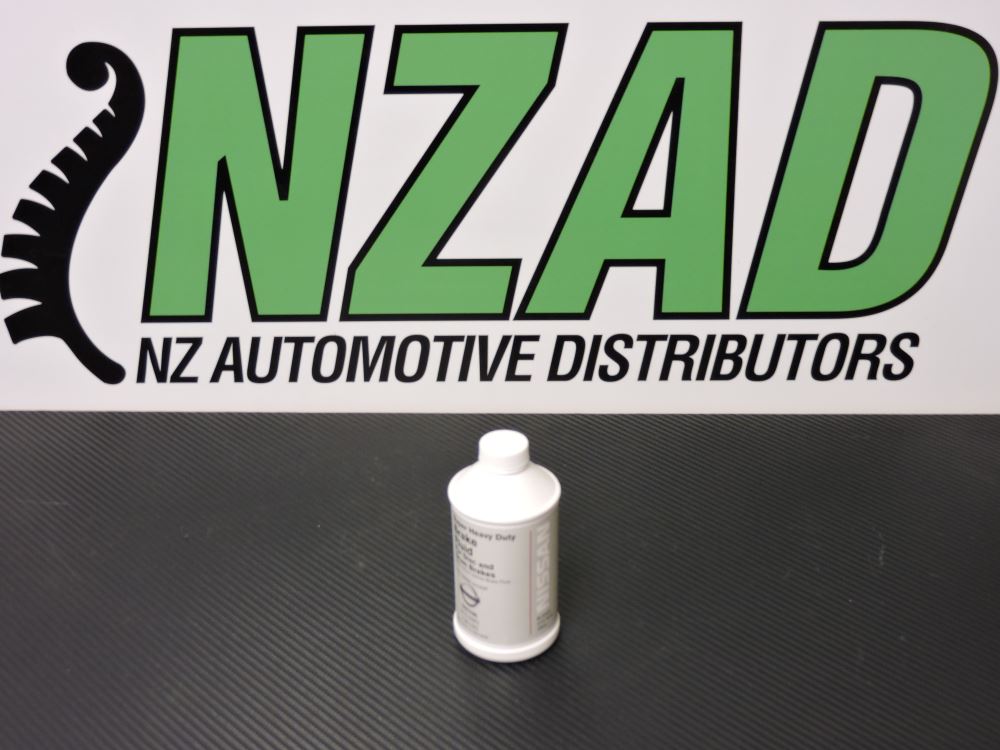
When it comes to vehicle maintenance, the brake system is undoubtedly one of the most critical. Ensuring its optimal performance is paramount for safety and reliability. Among the various components that contribute to a well-functioning brake system, the brake fluid plays a vital role. Today, we'll delve into the specifics of Nissan Super Heavy Duty Brake Fluid, exploring its properties, benefits, and why it's a recommended choice for Nissan vehicles and beyond.
Understanding Brake Fluid and Its Importance
Before diving into the specifics of Nissan's offering, let's establish a fundamental understanding of brake fluid and its purpose. Brake fluid is a hydraulic fluid responsible for transferring the force you apply to the brake pedal to the brake calipers or wheel cylinders. This force then activates the brake pads or shoes, creating friction that slows down or stops your vehicle. Without a properly functioning brake fluid, the entire braking system is compromised.
Key properties of a good brake fluid include:
- High Boiling Point: This is arguably the most crucial characteristic. Brake fluid absorbs moisture over time, which lowers its boiling point. If the fluid boils under heavy braking conditions, vapor bubbles form (vapor lock), leading to a loss of braking power.
- Low Viscosity: The fluid needs to flow easily through the brake lines and components, even in cold temperatures.
- Compatibility: The fluid should be compatible with the materials used in the brake system, such as rubber seals and metal components, to prevent corrosion or degradation.
- Corrosion Resistance: A good brake fluid will help protect the brake system from rust and corrosion, extending its lifespan.
Nissan Super Heavy Duty Brake Fluid: An Overview
Nissan Super Heavy Duty Brake Fluid is specifically formulated to meet the demanding requirements of Nissan vehicles. It's designed to provide consistent and reliable braking performance under a wide range of driving conditions, including heavy-duty applications and extreme temperatures. It's crucial to understand that while it carries the Nissan name, the specific composition and properties are what truly matter, and these often exceed the minimum requirements for a standard brake fluid.
Key Features and Benefits
Several key features distinguish Nissan Super Heavy Duty Brake Fluid:
- High Boiling Point: One of the primary selling points is its high boiling point. This superior resistance to boiling helps prevent vapor lock, ensuring consistent braking performance, even under strenuous conditions like towing or frequent hard braking. While the exact dry and wet boiling points should be verified on the product container, it generally exceeds industry standards for DOT 3 or DOT 4 fluids.
- Corrosion Protection: The fluid is formulated with inhibitors that protect the brake system from rust and corrosion, extending the life of brake lines, calipers, and other components. This is especially important in regions with harsh weather conditions or where road salt is used.
- Compatibility: Nissan Super Heavy Duty Brake Fluid is designed to be fully compatible with all Nissan brake system components, ensuring optimal performance and preventing damage caused by incompatible fluids. While it's designed for Nissan vehicles, it's generally safe to use in other vehicles that require a DOT 3 or DOT 4 brake fluid (always consult your vehicle's owner's manual).
- Enhanced Performance: The fluid is engineered to deliver consistent braking performance across a wide range of temperatures, providing reliable stopping power in both hot and cold climates.
Why Choose Nissan Super Heavy Duty Brake Fluid?
While various brake fluids are available on the market, choosing Nissan Super Heavy Duty Brake Fluid offers several advantages:
- Optimal Performance in Nissan Vehicles: It's specifically engineered to meet the unique requirements of Nissan brake systems, ensuring optimal performance and longevity. Using a fluid specifically designed for your vehicle reduces the risk of compatibility issues and potential damage.
- Reliability and Safety: The high boiling point and corrosion protection properties contribute to a more reliable and safer braking system. Consistent braking performance, especially in challenging conditions, is critical for accident prevention.
- Peace of Mind: Using a genuine Nissan product gives you peace of mind, knowing that you're using a fluid that has been rigorously tested and approved for use in your vehicle.
DOT 3 vs. DOT 4: Understanding the Differences
Brake fluids are categorized by the Department of Transportation (DOT) into different classifications, primarily DOT 3, DOT 4, and DOT 5. Nissan Super Heavy Duty Brake Fluid is often a DOT 4 fluid, although it's essential to check the specific product details.
Here's a simplified breakdown of the key differences:
- DOT 3: Glycol-based fluid with a lower boiling point compared to DOT 4. It's commonly used in older vehicles and those with less demanding braking systems.
- DOT 4: Glycol-based fluid with a higher boiling point than DOT 3. It's often recommended for vehicles with ABS (Anti-lock Braking System) and those subjected to more demanding driving conditions. DOT 4 fluids often contain borate esters, which improve boiling point and reduce moisture absorption (although not entirely preventing it).
- DOT 5: Silicone-based fluid with a very high boiling point and doesn't absorb moisture. However, it's not compatible with ABS systems and requires a complete system flush when switching from glycol-based fluids. DOT 5 is generally used in classic cars or specialized applications.
- DOT 5.1: Glycol-based fluid similar to DOT 4 but with an even higher boiling point. Compatible with ABS systems.
Important Note: Never mix DOT 5 with DOT 3, DOT 4, or DOT 5.1. Mixing these fluids can cause serious damage to the brake system. When in doubt, consult your vehicle's owner's manual or a qualified mechanic.
How to Check and Change Brake Fluid
Regularly checking and changing your brake fluid is essential for maintaining a healthy brake system.
Checking Brake Fluid Level and Condition
- Locate the Brake Fluid Reservoir: It's typically a translucent plastic reservoir located under the hood, often near the master cylinder. The cap is usually marked with a brake symbol.
- Check the Fluid Level: The reservoir has "MIN" and "MAX" lines. The fluid level should be between these lines. If it's below the "MIN" line, add brake fluid of the correct type.
- Inspect the Fluid Condition: Brake fluid should be clear or slightly amber in color. If it's dark, murky, or contains particles, it needs to be changed. You can also use brake fluid test strips to check for copper content, which indicates corrosion within the system.
Changing Brake Fluid
Changing brake fluid is a more involved process and is often best left to a qualified mechanic. However, if you're comfortable working on your car and have the necessary tools and knowledge, you can do it yourself.
Here's a general overview of the process:
- Gather Your Supplies: You'll need the correct type of brake fluid (Nissan Super Heavy Duty Brake Fluid or the equivalent specified in your owner's manual), a wrench to open the bleeder screws on the calipers, a clear hose, a container to collect the old fluid, and potentially a brake bleeder kit.
- Bleed the Brakes: Starting with the wheel furthest from the master cylinder (usually the rear passenger side), attach the hose to the bleeder screw and submerge the other end in the container.
- Have a Helper Pump the Brakes: Have someone slowly pump the brake pedal several times, then hold it down.
- Open the Bleeder Screw: While the pedal is held down, open the bleeder screw slightly. Old fluid will flow out. Close the bleeder screw before your helper releases the brake pedal.
- Repeat the Process: Repeat steps 3 and 4 until clear, new fluid flows out of the bleeder screw.
- Repeat for Each Wheel: Repeat the process for each wheel, working your way closer to the master cylinder.
- Check the Fluid Level: Regularly check the brake fluid level in the reservoir during the bleeding process and add fluid as needed to prevent air from entering the system.
Important Note: If air enters the brake lines, you'll need to bleed the brakes thoroughly to remove the air. This can be a tricky process, so it's best to consult a mechanic if you're unsure.
Common Questions About Nissan Super Heavy Duty Brake Fluid
"Can I use Nissan Super Heavy Duty Brake Fluid in other car brands?"
Generally, yes, if your vehicle's owner's manual specifies a DOT 3 or DOT 4 brake fluid. Always check the specifications and ensure compatibility. However, for optimal performance, using the fluid recommended by the manufacturer is always the best practice.
"How often should I change my brake fluid?"
Nissan typically recommends changing brake fluid every 30,000 miles or every two years, whichever comes first. However, check your owner's manual for the specific recommendations for your vehicle. Factors like driving conditions and climate can also influence the frequency of brake fluid changes.
"What happens if I don't change my brake fluid?"
If you don't change your brake fluid regularly, it can become contaminated with moisture and debris, leading to corrosion, reduced braking performance, and potential brake failure. Neglecting brake fluid changes can also damage other brake system components, resulting in costly repairs.
Conclusion
Maintaining a healthy brake system is paramount for safety and vehicle longevity. Nissan Super Heavy Duty Brake Fluid offers a reliable and effective solution for ensuring optimal braking performance in Nissan vehicles and potentially other makes requiring DOT 3 or DOT 4 fluid. By understanding the importance of brake fluid, choosing the right type, and following recommended maintenance schedules, you can ensure a safe and enjoyable driving experience. Always consult your vehicle's owner's manual and a qualified mechanic for specific recommendations and maintenance procedures.