
Nissan Titan Check Engine Light Codes
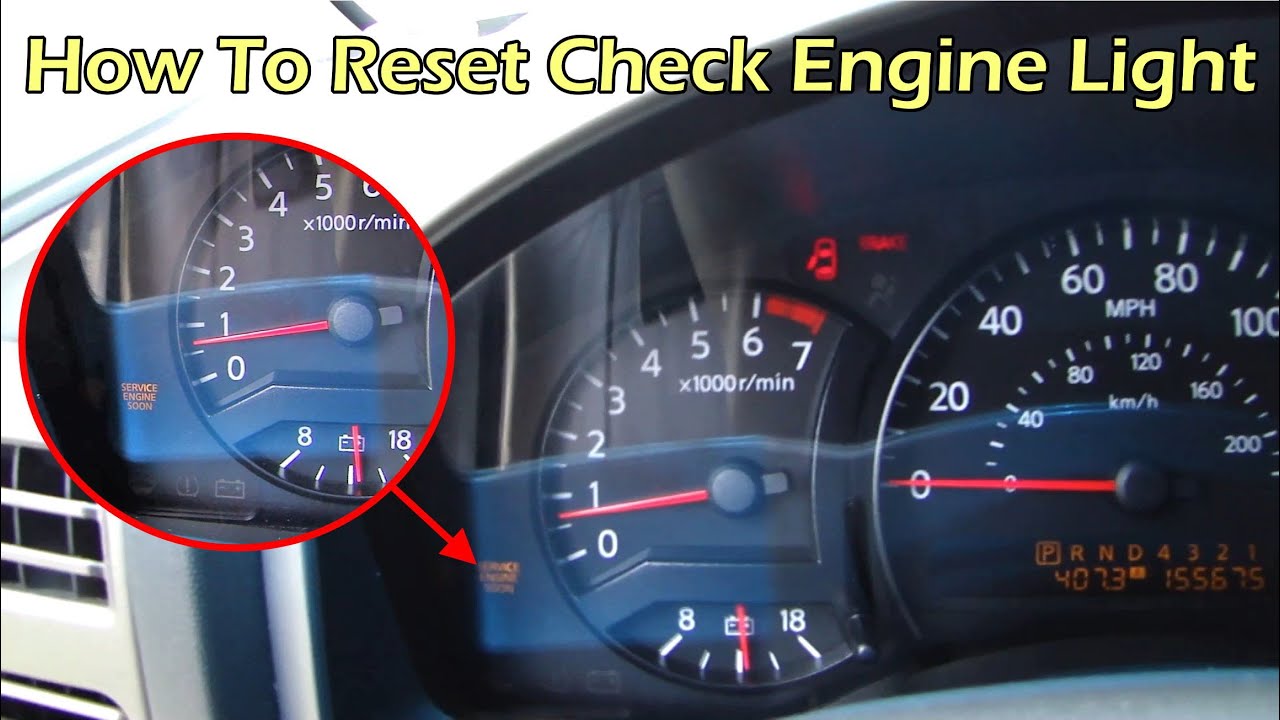
The dreaded Check Engine Light (CEL), also known as the Malfunction Indicator Lamp (MIL), is a signal no Nissan Titan owner wants to see illuminate their dashboard. While often dismissed as a vague indicator of something amiss, the CEL is a critical component of your truck's onboard diagnostics (OBD) system. It's your Titan's way of communicating that one or more of its monitored systems are operating outside of acceptable parameters. Understanding the codes that trigger this light can empower you to diagnose problems, potentially saving time and money on costly repairs.
Understanding OBD-II and Diagnostic Trouble Codes (DTCs)
Modern vehicles, including the Nissan Titan, utilize the OBD-II system, a standardized protocol for monitoring and reporting vehicle performance. When a sensor detects a fault, the engine control unit (ECU), often referred to as the powertrain control module (PCM), stores a Diagnostic Trouble Code (DTC) in its memory. This DTC is a five-character alphanumeric code that provides information about the nature of the problem.
These codes are generally formatted as follows:
- The first character indicates the general area of the system:
- P: Powertrain (engine, transmission, etc.)
- B: Body (interior and exterior electronics)
- C: Chassis (brakes, suspension, etc.)
- U: Network Communication
- The second character indicates whether the code is standardized (generic) or manufacturer-specific:
- 0: Generic (SAE) code, applicable to all OBD-II compliant vehicles.
- 1, 2, or 3: Manufacturer-specific code, unique to Nissan in this case.
- The third character indicates the specific system related to the fault:
- 0: Fuel and Air Metering and Auxiliary Emission Controls
- 1: Fuel and Air Metering
- 2: Fuel and Air Metering (Injector Circuit)
- 3: Ignition System or Misfire
- 4: Auxiliary Emission Controls
- 5: Vehicle Speed Controls and Idle Control System
- 6: Computer Output Circuit
- 7: Transmission
- 8: Transmission
- 9: (SAE Reserved - May be Manufacturer Specific)
- The fourth and fifth characters provide further detail about the specific fault within the system. These are hexadecimal digits (0-9 and A-F).
Common Nissan Titan Check Engine Light Codes
While hundreds of potential DTCs exist, some are more common in Nissan Titans than others. Understanding these frequently encountered codes can help you narrow down the possible causes of your CEL.
Powertrain Codes (P Codes)
- P0300-P0308 (Random/Cylinder Misfire Detected): These codes indicate that the engine is experiencing misfires, meaning one or more cylinders are not firing correctly. Possible causes include faulty spark plugs, ignition coils, fuel injectors, vacuum leaks, low compression, or a malfunctioning catalytic converter.
- P0171 (System Too Lean (Bank 1)) and P0174 (System Too Lean (Bank 2)): These codes suggest that the engine is receiving too little fuel or too much air. Potential culprits include vacuum leaks, a faulty mass airflow (MAF) sensor, a failing oxygen (O2) sensor, a clogged fuel filter, or a weak fuel pump. Bank 1 refers to the side of the engine containing cylinder #1; Bank 2 is the opposite side.
- P0420 (Catalyst System Efficiency Below Threshold (Bank 1)) and P0430 (Catalyst System Efficiency Below Threshold (Bank 2)): These codes indicate that the catalytic converter is not functioning efficiently. This could be due to a failing catalytic converter, exhaust leaks, or problems with the O2 sensors.
- P0440 (Evaporative Emission Control System Malfunction) and Related P044x Codes: These codes relate to the evaporative emission control (EVAP) system, which prevents fuel vapors from escaping into the atmosphere. Common causes include a loose or missing gas cap, a faulty EVAP purge valve, a leak in the EVAP system hoses, or a malfunctioning charcoal canister.
- P0011 (A Camshaft Position - Timing Over-Advanced or System Performance (Bank 1)) and P0021 (A Camshaft Position - Timing Over-Advanced or System Performance (Bank 2)): These codes point to issues with the variable valve timing (VVT) system. Problems can stem from a faulty camshaft position sensor, a malfunctioning VVT solenoid, or low oil pressure.
Transmission Codes (P07xx Codes)
While less common than engine-related codes, transmission DTCs can also trigger the CEL.
- P0740 (Torque Converter Clutch Circuit Malfunction): This code indicates a problem with the torque converter clutch circuit, which is responsible for locking the torque converter at highway speeds for improved fuel economy. Possible causes include a faulty torque converter clutch solenoid, wiring issues, or a failing torque converter.
- P0730 (Incorrect Gear Ratio): This code suggests that the transmission is not shifting properly. This could be caused by low transmission fluid, a faulty shift solenoid, or internal transmission damage.
Diagnosing and Troubleshooting DTCs
Once you've retrieved the DTC, the real work begins: diagnosing the underlying problem. Here's a systematic approach:
- Retrieve the DTC(s): Use an OBD-II scanner to read the codes stored in the ECU. Many auto parts stores offer free code scanning as a service. Note down all codes, including any freeze frame data, which provides a snapshot of engine conditions when the code was triggered.
- Research the Code(s): Use reputable online resources (like automotive forums dedicated to Nissan Titans, repair databases, or professional diagnostic websites) to learn more about the specific DTC. Understand the common causes, symptoms, and potential solutions.
- Visual Inspection: Carefully inspect the components related to the code. Look for obvious signs of damage, such as frayed wires, cracked hoses, loose connections, or fluid leaks. Pay particular attention to vacuum lines, electrical connectors, and sensors.
- Testing and Component Verification: Use a multimeter or other diagnostic tools to test the functionality of relevant sensors and components. For example, you can test the resistance of a spark plug or the voltage output of an O2 sensor. Refer to your Titan's service manual for specific testing procedures and specifications.
- Address Common Issues First: Start with the easiest and most common fixes. For example, if you have a P0440 code, check your gas cap first. Ensure it's properly tightened and not damaged.
- Clear the Code and Retest: After making a repair, clear the DTC using the OBD-II scanner. Drive the vehicle under conditions that previously triggered the code to see if it returns. If the code reappears, further diagnosis is required.
Tools for Diagnosing Nissan Titan Check Engine Light Codes
Having the right tools can significantly simplify the diagnostic process:
- OBD-II Scanner: Essential for reading and clearing DTCs. Basic scanners are inexpensive and provide code definitions. More advanced scanners offer features like live data streaming and freeze frame data analysis.
- Multimeter: Used for testing electrical circuits, sensors, and components.
- Vacuum Gauge: Helpful for diagnosing vacuum leaks.
- Scan Tool with Live Data: Allows you to monitor real-time sensor data, which can be invaluable for identifying intermittent problems.
- Nissan Titan Service Manual: Provides detailed information on vehicle systems, testing procedures, and wiring diagrams.
When to Seek Professional Help
While many CEL issues can be resolved with basic troubleshooting, some problems require specialized knowledge and equipment. Consider seeking professional help from a qualified mechanic if:
- You are uncomfortable working on your vehicle.
- You lack the necessary tools or equipment.
- You are unable to diagnose the problem after thorough troubleshooting.
- The code indicates a complex or potentially serious issue, such as engine or transmission problems.
- The problem affects the vehicle's drivability or safety.
Ignoring a Check Engine Light can lead to more severe and expensive repairs down the road. By understanding the basics of OBD-II codes and employing a systematic diagnostic approach, you can empower yourself to identify and address many common issues, keeping your Nissan Titan running smoothly for years to come. Remember to always consult your vehicle's service manual and exercise caution when working on your vehicle.