
Nissan Titan Heater Control Valve Clicking
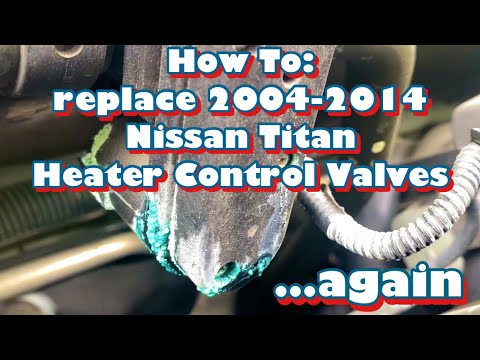
So, you're hearing a clicking sound coming from your Nissan Titan, specifically near the heater controls or under the dashboard, and you suspect it might be the heater control valve? You're not alone. This is a fairly common issue with the Nissan Titan, especially as they age, and luckily, it's usually a manageable fix. This article will guide you through understanding the problem, potential causes, and how to get it resolved.
Understanding the Heater Control Valve and its Role
First, let's quickly cover what the heater control valve does. Its primary function is to regulate the flow of hot coolant from the engine to the heater core, which is essentially a small radiator located inside your dashboard. When you turn up the heat, the valve opens, allowing hot coolant to flow, warming the air blown into the cabin. When you select cool air, the valve closes, stopping the flow and preventing the heater core from heating the air.
A malfunctioning heater control valve can cause a variety of problems, including:
- No Heat or Inconsistent Heat: If the valve is stuck closed or partially closed, you might not get any heat or only get lukewarm air.
- Constant Heat: If the valve is stuck open, you might have heat blowing even when you have the A/C turned on.
- Clicking Noise: This is the symptom we're addressing here. The clicking usually indicates the valve's actuator motor is struggling or failing.
The Annoying Clicking: Why is it Happening?
The clicking noise you hear is typically caused by the small electric motor (actuator) that controls the heater control valve. Inside this actuator, there are plastic gears that are prone to wear and tear. When these gears strip or break, the motor continues to try to move the valve, resulting in a repetitive clicking sound as the gears slip. This often happens because the valve itself is becoming stiff or partially blocked, placing excessive strain on the actuator.
Here's a breakdown of the most likely causes:
- Worn or Stripped Actuator Gears: The most common culprit. The plastic gears inside the actuator are simply worn out and no longer able to properly move the valve.
- Sticking Heater Control Valve: Over time, the valve itself can become sticky or partially blocked due to corrosion or debris in the coolant system. This makes it harder for the actuator to move, leading to increased stress and gear failure.
- Electrical Issues: Although less common, problems with the wiring or the control unit that sends signals to the actuator *could* be the cause. A faulty signal could cause the actuator to cycle repeatedly.
Diagnosing the Clicking Heater Control Valve
While the clicking sound is a strong indicator, a proper diagnosis is always a good idea to confirm the issue before replacing any parts. Here's how you can approach it:
- Locate the Heater Control Valve: The heater control valve is usually located under the hood, typically near the firewall (the metal panel separating the engine compartment from the passenger cabin). Consult your Nissan Titan's service manual or search online for diagrams specific to your model year to pinpoint its exact location.
- Listen Carefully: With the engine running and the heater turned on and off, listen carefully to the clicking sound. Confirm it's coming from the vicinity of the heater control valve. Have someone adjust the temperature setting while you listen. The clicking should change or stop when the setting is stable.
- Visual Inspection: Inspect the heater control valve and its connections. Look for any signs of coolant leaks, corrosion, or damage to the wiring.
- Test the Actuator (If Possible): Some advanced DIYers might try to test the actuator motor directly with a multimeter. However, this requires some electrical knowledge and carries a risk of damaging the electrical system. It’s generally safer to leave this to a professional.
- Check for Coolant Flow: After the engine has warmed up, carefully (use gloves!) feel the heater hoses going to and from the heater core. One hose should be hot (going *to* the heater core), and the other should be warm or cooler (coming *from* the heater core) when the heat is on. If both are cold, the valve might be stuck closed. If both are very hot even when the heat is off, the valve may be stuck open.
The Solution: Replacing the Heater Control Valve
In most cases, the best solution is to replace the entire heater control valve assembly, including the actuator. This ensures that you're addressing both the faulty actuator and any potential issues with the valve itself. Here's a general overview of the replacement process:
Tools You'll Need:
- Socket set with various sizes
- Wrenches
- Screwdrivers (Phillips and flathead)
- Pliers
- Drain pan
- New heater control valve assembly
- New coolant (compatible with your Nissan Titan)
- Distilled water
- Gloves
- Safety Glasses
- Optional: Coolant funnel kit (for burping the system)
Replacement Steps (General Guide):
- Safety First: Let the engine cool down completely before starting. Disconnect the negative battery cable to prevent any electrical accidents.
- Drain the Coolant: Locate the drain cock (usually on the bottom of the radiator) and drain the coolant into a drain pan. Dispose of the used coolant properly (it's toxic!).
- Disconnect Hoses: Carefully disconnect the heater hoses from the heater control valve. Be prepared for some residual coolant to spill. Use pliers if necessary to loosen hose clamps.
- Disconnect Electrical Connector: Unplug the electrical connector from the heater control valve actuator.
- Remove the Old Valve: Remove any bolts or screws that secure the heater control valve to the vehicle. Carefully remove the old valve.
- Install the New Valve: Install the new heater control valve in the reverse order of removal. Make sure all connections are secure.
- Reconnect Hoses and Electrical Connector: Reattach the heater hoses and the electrical connector.
- Refill the Coolant: Refill the cooling system with the correct type of coolant, mixed with distilled water according to the manufacturer's recommendations.
- Burp the Cooling System: After refilling, it's crucial to "burp" the cooling system to remove any air pockets. This can be done by running the engine with the radiator cap off (or using a coolant funnel kit) and letting any trapped air escape. Monitor the coolant level and add more coolant as needed.
- Test the System: Once the engine is warmed up, check for leaks and verify that the heater is working correctly.
Important Considerations:
- This is a general guide; consult your Nissan Titan's service manual for specific instructions and torque specifications.
- If you're not comfortable working on your vehicle's cooling system, it's best to have a professional mechanic perform the replacement.
- Always use the correct type of coolant for your Nissan Titan. Using the wrong coolant can damage the cooling system.
Cost Considerations
The cost to replace the heater control valve on a Nissan Titan will vary depending on factors such as the year and model of your vehicle, the brand of the replacement part, and whether you do the work yourself or have a professional mechanic do it.
- DIY: If you decide to tackle the job yourself, you'll need to purchase the heater control valve assembly and coolant. A decent quality replacement heater control valve can range from $50 to $150. Coolant typically costs around $20-$30 per gallon. So, you can expect to spend somewhere between $70 and $180 for parts.
- Professional Mechanic: If you take your Nissan Titan to a mechanic, you'll need to factor in labor costs in addition to the parts. Labor rates vary, but you can typically expect to pay between $150 and $300 for labor. Therefore, the total cost could range from $220 to $480. These are estimates, it's always best to get a written quote from a local repair shop.
Preventing Future Problems
Here are a few tips to help prevent future heater control valve problems:
- Regular Coolant Flushes: Follow your Nissan Titan's recommended maintenance schedule for coolant flushes. This helps to remove debris and prevent corrosion that can clog the valve.
- Use the Correct Coolant: As mentioned earlier, using the correct type of coolant is crucial for the health of your cooling system.
- Address Leaks Promptly: If you notice any coolant leaks, address them immediately to prevent further damage.
When to Seek Professional Help
While replacing the heater control valve is a manageable task for some DIYers, there are situations where it's best to seek professional help:
- You're Not Comfortable: If you're not comfortable working on your vehicle's cooling system or have limited mechanical experience, it's best to leave the job to a professional.
- You Suspect Other Issues: If you suspect that the clicking noise might be caused by something other than the heater control valve, such as an electrical problem, it's best to have a qualified mechanic diagnose the issue.
- You Encounter Problems: If you start the replacement process and encounter problems, don't hesitate to seek professional help.
In conclusion, a clicking heater control valve on your Nissan Titan is a common issue that can usually be resolved by replacing the valve assembly. By understanding the problem, following the steps outlined in this article, and knowing when to seek professional help, you can get your heater working properly again and enjoy a comfortable ride.