
Nissan Titan Transmission Replacement Cost
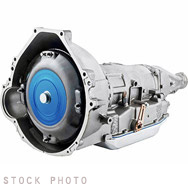
Replacing the transmission in your Nissan Titan is a significant undertaking, but one that's sometimes necessary. Understanding the costs involved before you start tearing things apart is crucial for planning your budget and deciding whether it's a job you want to tackle yourself or outsource to a professional mechanic. This article will break down the various factors influencing Nissan Titan transmission replacement cost, providing you with the knowledge to make an informed decision.
Understanding Transmission Types and Their Impact on Cost
The Nissan Titan, across its various model years, has primarily utilized automatic transmissions. However, the specific type of automatic transmission can influence the replacement cost. Early Titans (2004-2015) often featured a 5-speed automatic, while later models (2016 onward) typically use a 7-speed or 9-speed automatic, depending on the engine and trim level. The complexity of the transmission directly affects its price.
A 5-speed automatic, being a simpler design, will generally be less expensive to replace than a 7- or 9-speed. These newer transmissions incorporate more sophisticated electronic controls and internal components, driving up both the cost of the unit itself and the labor required for installation.
The most common Titan transmission is an automatic. However, some aftermarket modifications, although extremely rare, might involve swapping in a manual transmission. This conversion would involve a significant increase in cost due to needing custom parts, a new clutch system, custom driveshaft, and extensive modifications to the vehicle's body and electronics. We will focus on automatic transmissions in this article because they're far more common.
Factors Influencing Transmission Replacement Cost
Several key factors contribute to the overall cost of replacing your Titan's transmission. Let's examine these in detail:
1. Transmission Source: New, Remanufactured, or Used
This is the biggest cost driver. You have three primary options:
- New Transmission: This is the most expensive option, but it offers the greatest peace of mind. A brand-new transmission from Nissan or a reputable aftermarket supplier will come with a warranty and should provide years of reliable service. Expect to pay a premium for this level of assurance.
- Remanufactured Transmission: Remanufactured transmissions are units that have been professionally rebuilt to meet or exceed OEM specifications. They typically involve replacing worn or damaged parts with new components and thoroughly testing the unit before it's sold. Remanufactured transmissions offer a good balance between cost and reliability. They also typically come with a warranty.
- Used Transmission: This is the least expensive option upfront, but it's also the riskiest. Used transmissions are salvaged from wrecked or salvaged vehicles. Their condition is often unknown, and there's no guarantee of how long they will last. While a used transmission might seem appealing due to its low price, it's often a gamble that could end up costing you more in the long run if it fails prematurely. Carefully consider the mileage and warranty (if any) of a used unit.
2. Labor Costs
Labor costs can vary significantly depending on your location and the hourly rate of the mechanic. Transmission replacement is a labor-intensive job that requires specialized tools and expertise. The shop will need to disconnect all necessary electrical and mechanical connections, detach the driveshaft, remove exhaust components (possibly), disconnect shift linkages, and properly support the engine during the process. A skilled technician is crucial for ensuring the job is done correctly and to avoid damaging other components.
The book time for transmission replacement on a Nissan Titan typically ranges from 8 to 12 hours, but this can vary based on the model year, engine, and any unforeseen complications that arise during the process. Always get a detailed estimate from the mechanic outlining the expected labor hours and hourly rate.
3. Additional Parts and Fluids
In addition to the transmission itself, you'll likely need to replace several other parts during the process. These can include:
- Transmission Fluid: Use the correct type of transmission fluid specified for your Nissan Titan. Consult your owner's manual or a trusted mechanic for the proper fluid type.
- Transmission Filter: Replacing the transmission filter is essential for maintaining proper fluid flow and preventing contaminants from damaging the new transmission.
- Seals and Gaskets: Replace any seals and gaskets that are removed or damaged during the replacement process to prevent leaks.
- Mounts: Inspect the transmission mounts for wear or damage and replace them if necessary. Worn mounts can cause vibrations and premature wear on the transmission.
- Cooler Lines: Check the transmission cooler lines for leaks or damage and replace them if necessary.
- Possible Exhaust Components: Depending on your Titan's configuration, certain exhaust components might need to be removed to access the transmission. Gaskets and hardware for these components may need to be replaced.
- Diagnostic Scan: After replacing the transmission, a diagnostic scan is recommended to check for any error codes and ensure the transmission is functioning properly.
4. Location and Shop Rates
Labor rates vary considerably based on your geographic location. Major metropolitan areas tend to have higher labor rates than rural areas. Similarly, dealerships typically charge more than independent repair shops due to their higher overhead costs. Gather estimates from multiple shops in your area to compare prices and services.
5. 4x4 vs 2x4
The transmission cost will vary slightly depending on whether your Titan is a 2x4 or a 4x4. 4x4 transmissions tend to be more expensive due to their added complexity.
Estimating the Total Cost
Putting all these factors together, here's a general estimate of the transmission replacement cost for a Nissan Titan:
- Used Transmission: $800 - $2000 (plus labor)
- Remanufactured Transmission: $2500 - $4500 (plus labor)
- New Transmission: $4000 - $7000 (plus labor)
- Labor: $800 - $1600 (depending on the shop rate and complexity)
- Additional Parts and Fluids: $200 - $500
Therefore, the total cost of a Nissan Titan transmission replacement can range from approximately $1800 to $9100, depending on the choices you make.
DIY vs. Professional Installation
If you're an experienced DIY mechanic with the necessary tools and expertise, you might consider replacing the transmission yourself. This can save you a significant amount of money on labor costs. However, it's a complex and demanding job that requires careful attention to detail.
Before attempting a DIY transmission replacement, be honest with yourself about your skill level and experience. You'll need a well-equipped garage, a transmission jack, a comprehensive repair manual, and the ability to safely lift and support the vehicle. Incorrect installation can lead to serious damage to the transmission or other components.
If you're not comfortable with any aspect of the process, it's best to leave the job to a professional. A qualified mechanic will have the necessary tools, experience, and training to ensure the job is done correctly and safely.
Preventative Maintenance to Extend Transmission Life
While eventual replacement might be unavoidable, regular maintenance can significantly extend the life of your Titan's transmission. Here are some key preventative measures:
- Regular Fluid Changes: Follow the manufacturer's recommended maintenance schedule for transmission fluid changes. Using the correct fluid type is critical.
- Avoid Hard Driving: Aggressive acceleration and frequent towing can put extra strain on the transmission.
- Inspect for Leaks: Regularly check for any signs of transmission fluid leaks. Address leaks promptly to prevent fluid loss and potential damage.
- Proper Towing Practices: If you tow frequently, ensure you're using the correct towing equipment and following the manufacturer's recommendations. Consider adding a transmission cooler to help prevent overheating.
Conclusion
Replacing the transmission in your Nissan Titan is a costly but necessary repair. By understanding the factors that influence the cost and carefully considering your options, you can make an informed decision that fits your budget and needs. Whether you choose to tackle the job yourself or entrust it to a professional, be sure to prioritize quality and reliability to ensure a long-lasting and trouble-free repair. Remember to factor in the Total Cost of Ownership (TCO), considering not just the initial repair but also the potential for future issues if you cut corners. Investing in a quality replacement and proper maintenance will pay off in the long run.