
Nissan Titan Windows Go Down By Themselves
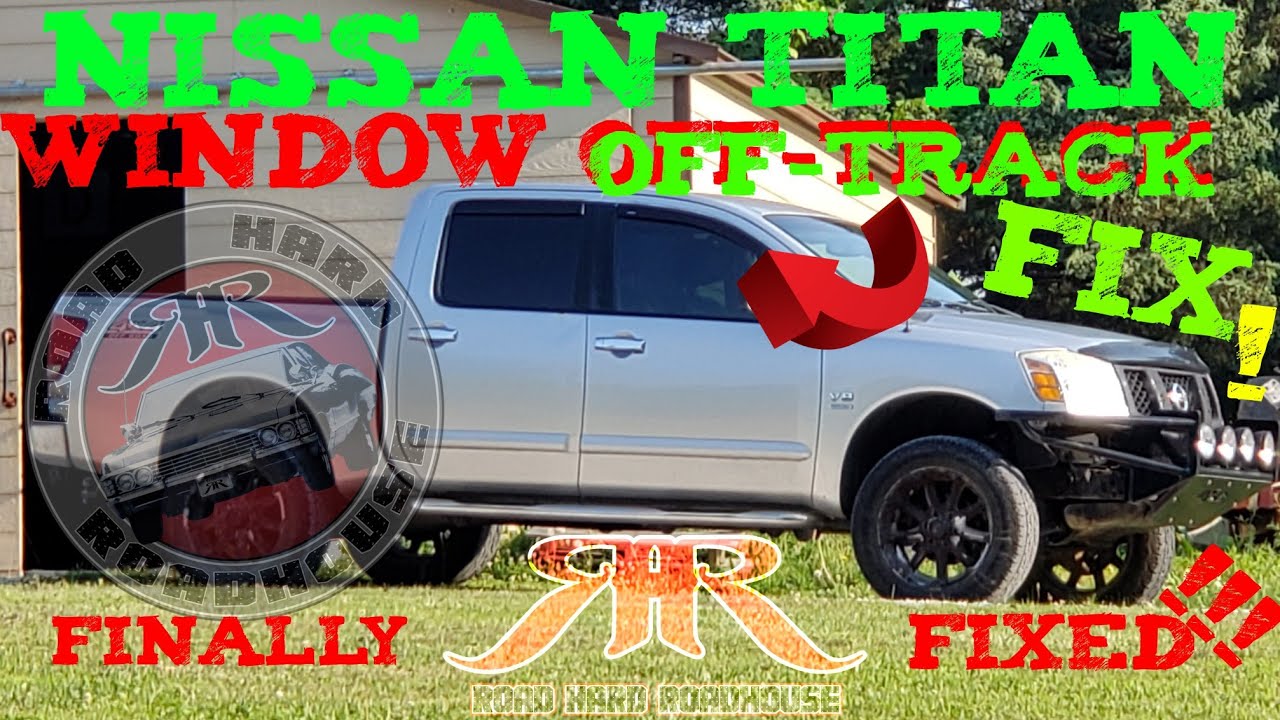
The phantom window operation – a car owner's nightmare. Imagine parking your Nissan Titan, windows up, only to return and find them mysteriously lowered, potentially exposing your vehicle to the elements and theft. This isn't some urban legend; it's a relatively common issue, and while frustrating, understanding the underlying causes can empower you to troubleshoot the problem effectively. This article delves into the potential culprits behind this electronic gremlin, focusing on the Nissan Titan's specific systems and offering a technical perspective on how to diagnose and potentially resolve the issue.
Understanding the Window Control System
Before diving into specific problems, it's crucial to grasp the basics of how your Titan's power windows operate. Modern vehicles utilize a network of components, all interconnected and communicating to execute commands. The core elements include:
- Window Switch Assemblies: These are the physical buttons you press to raise or lower the windows. Each switch sends a signal to the body control module (BCM).
- Body Control Module (BCM): The BCM is the central control unit for many of the vehicle's electrical functions, including power windows, door locks, and lighting. It receives signals from the window switches and translates them into instructions for the window motors.
- Window Motors: These are small electric motors located within each door. They physically drive the window regulator mechanism to raise or lower the glass.
- Window Regulators: The regulator is a mechanical assembly that translates the rotational motion of the motor into linear movement of the window glass.
- Wiring Harness and Connectors: These provide the electrical pathways for signals and power to travel between the various components.
- Fuses and Relays: These protect the system from overloads and act as switches controlled by the BCM to supply power to the window motors.
The system operates as follows: you press a window switch. This sends a low-voltage signal to the BCM. The BCM, based on the switch position, activates a relay which then supplies power to the corresponding window motor. The motor then turns the window regulator, moving the window glass. Feedback signals might be sent back to the BCM to indicate window position and prevent over-travel.
Common Causes of Spontaneous Window Lowering
Several factors can contribute to windows lowering on their own. Here's a breakdown of the most likely culprits:
1. Faulty Window Switch
This is one of the most common causes. A malfunctioning switch can send spurious signals to the BCM, tricking it into thinking the window-down command is being given. The switch contacts might become corroded, dirty, or physically damaged. Short circuits within the switch assembly can also trigger unintended activation.
Diagnosis: Testing the switch involves using a multimeter to check for proper resistance and voltage output when the switch is activated and deactivated. A faulty switch will often exhibit erratic readings or fail to make proper contact. You can also try swapping switches between different windows (if the design allows) to see if the problem moves with the switch.
Remedy: Replacing the faulty switch is the most reliable solution. Clean the connector and inspect the wiring harness for any damage before installing the new switch.
2. Wiring Harness Issues
The wiring harness that connects the window switches, BCM, and window motors is susceptible to damage over time. Constant flexing, especially in the door jamb area, can cause wires to break or short. Corrosion due to moisture intrusion can also compromise the integrity of the wiring. A short circuit in the wiring can mimic the signal from a window switch, causing the window to lower unexpectedly.
Diagnosis: Visually inspect the wiring harness, paying close attention to areas where the harness flexes or is exposed to the elements. Look for frayed wires, cracked insulation, and corroded connectors. Use a multimeter to check for continuity and shorts to ground. A wiring diagram is essential for accurately tracing the circuits.
Remedy: Repairing damaged wiring involves splicing in new sections of wire, replacing corroded connectors, and properly insulating the repairs. If the damage is extensive, replacing the entire wiring harness section might be necessary.
3. Body Control Module (BCM) Malfunction
While less common than switch or wiring problems, a malfunctioning BCM can also cause erratic window behavior. Internal failures within the BCM can lead to spurious signals being sent to the window motors. This is often a result of age, voltage spikes, or internal component failure.
Diagnosis: Diagnosing a faulty BCM typically requires specialized diagnostic equipment, such as a scan tool capable of reading BCM fault codes and monitoring its inputs and outputs. A scan tool can often pinpoint specific failures within the BCM that are related to the window control circuits. Furthermore, checking the BCM's power and ground connections is crucial to rule out power supply issues.
Remedy: BCM replacement often requires reprogramming to match the vehicle's VIN and other specific configurations. This is typically best left to a qualified technician with the appropriate tools and expertise.
4. Water Intrusion
Water leaks inside the door can cause corrosion and short circuits in the window motor, regulator, switch, or wiring. Damaged door seals, clogged drain holes, or even a leaky window can all contribute to water intrusion.
Diagnosis: Carefully inspect the door interior for signs of water damage, such as rust, corrosion, or water stains. Check the door seals for cracks or damage and ensure that the door drain holes are clear.
Remedy: Address the source of the water leak by repairing or replacing damaged seals or clearing clogged drain holes. Clean and dry any affected electrical components and apply dielectric grease to protect them from further corrosion. In severe cases, replacing corroded components may be necessary.
5. Key Fob Programming (Accidental Activation)
Some Nissan Titan models have a feature where holding down the unlock button on the key fob for an extended period will lower all the windows. While this is a convenient feature, accidental activation can occur if the key fob is pressed while in a pocket or bag.
Diagnosis: This is often the easiest to diagnose. Simply try using the key fob to lower the windows intentionally. If it works, accidental activation is a likely cause.
Remedy: Be mindful of how you store your key fob to prevent accidental button presses. Consider disabling the window-down feature through the vehicle's settings (if available) or through a dealer-performed reprogramming.
6. Window Regulator Issues
While less likely to cause *spontaneous* lowering, a worn or damaged window regulator can sometimes contribute to the problem. If the regulator's gears or cables are damaged, the window might not be held securely in the fully raised position. Over time, vibrations and gravity could cause the window to slowly slip down.
Diagnosis: Inspect the window regulator mechanism for signs of wear, damage, or binding. Listen for unusual noises when operating the window. A regulator in poor condition might be stiff or jerky in its movement.
Remedy: Replacing the window regulator is the best solution for a worn or damaged unit. Ensure the replacement regulator is properly lubricated and installed according to the manufacturer's instructions.
Troubleshooting Steps
Here's a systematic approach to diagnosing the problem:
- Start with the Simple Things: Check the key fob for accidental activation. Ensure no items are pressing against the window switches.
- Inspect the Window Switches: Examine the switches for any signs of damage or corrosion. Try swapping switches to see if the problem moves.
- Check the Wiring Harness: Visually inspect the wiring harness for frayed wires, cracked insulation, and corroded connectors. Use a multimeter to check for continuity and shorts.
- Look for Water Intrusion: Inspect the door interior for signs of water damage. Check the door seals and drain holes.
- Scan for Fault Codes: Use a scan tool to check for any fault codes related to the window control system or the BCM.
- Consult a Professional: If you're unable to diagnose the problem yourself, seek the assistance of a qualified automotive technician.
Preventative Measures
While you can't completely eliminate the risk of spontaneous window lowering, taking preventative measures can help reduce the likelihood of the problem occurring:
- Regularly inspect your door seals and drain holes.
- Avoid slamming the doors excessively.
- Protect the wiring harness from damage.
- Avoid exposing the vehicle to excessive moisture.
- Address any water leaks promptly.
Ultimately, the spontaneous lowering of your Nissan Titan's windows can be a frustrating problem. However, with a basic understanding of the system and a systematic approach to troubleshooting, you can often identify the root cause and take steps to resolve the issue. Remember to prioritize safety and consult a qualified technician when necessary.
Disclaimer: This article provides general information and troubleshooting guidance. Specific repair procedures may vary depending on the model year and configuration of your Nissan Titan. Always refer to the vehicle's service manual for detailed instructions. Working on electrical systems can be dangerous. If you're not comfortable performing these tasks yourself, seek the assistance of a qualified automotive technician. Improper repairs can lead to further damage or injury.