
Nissan Titan Xd Egr Delete Kit
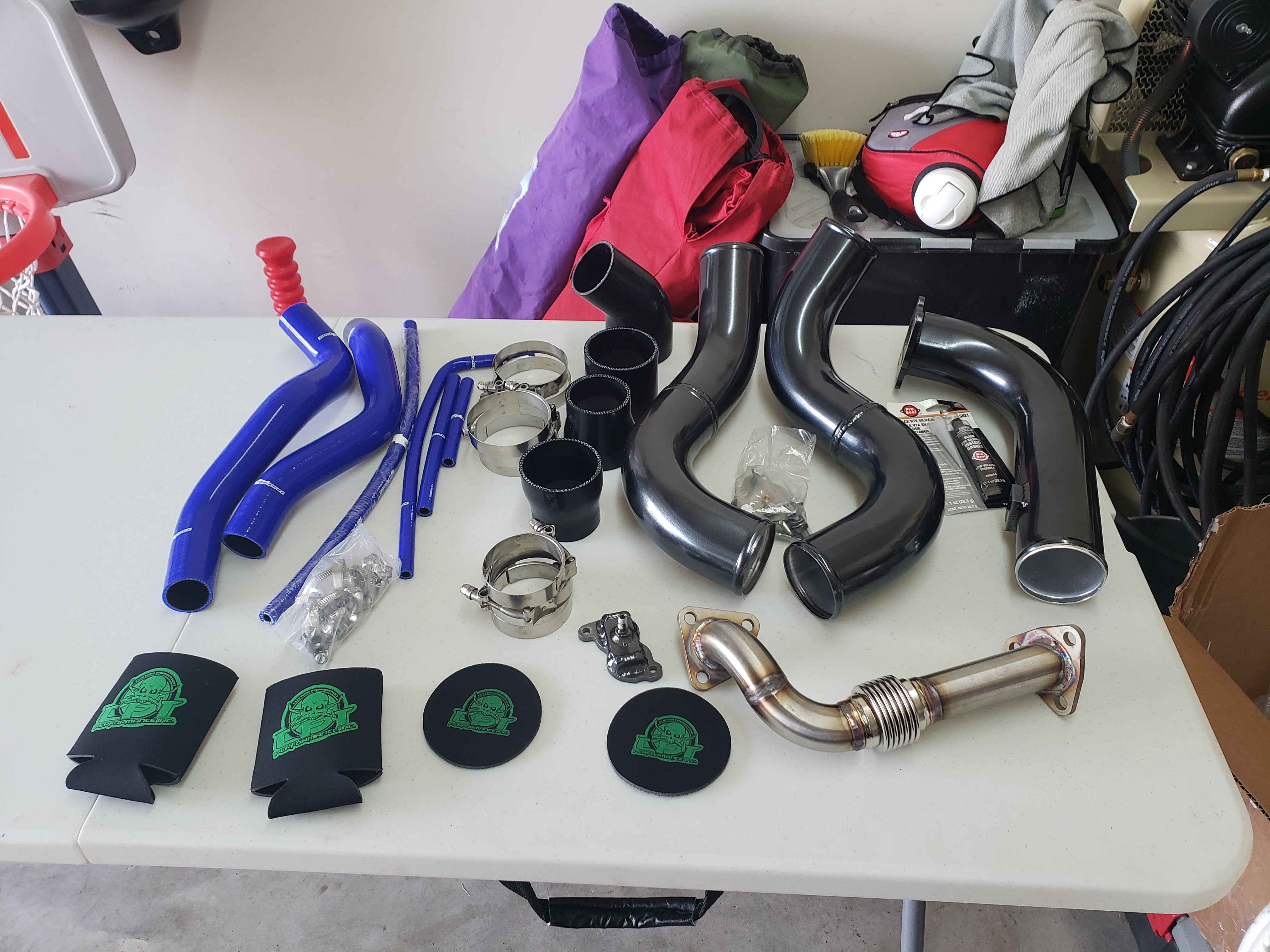
Alright, let's talk EGR delete kits for the Nissan Titan XD. This is a modification that's been getting a lot of attention, especially among those of you looking for more power and potentially better fuel economy. But before you jump in, it's crucial to understand what an EGR system is, how it works on your Titan XD, what an EGR delete entails, and the potential consequences – both legal and mechanical.
Understanding the EGR System
The EGR, or Exhaust Gas Recirculation, system is an emissions control device designed to reduce the formation of oxides of nitrogen (NOx). NOx are harmful pollutants that contribute to smog and acid rain. The EGR system works by recirculating a portion of the engine's exhaust gas back into the intake manifold. This dilutes the incoming air-fuel mixture, lowering the peak combustion temperature. Lower combustion temperatures reduce NOx formation.
Think of it this way: your engine is a furnace. The hotter the furnace burns, the more NOx it creates. The EGR system introduces 'used' air – exhaust – to cool down the burn and reduce those emissions. Simple enough, right?
On your Nissan Titan XD, specifically the diesel models, the EGR system is typically comprised of the following components:
- EGR Valve: A valve that controls the flow of exhaust gas into the intake manifold. This valve opens and closes based on signals from the engine control unit (ECU).
- EGR Cooler: A heat exchanger that cools the exhaust gas before it enters the intake manifold. This further reduces the temperature of the combustion process, improving NOx reduction.
- EGR Temperature Sensor: Monitors the temperature of the exhaust gas entering the intake.
- Differential Pressure Sensor: Measures the pressure difference across the EGR cooler to detect clogs or malfunctions.
- Vacuum Lines/Solenoids: Control the EGR valve actuation (on older systems). Newer systems use electronic actuators.
- ECU: The brain of the operation. The ECU monitors various sensors and controls the EGR valve based on engine operating conditions.
How the EGR System Works on a Diesel Engine
Diesel engines, like those in the Titan XD, generally run lean – meaning they have more air than fuel. This lean condition, combined with high compression ratios, leads to very high combustion temperatures and significant NOx production. The EGR system is especially crucial for controlling NOx in diesel engines.
During certain operating conditions, such as cruising or light acceleration, the ECU will open the EGR valve. Exhaust gas is then drawn into the intake manifold, mixing with the fresh air. This lowers the oxygen concentration in the cylinder and reduces the combustion temperature, thereby reducing NOx emissions.
What is an EGR Delete?
An EGR delete involves physically removing the EGR system components and blocking off the passages where exhaust gas would normally flow. This usually includes removing the EGR valve, EGR cooler, and associated plumbing. The goal is to prevent exhaust gas from recirculating into the intake manifold.
But simply removing the components isn't enough. The ECU is programmed to monitor the EGR system's performance. If it detects a malfunction or that the EGR system is not functioning as expected, it will trigger a check engine light (CEL) and potentially put the engine into a reduced power mode (limp mode).
Therefore, an EGR delete always requires some form of ECU tuning or reprogramming. The tuner will typically disable the EGR system's monitoring functions and recalibrate the engine parameters to compensate for the absence of exhaust gas recirculation.
Why People Consider EGR Deletes
There are several reasons why someone might consider an EGR delete, including:
- Increased Performance: Some believe that eliminating EGR improves engine performance. The theory is that recirculating exhaust gas dilutes the air-fuel mixture and reduces power. By eliminating EGR, you ensure that only fresh air enters the engine, theoretically leading to a more complete combustion and increased horsepower.
- Improved Fuel Economy: Similar to the performance argument, some claim that eliminating EGR can improve fuel economy. By ensuring a cleaner combustion process, the engine may operate more efficiently.
- Reduced Maintenance: EGR systems can be prone to clogging with carbon deposits, especially on diesel engines. This can lead to reduced EGR flow, poor engine performance, and costly repairs. Deleting the EGR system eliminates this maintenance concern.
- Prevention of Intake Clogging: Diesel engines are notorious for building up soot and sludge in the intake manifold, partly due to the EGR system recirculating exhaust gases. Removing the EGR can theoretically slow or prevent this buildup.
However, it's important to note that the performance and fuel economy benefits of an EGR delete are often debated and can vary depending on the engine, driving style, and the quality of the ECU tuning.
The EGR Delete Kit: What's Included?
A typical EGR delete kit for the Nissan Titan XD will include the following:
- Block-off Plates: These are metal plates that seal off the EGR ports on the exhaust manifold and intake manifold.
- Coolant Hoses/Plugs: To bypass or plug the coolant lines that were connected to the EGR cooler.
- Hardware (Bolts, Gaskets, Clamps): For installing the block-off plates and securing the new coolant lines.
- (Sometimes) A Coolant Reroute Hose: This will reroute coolant lines if necessary.
- (Most Importantly) ECU Tuning/Software: This is essential. Without proper tuning, your truck will throw codes and likely run poorly.
The Installation Process: A General Overview
Disclaimer: This is a general overview. Always refer to the specific instructions provided with your EGR delete kit and consult with a qualified mechanic if you are unsure about any aspect of the installation. Improper installation can damage your engine.
- Preparation: Disconnect the negative battery terminal. Gather all the necessary tools and familiarize yourself with the components of the EGR delete kit.
- Removal of EGR Components: Disconnect and remove the EGR valve, EGR cooler, and associated hoses and lines. Be careful when disconnecting coolant lines, as coolant may spill.
- Installation of Block-off Plates: Install the block-off plates on the exhaust manifold and intake manifold, using the provided gaskets and hardware. Ensure that the plates are properly sealed to prevent exhaust leaks.
- Coolant Rerouting/Plugging: Reroute or plug the coolant lines that were connected to the EGR cooler, following the instructions provided with the kit.
- ECU Tuning: This is the most critical step. You will need to use a tuning device or software to reprogram the ECU. This will disable the EGR system monitoring functions and recalibrate the engine parameters.
- Reassembly and Testing: Reconnect the negative battery terminal. Start the engine and check for any leaks or unusual noises. Monitor the engine for any error codes.
Potential Drawbacks and Considerations
While EGR deletes might sound appealing, there are several potential drawbacks and considerations:
- Legality: EGR deletes are illegal in many jurisdictions, including areas that require emissions testing. Tampering with emissions control devices can result in fines and penalties.
- Warranty: Performing an EGR delete will likely void your vehicle's warranty, especially for any engine-related issues.
- Increased NOx Emissions: By eliminating the EGR system, you will significantly increase NOx emissions. This is not only harmful to the environment but can also affect your ability to pass emissions tests.
- Potential for Increased EGTs: Exhaust Gas Temperatures (EGTs) may increase after an EGR delete, especially under heavy load. This can potentially damage engine components. Monitoring EGTs is recommended.
- Potential for Reduced Engine Life: While some argue that EGR deletes can improve engine life, others believe that the increased combustion temperatures and NOx levels can accelerate wear and tear on engine components.
- Complexity of Tuning: Proper ECU tuning is essential for a successful EGR delete. Poorly tuned engines can experience reduced performance, poor fuel economy, and even engine damage.
Conclusion
Deleting the EGR system on your Nissan Titan XD is a complex modification with potential benefits and significant risks. Before proceeding, carefully consider the legality, warranty implications, and potential environmental impact. If you are still considering an EGR delete, make sure to choose a reputable EGR delete kit and have it installed and tuned by a qualified professional.
Ultimately, the decision is yours, but it's crucial to be fully informed before making a choice that could impact your vehicle, your wallet, and the environment.