
Nissan Titan Xd Exhaust Filter Overloaded
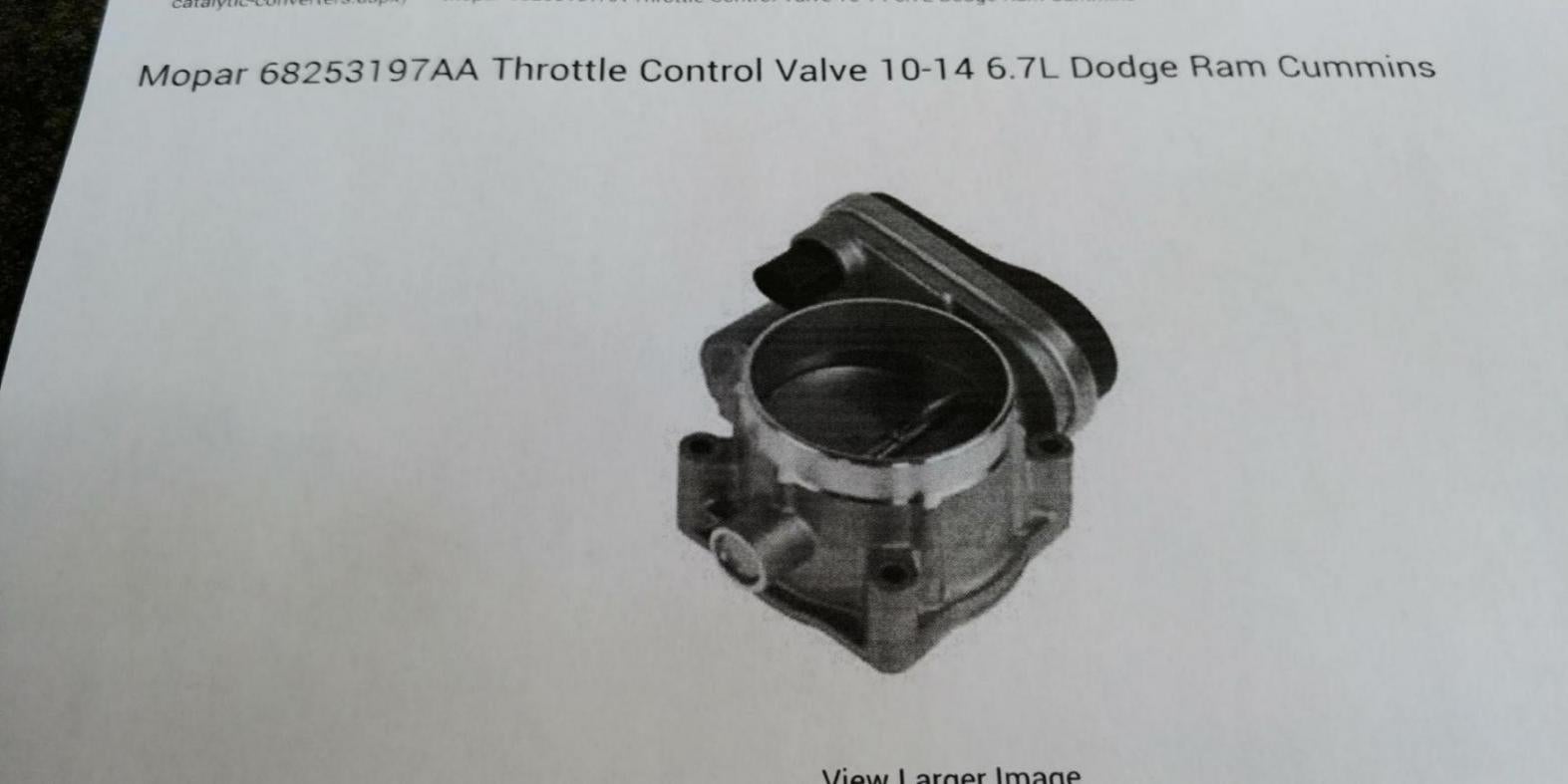
Okay, let's talk about a common issue many Nissan Titan XD owners face, especially those with the 5.0L Cummins diesel: the dreaded "Exhaust Filter Overloaded" message. It's frustrating, and it can even trigger limp mode. But understanding what's happening under the hood (or rather, under the truck) can help you diagnose and potentially resolve the problem yourself. This article will provide a detailed, but accessible, explanation of why this happens and what you can do about it.
Understanding the Exhaust Aftertreatment System
Before diving into the specifics of an overloaded exhaust filter, it's crucial to grasp the basics of the aftertreatment system on your Titan XD. This system is designed to drastically reduce harmful emissions like particulate matter (PM), nitrogen oxides (NOx), and hydrocarbons (HC). Think of it as a sophisticated air purifier for your diesel engine.
Key Components of the System
- Diesel Oxidation Catalyst (DOC): The DOC is the first line of defense. It uses a catalyst (usually platinum and palladium) to oxidize hydrocarbons and carbon monoxide into less harmful substances like water and carbon dioxide. It also helps convert some of the NOx into NO2, which is important for the DPF to function properly.
- Diesel Particulate Filter (DPF): This is the heart of the system, and the component that usually triggers the "Exhaust Filter Overloaded" warning. The DPF is essentially a filter that traps soot and ash particles from the exhaust gas. These particles are the particulate matter (PM) we mentioned earlier. It's made of a porous ceramic material, usually silicon carbide or cordierite, with tiny channels that trap the soot.
- Selective Catalytic Reduction (SCR) System: The SCR system uses a catalyst and a reducing agent, Diesel Exhaust Fluid (DEF, which is urea-based), to convert NOx into nitrogen and water. DEF is injected into the exhaust stream, where it reacts with the NOx over the SCR catalyst.
- NOx Sensors: These sensors monitor the levels of NOx entering and exiting the SCR catalyst. This data is used by the engine control module (ECM) to optimize DEF injection and ensure the SCR system is functioning correctly.
- Diesel Exhaust Fluid (DEF) System: Includes the DEF tank, pump, injector, and associated sensors. It's vital to ensure this system is functioning correctly as a malfunctioning DEF system can impact DPF regeneration.
Why Does the DPF Get Overloaded?
The DPF is designed to trap soot, but it can't hold it indefinitely. That's where regeneration comes in. Regeneration is the process of burning off the accumulated soot in the DPF, turning it into ash. This process restores the DPF's capacity and allows it to continue filtering efficiently.
However, sometimes the regeneration process doesn't happen frequently enough or doesn't complete fully. This leads to a buildup of soot within the DPF, eventually triggering the "Exhaust Filter Overloaded" message. Several factors can contribute to this:
- Short Trips and Stop-and-Go Driving: The Titan XD's regeneration cycle requires the exhaust gas temperature to reach a certain level (typically around 600°C or 1100°F). Short trips and stop-and-go driving often prevent the engine from reaching this temperature, inhibiting the regeneration process. The ECM (Engine Control Module) needs sufficient data to initiate a regeneration cycle; interrupted cycles are particularly harmful.
- Idling for Extended Periods: Similar to short trips, prolonged idling doesn't generate enough exhaust heat for regeneration.
- Faulty Sensors: If sensors like the exhaust gas temperature (EGT) sensors, differential pressure sensor (measuring pressure difference across the DPF), or NOx sensors are malfunctioning, they can provide incorrect data to the ECM. This can prevent the ECM from initiating or completing a regeneration cycle. A clogged or malfunctioning differential pressure sensor is a common culprit.
- Fuel Injector Issues: Problems with fuel injectors can lead to incomplete combustion, which results in increased soot production. This overwhelms the DPF more quickly. Misfires can exacerbate the problem significantly.
- Engine Oil Contamination: Using the wrong type of engine oil or allowing it to become contaminated with fuel or coolant can also increase soot production. Always use oil that meets the specifications outlined in your owner's manual, specifically designed for diesel engines with DPFs.
- EGR (Exhaust Gas Recirculation) System Problems: The EGR system recirculates a portion of the exhaust gas back into the intake manifold to reduce NOx emissions. If the EGR valve is stuck open or malfunctioning, it can lead to excessive soot production.
- Low DEF Level or Contaminated DEF: While primarily affecting the SCR system, low or contaminated DEF can indirectly impact DPF regeneration. If the SCR system isn't functioning properly, the engine may need to work harder, leading to increased soot production. Ensure you are using high-quality DEF from a reputable source.
- Aftermarket Performance Modifications: Some aftermarket performance modifications, especially those that increase fuel delivery without proper tuning, can significantly increase soot production, overwhelming the DPF. Be extremely cautious when modifying the exhaust or fuel system.
Diagnosing the Problem
When you see the "Exhaust Filter Overloaded" message, don't panic. Here's a step-by-step approach to diagnosing the problem:
- Check for Other Trouble Codes: Use an OBD-II scanner to check for other diagnostic trouble codes (DTCs). These codes can provide valuable clues about the underlying cause of the problem. Pay close attention to codes related to sensors, fuel injectors, EGR, and the DEF system.
- Attempt a Forced Regeneration: Many OBD-II scanners (especially professional-grade ones) have the ability to initiate a forced regeneration cycle. Follow the scanner's instructions carefully. Important: Ensure the vehicle is parked in a safe location, away from flammable materials, as the exhaust will get extremely hot during regeneration. Also, be aware that repeated failed forced regenerations can further damage the DPF.
- Inspect the DPF Differential Pressure Sensor: As mentioned earlier, a malfunctioning differential pressure sensor is a common culprit. Check the sensor and its hoses for damage, blockage, or leaks. You can also use a multimeter to test the sensor's voltage output, comparing it to the manufacturer's specifications.
- Check the EGT Sensors: Use an OBD-II scanner that displays live data to monitor the EGT sensor readings. Compare the readings to the expected values. Faulty EGT sensors can prevent the ECM from initiating regeneration.
- Visually Inspect the EGR Valve: If accessible, visually inspect the EGR valve for excessive carbon buildup or signs of sticking. Consider having it professionally cleaned if necessary.
- Check the DEF System: Verify the DEF level and inspect the DEF injector for blockages or leaks. If you suspect contaminated DEF, drain and replace it with fresh fluid.
Possible Solutions
Once you've identified the likely cause of the problem, you can take steps to resolve it:
- Drive on the Highway: If the "Exhaust Filter Overloaded" message appears after a period of short trips or stop-and-go driving, try taking your Titan XD for a long drive on the highway at a consistent speed (around 55-65 mph) for at least 30-45 minutes. This can often allow the DPF to regenerate passively.
- Address Underlying Engine Issues: If you have other trouble codes related to fuel injectors, EGR, or other engine components, address these issues first. Repairing these problems can prevent excessive soot production and allow the DPF to regenerate more effectively.
- Replace Faulty Sensors: If you've identified faulty sensors, replace them with genuine Nissan or reputable aftermarket parts.
- Clean or Replace the EGR Valve: If the EGR valve is heavily carboned, consider having it professionally cleaned or replaced.
- Ensure Proper DEF System Function: Troubleshoot and repair any issues with the DEF system, including low DEF levels, contaminated DEF, or a faulty DEF injector.
- Professional DPF Cleaning or Replacement: In severe cases, the DPF may be so clogged that it cannot be regenerated effectively. In this case, you may need to have the DPF professionally cleaned or replaced. DPF cleaning involves removing the DPF and using specialized equipment to remove the accumulated ash. DPF replacement is a more expensive option, but it ensures that the DPF is functioning at its optimal capacity.
Important Note: Some owners resort to DPF deletes and engine tuning to bypass the emissions system. However, this is illegal in many areas and can have serious environmental consequences. Furthermore, it can void your vehicle's warranty and may negatively impact resale value. We strongly advise against this practice.
Preventive Maintenance
The best way to avoid DPF problems is to perform regular preventive maintenance:
- Use the Correct Engine Oil: Always use engine oil that meets the specifications outlined in your owner's manual, specifically designed for diesel engines with DPFs.
- Perform Regular Oil Changes: Change your engine oil and filter at the recommended intervals.
- Use High-Quality Fuel: Use high-quality diesel fuel from a reputable source.
- Avoid Excessive Idling: Minimize idling time, especially in cold weather.
- Take Long Drives Regularly: If you primarily drive short distances, make an effort to take longer drives on the highway occasionally to allow the DPF to regenerate.
- Monitor Your Vehicle's Performance: Pay attention to any changes in your vehicle's performance, such as reduced fuel economy or increased exhaust smoke. These can be early warning signs of potential DPF problems.
Dealing with an overloaded exhaust filter on your Nissan Titan XD can be a challenge, but with a thorough understanding of the system and a systematic approach to diagnosis and repair, you can often resolve the problem yourself. Remember to prioritize preventive maintenance and address any underlying engine issues to keep your DPF functioning properly and your Titan XD running smoothly.