
Nissan Versa Catalytic Converter Location
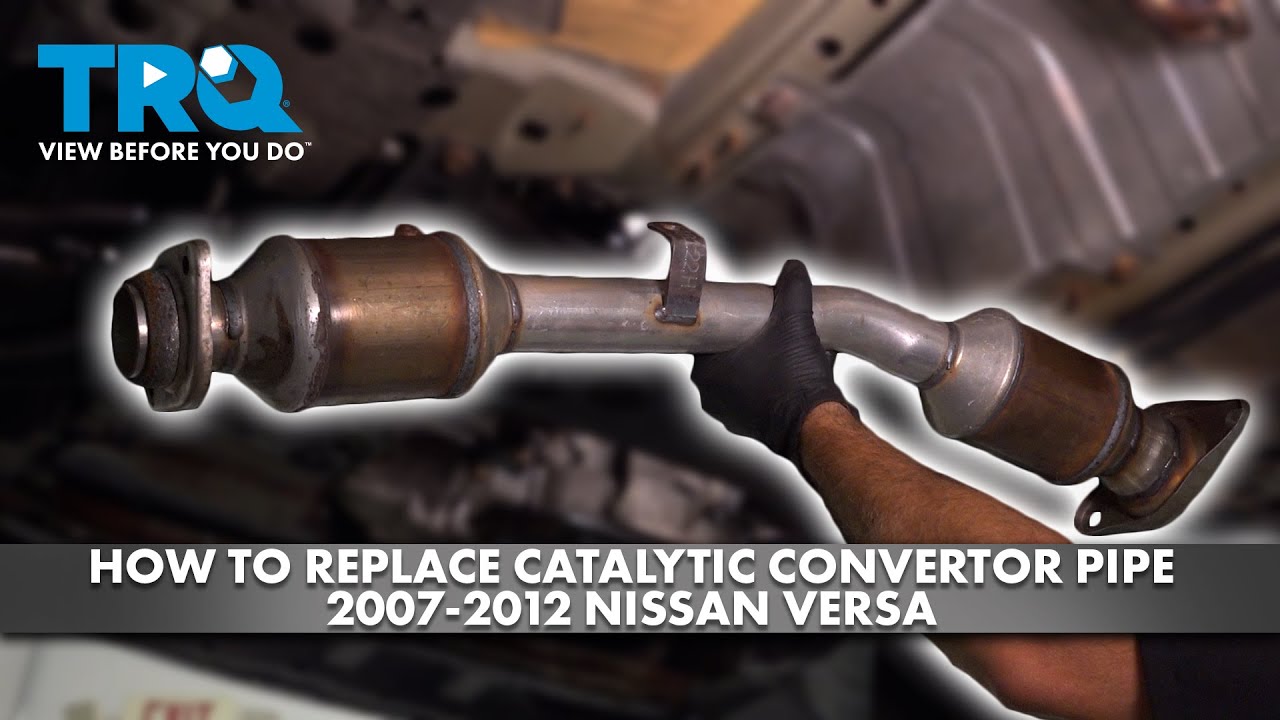
Hello there, fellow Nissan Versa owner! Dealing with catalytic converter issues can be a real headache, but understanding where it's located and potential problems is the first step toward getting back on the road. This article aims to guide you through the process of finding your Versa's catalytic converter, diagnosing related issues, and exploring potential solutions. We'll cover everything from common symptoms to estimated repair costs, presented in a friendly, easy-to-understand way.
Locating Your Nissan Versa's Catalytic Converter
The catalytic converter is a crucial component of your vehicle's exhaust system, responsible for reducing harmful emissions. Its location can vary slightly depending on the specific year and engine configuration of your Nissan Versa, but generally, you'll find it underneath the car, integrated into the exhaust system.
Typical Location (Most Versa Models):
In most Nissan Versa models, the catalytic converter is positioned somewhere along the exhaust pipe, typically between the engine's exhaust manifold and the muffler. It's usually closer to the engine compartment than the rear of the vehicle. To pinpoint it precisely, you'll need to get under the car. Always prioritize safety! Use jack stands to support the vehicle after lifting it with a jack. Never work under a car supported only by a jack.
Visual Identification:
The catalytic converter is a metallic, often cylindrical or oval-shaped component. It usually has heat shields surrounding it to protect the undercarriage of your car from excessive heat. You'll see pipes entering and exiting the converter. Oxygen sensors (O2 sensors) are typically located before and/or after the catalytic converter. These sensors monitor the efficiency of the converter.
Specific Model Considerations:
While the general location remains consistent, some minor variations exist between model years. Refer to your Versa's service manual for the most accurate location diagram. Online parts diagrams can also be helpful. If you're unsure, a quick visit to a trusted mechanic can quickly confirm the exact location on your specific Versa model.
Common Catalytic Converter Problems and Symptoms
A failing catalytic converter can manifest in several ways. Recognizing these symptoms early can save you money and prevent further damage to your vehicle.
Check Engine Light:
This is often the first and most obvious sign. The check engine light illuminates when the car's computer (ECU) detects a problem. Fault codes related to the catalytic converter, such as P0420 (Catalyst System Efficiency Below Threshold), are common.
Reduced Engine Performance:
A clogged or damaged catalytic converter restricts exhaust flow, hindering engine performance. You may notice a decrease in acceleration, difficulty climbing hills, or an overall lack of power. Pay close attention to how the car feels under load.
Poor Fuel Economy:
The engine may work harder to compensate for the restricted exhaust flow, leading to reduced fuel efficiency. Keep track of your gas mileage and compare it to your usual numbers.
Rattling Noises:
Internal components of the catalytic converter can break down over time. This can create a rattling sound, especially when the engine is running or when you drive over bumps.
Failed Emissions Test:
If your catalytic converter isn't functioning properly, your vehicle will likely fail an emissions test. This is a clear indicator of a problem that needs addressing.
Overheating:
A severely clogged catalytic converter can cause excessive heat buildup in the exhaust system, potentially damaging other components.
Diagnosing the Issue
Once you suspect a catalytic converter problem, a proper diagnosis is essential. While visual inspection can sometimes reveal obvious damage, more often than not, you'll need specialized tools and knowledge.
OBD-II Scanner:
An OBD-II scanner is invaluable for retrieving diagnostic trouble codes (DTCs) stored in the car's computer. A P0420 code strongly suggests a catalytic converter issue. However, other codes related to O2 sensors or engine misfires can also point to problems affecting the converter's performance. Don't just replace the converter based on a P0420 code alone. Investigate further!
Oxygen Sensor Testing:
O2 sensors play a vital role in monitoring the catalytic converter's efficiency. Testing these sensors can help determine if they're functioning correctly. A multimeter or a dedicated O2 sensor testing tool can be used.
Exhaust Backpressure Test:
This test measures the pressure in the exhaust system. High backpressure indicates a blockage, which could be caused by a clogged catalytic converter.
Visual Inspection:
Carefully inspect the catalytic converter for any signs of physical damage, such as cracks, dents, or corrosion. Also, check the surrounding exhaust pipes and connections for leaks.
Important Note:
A seemingly faulty catalytic converter could actually be a symptom of another underlying problem, such as a malfunctioning O2 sensor, engine misfires, or vacuum leaks. Addressing these issues *before* replacing the converter is crucial to prevent premature failure of the new converter.
Solutions and Repair Options
Depending on the diagnosis, several repair options are available.
Catalytic Converter Replacement:
If the catalytic converter is indeed faulty and beyond repair, replacement is the most common solution. It's important to use a CARB-compliant (California Air Resources Board) catalytic converter if you live in California or another state that follows California emissions standards. Non-CARB compliant converters are illegal in these states.
Oxygen Sensor Replacement:
If faulty O2 sensors are contributing to the problem, replacing them can restore proper engine function and improve catalytic converter efficiency. Replacing both upstream and downstream O2 sensors is often recommended.
Repairing Exhaust Leaks:
Exhaust leaks can disrupt the catalytic converter's performance. Repairing these leaks can improve efficiency and prevent further damage.
Addressing Underlying Engine Issues:
As mentioned earlier, addressing underlying engine problems, such as misfires or vacuum leaks, is essential before replacing the catalytic converter.
Estimated Repair Costs
The cost of repairing or replacing a catalytic converter can vary significantly depending on several factors:
- Vehicle Year and Model: Newer models and those with more complex exhaust systems tend to be more expensive.
- Type of Catalytic Converter: Aftermarket converters are generally cheaper than OEM (Original Equipment Manufacturer) converters.
- Labor Costs: Labor rates vary from shop to shop.
- Location: Costs can vary depending on your geographic location.
- Underlying Issues: If other repairs are needed, the overall cost will increase.
Generally, you can expect to pay anywhere from $500 to $1500 or more for a catalytic converter replacement, including parts and labor. This is just an estimate, and it's always best to get quotes from several reputable mechanics before making a decision. Don't be afraid to shop around! Get a detailed breakdown of the costs, including the price of the converter, O2 sensors (if needed), and labor.
Tools You Might Need
If you're a confident DIYer, you might attempt the catalytic converter replacement yourself. However, this job requires some mechanical skill and the right tools.
- Jack and Jack Stands: Essential for safely lifting and supporting the vehicle.
- Wrenches and Sockets: A variety of sizes will be needed to remove bolts and fasteners.
- Penetrating Oil: Helps loosen rusted or seized bolts.
- Oxygen Sensor Socket: A specialized socket designed for removing O2 sensors without damaging them.
- Torque Wrench: Ensures bolts are tightened to the correct specification.
- OBD-II Scanner: For clearing diagnostic codes after the repair.
- Safety Glasses and Gloves: Protect your eyes and hands.
Warning: Working on exhaust systems can be challenging due to rust and corrosion. Be prepared for potentially stubborn bolts. If you're not comfortable with this type of work, it's best to leave it to a professional.
Preventative Maintenance
While catalytic converters eventually wear out, you can extend their lifespan with proper maintenance.
- Regular Engine Tune-Ups: Ensure your engine is running efficiently to minimize stress on the catalytic converter.
- Proper Oil Changes: Following the manufacturer's recommended oil change intervals helps prevent engine problems that can damage the converter.
- Avoid Short Trips: Short trips don't allow the catalytic converter to reach its optimal operating temperature, leading to carbon buildup.
- Use Quality Fuel: Using high-quality fuel can help prevent engine deposits that can harm the converter.
Final Thoughts
Dealing with a catalytic converter issue can be frustrating, but understanding the problem and exploring your options can make the process much smoother. Remember to prioritize safety when working on your vehicle and don't hesitate to seek professional help if needed. With a little knowledge and effort, you can get your Nissan Versa back on the road and running efficiently. Good luck!