
Nissan Versa Coolant Temp Sensor Location
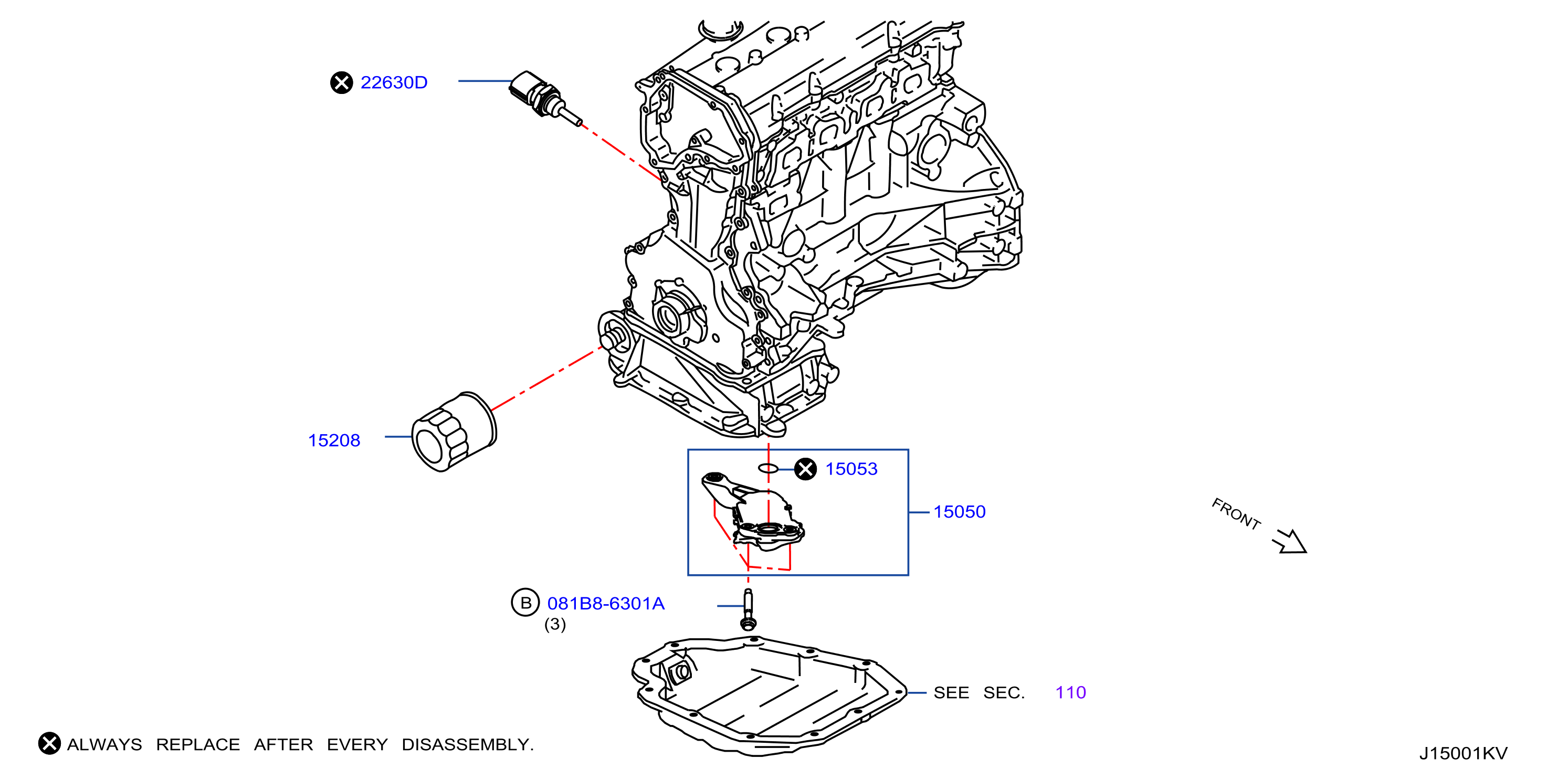
Maintaining your Nissan Versa's engine is crucial for its longevity and performance. One essential component in this process is the coolant temperature sensor (CTS). This sensor plays a vital role in regulating engine temperature and ensuring optimal fuel efficiency. Knowing the Nissan Versa coolant temp sensor location can be incredibly helpful for troubleshooting issues, performing maintenance, or even replacing the sensor yourself. This article provides a comprehensive guide to help you locate this important component.
Understanding the Coolant Temperature Sensor (CTS)
Before diving into the location, let's understand the function of the CTS. This sensor measures the temperature of the engine coolant and sends this information to the engine control unit (ECU). The ECU then uses this data to:
- Adjust the air-fuel mixture for optimal combustion.
- Control the timing of the ignition system.
- Activate the cooling fan when the engine reaches a certain temperature.
- Regulate the idle speed of the engine.
A faulty CTS can lead to several problems, including poor fuel economy, rough idling, difficulty starting, overheating, and even damage to the engine. Therefore, it's essential to address any issues with the CTS promptly.
Where to Find the Coolant Temperature Sensor on a Nissan Versa
The Nissan Versa coolant temp sensor location can vary slightly depending on the specific year and engine type. However, it's generally located in the engine compartment, usually near the engine block or cylinder head. Here's a more detailed guide to help you pinpoint its location:
General Location Overview
The CTS is typically threaded into a coolant passage in the engine block or cylinder head, allowing it to be immersed in the coolant. You'll usually find it near the thermostat housing or intake manifold. Look for a sensor with a two- or three-wire connector attached to it. The sensor itself is usually made of metal and has a distinct shape, often resembling a small bolt or plug.
Specific Locations by Generation (Examples)
While a precise location is best determined by consulting your vehicle's repair manual, here are some general areas to check based on common Versa generations:
- First Generation (2007-2012): For the first generation Nissan Versa, you'll often find the coolant temperature sensor near the thermostat housing, typically towards the front of the engine. Look for it near where the upper radiator hose connects to the engine. You might need to remove some air intake components for better access.
- Second Generation (2012-2019): In the second generation, the CTS is usually located on the engine block near the intake manifold. It might be slightly obscured by other components, so take your time and carefully examine the area. Again, look for the two- or three-wire connector.
- Third Generation (2020-Present): The location in newer models may be more compact and integrated. Refer to your owner’s manual or a repair manual specific to your model year for the most accurate information. Common areas remain the engine block, near the thermostat housing or intake manifold.
Step-by-Step Guide to Locating the CTS
Follow these steps to help you find the CTS on your Nissan Versa:
- Gather Your Tools: You'll need a flashlight, a socket set (metric), and possibly a set of pliers. A repair manual for your specific year and model is highly recommended.
- Locate the Thermostat Housing: This is where the thermostat is located, and the CTS is often nearby. The thermostat housing is usually a metal or plastic housing where the upper radiator hose connects to the engine.
- Inspect the Engine Block Near the Intake Manifold: The intake manifold is the part of the engine that distributes air to the cylinders. The CTS may be located on the engine block in this area.
- Use a Flashlight: A flashlight will help you see into tight spaces and identify the sensor.
- Look for the Connector: The CTS has a two- or three-wire connector attached to it. This connector is a key identifier.
- Consult Your Repair Manual: If you're having trouble finding the CTS, consult your repair manual. It will provide a diagram or illustration showing the exact location of the sensor for your specific year and model.
Identifying a Faulty Coolant Temperature Sensor
Knowing the signs of a failing CTS can help you diagnose problems early. Common symptoms include:
- Poor Fuel Economy: A faulty CTS can cause the ECU to inject too much or too little fuel, leading to poor fuel economy.
- Rough Idling: The engine may idle roughly or stall, especially when it's cold.
- Difficulty Starting: A faulty CTS can make it difficult to start the engine, particularly in cold weather.
- Overheating: In some cases, a faulty CTS can prevent the cooling fan from activating, leading to overheating.
- Check Engine Light: The check engine light may illuminate, and a diagnostic scan will reveal a code related to the CTS (e.g., P0115, P0116, P0117, P0118).
- Black Smoke from Exhaust: If the engine is running rich due to incorrect coolant temperature readings, black smoke may emit from the exhaust.
Replacing the Coolant Temperature Sensor
If you've determined that your CTS is faulty, you can replace it yourself with some basic tools and mechanical knowledge. Here's a general overview of the process:
- Disconnect the Negative Battery Cable: This is essential for safety.
- Drain Some Coolant: Drain a small amount of coolant from the radiator to prevent a mess when you remove the sensor.
- Disconnect the Connector: Disconnect the electrical connector from the CTS.
- Remove the Old Sensor: Use a socket or wrench to carefully unscrew the old sensor.
- Install the New Sensor: Apply a small amount of thread sealant to the threads of the new sensor and screw it in. Be careful not to overtighten it.
- Reconnect the Connector: Reconnect the electrical connector.
- Refill the Coolant: Refill the cooling system with the appropriate type of coolant.
- Reconnect the Negative Battery Cable: Reconnect the negative battery cable.
- Start the Engine and Check for Leaks: Start the engine and check for any coolant leaks around the sensor.
- Monitor Engine Temperature: Ensure that the engine temperature gauge reads correctly and that the cooling fan activates when it should.
Important Note: Always consult your vehicle's repair manual for specific instructions and torque specifications for your year and model. If you're not comfortable performing this repair yourself, it's best to take your vehicle to a qualified mechanic.
Tips for Finding the Coolant Temperature Sensor
Here are some additional tips to help you locate the Nissan Versa coolant temp sensor location:
- Search Online Forums: Online forums dedicated to Nissan vehicles can be a valuable resource. Other Versa owners may have encountered the same issue and can provide specific advice and photos.
- Watch YouTube Videos: Many helpful videos demonstrate how to locate and replace the CTS on various Nissan models. Search for videos specifically for your year and model of Versa.
- Ask a Mechanic: If you're still having trouble, consider asking a mechanic for assistance. They can quickly locate the sensor and provide guidance on how to replace it.
- Use a Diagnostic Scanner: Even if you can’t visually locate the sensor immediately, a diagnostic scanner might provide more specific information via error codes which pinpoint the sensor's malfunction, therefore assisting in location identification.
Conclusion
Locating the Nissan Versa coolant temp sensor location can be a straightforward process if you follow these guidelines. Remember to consult your vehicle's repair manual for specific instructions and diagrams. By understanding the function of the CTS and knowing where to find it, you can effectively troubleshoot engine temperature issues and keep your Nissan Versa running smoothly for years to come. Regular maintenance and prompt attention to any potential problems with the cooling system, including the CTS, will help prevent costly repairs down the road. Replacing a faulty CTS is often a relatively inexpensive repair that can significantly improve your vehicle’s performance and fuel efficiency.