
Nissan Versa Mass Air Flow Sensor Problems
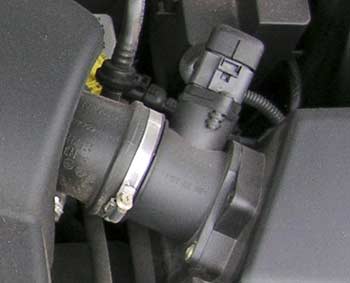
The Nissan Versa, a popular choice for its affordability and fuel efficiency, relies on a sophisticated network of sensors and actuators to deliver optimal performance. One crucial component within this system is the Mass Air Flow (MAF) sensor. Understanding its function, potential failure modes, and troubleshooting steps is essential for maintaining your Versa's health and avoiding costly repairs. This article delves into the technical aspects of MAF sensor issues specific to the Nissan Versa, aiming to provide a comprehensive guide for curious readers and amateur engineers.
What is a Mass Air Flow Sensor and How Does it Work?
At its core, the MAF sensor is a device that measures the mass of air entering the engine. This information is then relayed to the Engine Control Unit (ECU), the car's central computer. The ECU uses this data, along with information from other sensors, to determine the correct amount of fuel to inject, ensuring the engine runs efficiently and cleanly. An inaccurate MAF sensor reading can throw off this delicate balance, leading to a variety of performance problems.
The Versa, depending on the model year and engine configuration, typically utilizes a hot-wire or hot-film MAF sensor. Here's a simplified explanation of how each type operates:
Hot-Wire MAF Sensor:
This type features a thin, electrically heated wire (typically platinum) placed in the path of incoming air. The sensor measures the current required to maintain the wire at a constant temperature. As more air flows past the wire, it cools down, and the sensor needs to draw more current to keep it hot. The ECU interprets the amount of current draw as a measurement of the air mass. A temperature sensor is also present to compensate for changes in the ambient air temperature.
The equation governing its operation is loosely based on heat transfer principles: The energy required to heat the wire (proportional to current squared) is balanced by the energy lost due to convective heat transfer to the air. This relationship is complex, involving factors like air density, specific heat capacity, and wire geometry. However, the underlying principle is that increased air flow leads to increased cooling and, therefore, increased current.
Hot-Film MAF Sensor:
The hot-film sensor employs a thin film resistor, also heated electrically. The principle is similar to the hot-wire sensor, but the film allows for more precise and faster measurements. Hot film sensors also incorporate two temperature sensors; one measures the air temperature, and the other is used to regulate the temperature of the hot film.
Think of it like a tiny electric heater constantly battling the wind. The stronger the wind (more airflow), the harder the heater has to work to stay warm. The ECU "reads" how hard the heater is working and translates that into a mass airflow reading.
Common Symptoms of a Failing MAF Sensor in a Nissan Versa
When a MAF sensor starts to fail, it can manifest in several ways. Recognizing these symptoms early can help prevent further damage and minimize repair costs. Here are some common indicators:
- Check Engine Light (CEL): This is often the first sign of a problem. The ECU detects an out-of-range MAF sensor reading and triggers the CEL. Diagnostic Trouble Codes (DTCs) such as P0100 (Mass or Volume Air Flow Circuit Malfunction), P0101 (Mass or Volume Air Flow Circuit Range/Performance), P0102 (Mass or Volume Air Flow Circuit Low Input), and P0103 (Mass or Volume Air Flow Circuit High Input) are frequently associated with MAF sensor issues.
- Poor Fuel Economy: An inaccurate MAF sensor reading can cause the ECU to inject too much or too little fuel, resulting in decreased fuel efficiency.
- Rough Idle: The engine may idle roughly or even stall, especially when cold. This is because the ECU is not receiving accurate information about the air intake, leading to improper fuel mixture.
- Hesitation or Stalling During Acceleration: The engine may hesitate or stall when you try to accelerate, particularly at lower speeds. This is due to the incorrect air-fuel ratio being delivered to the cylinders.
- Reduced Engine Power: Overall engine performance may be noticeably reduced. The car may feel sluggish and less responsive.
- Black Smoke from Exhaust: In some cases, a faulty MAF sensor can cause the engine to run rich (too much fuel), resulting in black smoke emitting from the exhaust pipe. This is more common when the MAF sensor is *underreporting* airflow.
- Failed Emissions Test: A malfunctioning MAF sensor can cause the engine to produce excessive emissions, leading to a failed emissions test.
Potential Causes of MAF Sensor Failure
MAF sensors are relatively robust, but they are susceptible to various failure mechanisms. Here are some common culprits:
- Contamination: Dust, dirt, oil, and other contaminants can accumulate on the sensing element, interfering with its ability to accurately measure airflow. This is the most common cause of failure. An oiled aftermarket air filter is a frequent offender.
- Physical Damage: The sensor can be damaged by impact or vibration. Care should be taken when handling the sensor.
- Electrical Issues: Wiring problems, such as loose connections or short circuits, can disrupt the sensor's signal.
- Moisture Intrusion: Water or other fluids can damage the sensor's internal components.
- Age and Wear: Like any electronic component, MAF sensors can degrade over time due to heat, vibration, and general wear and tear.
Troubleshooting and Diagnosis
Before replacing the MAF sensor, it's crucial to perform a thorough diagnosis to ensure that the sensor is indeed the problem. Here are some steps you can take:
- Visual Inspection: Carefully inspect the MAF sensor and its wiring harness for any signs of damage, such as cracks, loose connectors, or corrosion.
- Check for Vacuum Leaks: Vacuum leaks can throw off the MAF sensor readings. Inspect all vacuum hoses and connections for leaks. A simple propane torch test (carefully directing a small amount of propane near potential leak points while monitoring engine RPM) can help identify leaks. Important Safety Note: Propane is flammable; exercise extreme caution.
- Scan for Diagnostic Trouble Codes (DTCs): Use an OBD-II scanner to read any stored DTCs. This will provide valuable information about the nature of the problem.
- MAF Sensor Cleaning: If the sensor is contaminated, you can try cleaning it with a specialized MAF sensor cleaner. Do not use carb cleaner or other harsh chemicals, as these can damage the sensor. Follow the instructions on the cleaner can carefully. Disconnect the sensor, gently spray the sensing element, and allow it to dry completely before reinstalling.
- Voltage Testing: Use a multimeter to check the voltage at the MAF sensor connector. Refer to the Nissan Versa's service manual for the correct voltage values. This test can help identify wiring problems or a faulty sensor. Pay close attention to the ground wire integrity. A poor ground can cause inaccurate readings.
- Live Data Monitoring: Use an OBD-II scanner that supports live data monitoring to observe the MAF sensor readings in real-time. Compare the readings to the manufacturer's specifications. A healthy MAF sensor should show increasing airflow as the engine speed increases.
Replacement and Repair
If the MAF sensor is determined to be faulty, replacement is usually the best course of action. While some DIYers may attempt repairs, the intricate nature of the sensor makes it difficult to repair reliably. When replacing the MAF sensor:
- Choose a Quality Replacement: Opt for a reputable brand, such as Denso (an OEM supplier for Nissan) or Bosch. Avoid cheap, no-name sensors, as these may not meet the required specifications and could lead to further problems.
- Disconnect the Battery: Before disconnecting and replacing the MAF sensor, disconnect the negative terminal of the battery to prevent electrical damage.
- Carefully Disconnect the Old Sensor: Disconnect the wiring harness connector and remove the screws or bolts that secure the sensor to the air intake system.
- Install the New Sensor: Install the new sensor, ensuring that it is properly seated and securely fastened.
- Reconnect the Battery: Reconnect the negative terminal of the battery.
- Clear DTCs: Use an OBD-II scanner to clear any stored DTCs.
- Monitor Performance: After replacing the MAF sensor, monitor the engine's performance to ensure that the problem has been resolved. Check the fuel economy, idle quality, and acceleration.
Preventative Maintenance
While MAF sensors are susceptible to failure, you can take steps to prolong their lifespan:
- Use a High-Quality Air Filter: Regularly replace the air filter with a high-quality filter to prevent dirt and debris from entering the engine. Avoid oiled air filters unless specifically recommended by the manufacturer, as the oil can contaminate the MAF sensor.
- Proper Air Filter Installation: Ensure the air filter is properly seated and sealed in the airbox. This prevents unfiltered air from bypassing the filter and contaminating the MAF sensor.
- Regular Inspections: Periodically inspect the MAF sensor and its wiring harness for any signs of damage or contamination.
In conclusion, understanding the function, failure modes, and troubleshooting steps for the MAF sensor in your Nissan Versa is crucial for maintaining optimal engine performance and preventing costly repairs. By following the guidelines outlined in this article, you can diagnose and address MAF sensor issues effectively, ensuring your Versa runs smoothly for years to come.