
Nissan Versa Transmission Replacement Cost
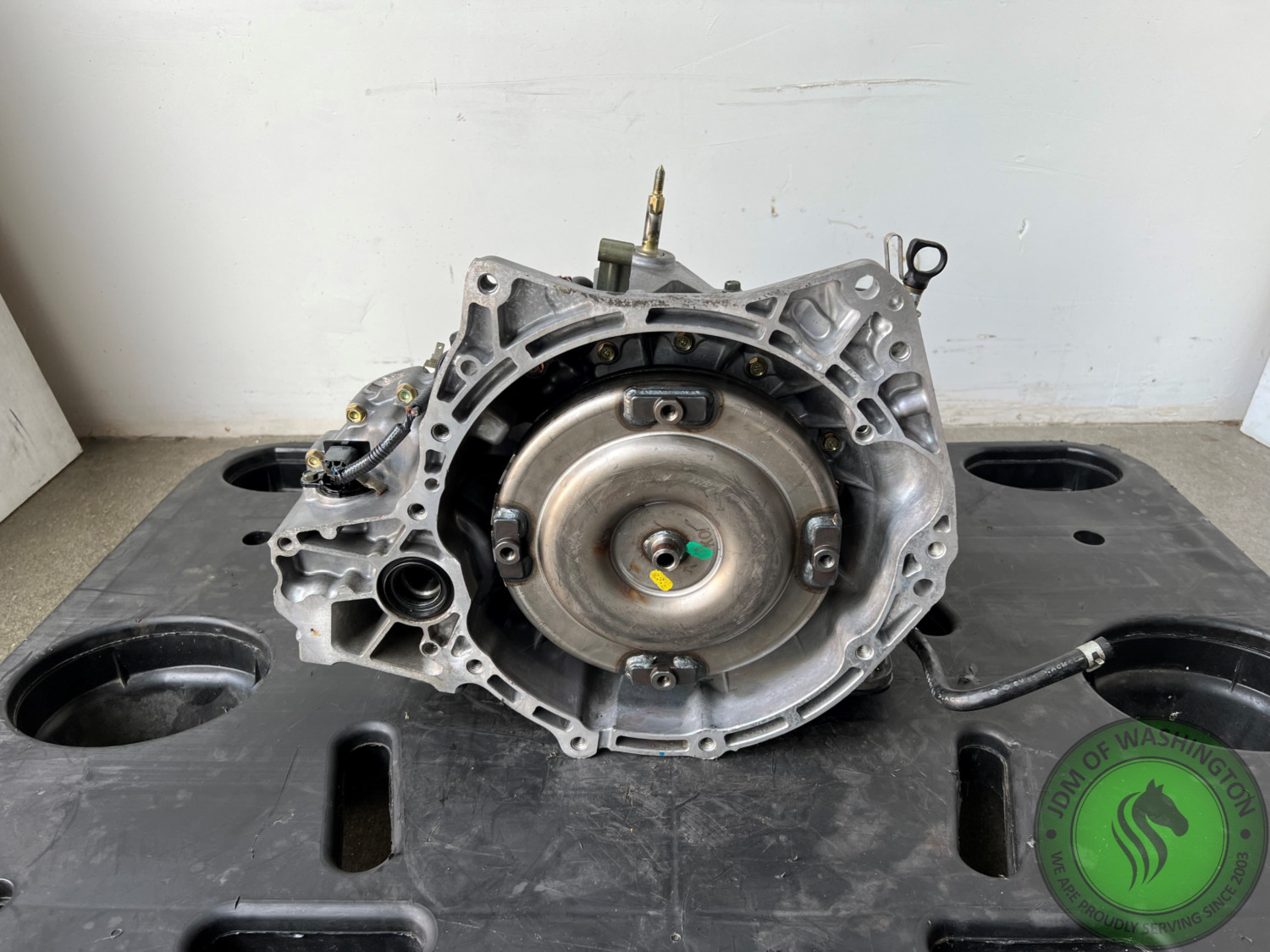
The Nissan Versa, known for its fuel efficiency and affordability, is a popular choice for budget-conscious drivers. However, like any vehicle, it's susceptible to mechanical issues over time, and the transmission is a critical component that can require replacement. Understanding the intricacies of a Nissan Versa transmission replacement, including the associated costs, is essential for informed vehicle ownership. This guide delves into the various factors that influence the cost, the different types of transmissions used in the Versa, and what you can expect during the replacement process.
Understanding the Nissan Versa Transmission
Before we discuss the cost, let's clarify the types of transmissions found in Nissan Versas. Primarily, two types are common: the continuously variable transmission (CVT) and, in older models, the manual transmission. While the manual transmission is a traditional geared system, the CVT operates differently, using belts and pulleys to provide a seemingly infinite number of gear ratios within a specific range. This allows the engine to stay within its optimal power band, contributing to better fuel economy.
CVT Specifics and Concerns
The CVT has become a dominant transmission type in many Versa models. However, CVTs are sometimes viewed as more prone to issues compared to traditional automatic transmissions. This is often because they rely on a complex system of belts, pulleys, and sophisticated electronic controls. Proper maintenance, including regular fluid changes with the correct type of CVT fluid, is crucial for longevity. Ignoring scheduled maintenance can lead to premature failure, resulting in a costly replacement.
Signs of a failing CVT can include:
- Jerky or erratic acceleration
- Unusual noises, such as whining or buzzing
- Slipping, where the engine revs high but the car doesn't accelerate accordingly
- Warning lights on the dashboard (e.g., transmission warning light)
Manual Transmission Considerations
For Versa models equipped with a manual transmission, replacement is generally less frequent than with a CVT, assuming proper driving habits. However, components like the clutch, pressure plate, and throw-out bearing can wear out over time, requiring replacement. While a complete manual transmission replacement might be less common, it's still a possibility if internal gears or shafts become damaged.
Factors Influencing Transmission Replacement Cost
The total cost of a Nissan Versa transmission replacement can vary significantly based on several factors:
- Transmission Type: CVTs generally cost more to replace than manual transmissions due to their complex design and specialized parts.
- New vs. Remanufactured vs. Used: You have the option of installing a brand-new transmission, a remanufactured transmission, or a used transmission. A new transmission will be the most expensive but offers the greatest peace of mind. Remanufactured transmissions are rebuilt to original specifications and often come with a warranty. Used transmissions are the cheapest option but carry the highest risk, as their history is often unknown.
- Labor Costs: Labor rates vary widely depending on your location and the mechanic's hourly rate. Transmission replacement is a labor-intensive process, so labor costs can contribute significantly to the overall expense.
- Parts Costs: The cost of the transmission itself is a major component of the total expense. This cost will vary depending on whether you choose a new, remanufactured, or used unit. In addition to the transmission, you may need to replace other parts, such as the transmission mount, fluid lines, and cooler.
- Vehicle Year and Model: The specific year and model of your Versa can influence the cost, as different years might use different transmission models with varying availability and pricing.
- Geographic Location: Labor rates and parts availability can vary significantly depending on your location. Metropolitan areas typically have higher labor rates than rural areas.
- Shop Type (Dealership vs. Independent Mechanic): Dealerships typically charge higher labor rates than independent mechanics but may offer specialized expertise. Independent mechanics can provide more competitive pricing, but it's crucial to choose a reputable shop with experienced technicians.
- Warranty: The warranty offered on the replacement transmission can affect the overall value proposition. A longer warranty provides greater protection against potential future issues.
Estimating the Cost: A Breakdown
Given the factors above, providing a precise cost estimate for a Nissan Versa transmission replacement is challenging. However, we can provide a general range:
CVT Replacement Cost:
Expect to pay anywhere from $3,000 to $5,000 or more for a CVT replacement. This range includes the cost of the transmission itself (new or remanufactured), labor, and any necessary fluids or ancillary parts. A brand new CVT from the dealership could easily exceed the higher end of this range.
Manual Transmission Replacement Cost:
A manual transmission replacement is generally less expensive than a CVT replacement, ranging from $1,500 to $3,500. This includes the cost of the transmission, labor, and any associated parts, such as the clutch kit.
Used Transmission Option:
While a used transmission is the cheapest upfront option, it's generally not recommended unless you're on a very tight budget and understand the risks involved. Used transmissions can cost as little as $500 to $1,500 (transmission only), but you'll still need to factor in labor costs. Remember that a used transmission typically comes with little to no warranty, and its lifespan is uncertain.
The Replacement Process: What to Expect
The transmission replacement process typically involves the following steps:
- Diagnosis: A qualified mechanic will diagnose the transmission issue to confirm that replacement is necessary. This may involve a visual inspection, fluid level check, and diagnostic testing.
- Preparation: The vehicle is lifted, and necessary components, such as the battery, air intake, and exhaust system, are disconnected or removed to access the transmission.
- Removal: The transmission is carefully disconnected from the engine and surrounding components, including the drive shafts, wiring harnesses, and fluid lines. It's then lowered from the vehicle.
- Installation: The new or remanufactured transmission is installed in the reverse order of removal. All connections are carefully reestablished, and new fluids are added.
- Testing: The mechanic will thoroughly test the transmission to ensure proper operation. This may involve road testing and diagnostic scans.
Preventative Maintenance: Extending Transmission Life
The best way to avoid a costly transmission replacement is to follow a strict preventative maintenance schedule. This includes:
- Regular Fluid Changes: Changing the transmission fluid at the intervals recommended in your owner's manual is crucial. Use the correct type of fluid specified for your transmission (CVT or manual).
- Avoiding Harsh Driving: Aggressive acceleration, hard braking, and towing beyond the vehicle's capacity can put excessive strain on the transmission.
- Addressing Issues Promptly: If you notice any signs of transmission problems, have them addressed immediately. Ignoring minor issues can lead to more significant and costly repairs down the road.
- Regular Inspections: Have your transmission inspected during routine maintenance visits to identify any potential problems early on.
Making an Informed Decision
When faced with a Nissan Versa transmission replacement, it's essential to gather multiple quotes from reputable mechanics. Be sure to ask about the type of transmission being used (new, remanufactured, or used), the warranty offered, and the total cost, including labor and parts. Don't hesitate to ask questions and seek clarification on any aspect of the repair process. Ultimately, making an informed decision based on your budget and comfort level with the different options will help you get back on the road with confidence.