
Nissan Xterra Alternator Replacement Cost
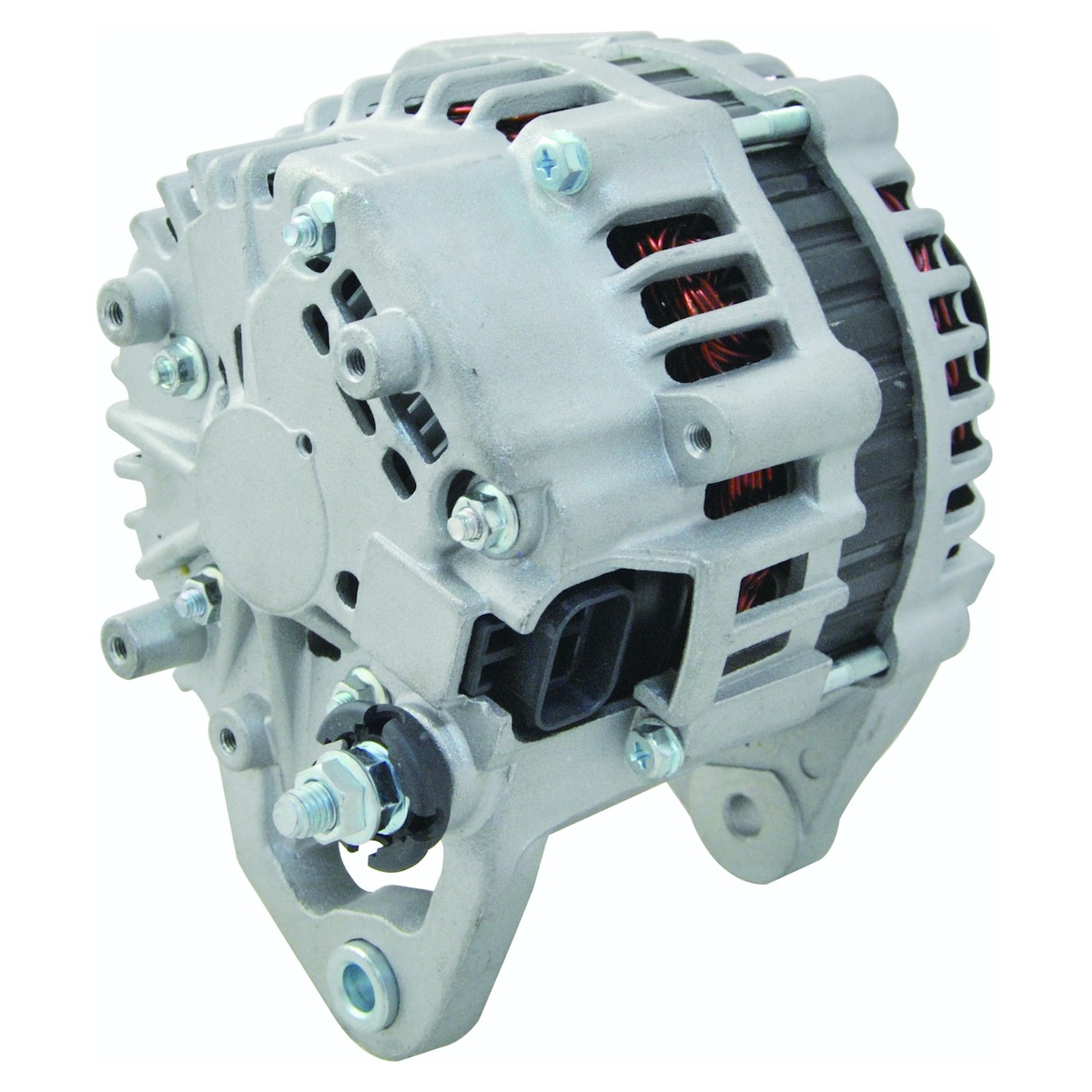
So, your trusty Nissan Xterra's alternator has given up the ghost? Don't sweat it; alternator replacement is a fairly common repair that can be tackled by a reasonably experienced DIYer. However, before you dive in, it's crucial to understand the potential costs involved. This isn't just about the price of the alternator itself; labor costs (if you're not doing it yourself), diagnostic fees, and even potential hidden expenses can all add up. Let's break down the expenses, explore factors influencing those costs, and guide you through estimating the financial impact of getting your Xterra back on the road.
Understanding the Components of Alternator Replacement Cost
The overall cost of replacing your Xterra's alternator can be broken down into several key components:
- The Alternator Itself: This is obviously the biggest factor. Alternator prices vary considerably depending on several factors which we'll discuss later.
- Labor Costs (if applicable): If you're taking your Xterra to a mechanic, labor will be a significant portion of the bill. Labor rates can vary widely depending on your location and the shop's hourly rate.
- Diagnostic Fees: Some shops will charge a diagnostic fee to confirm that the alternator is indeed the problem. While many will waive this fee if you proceed with the repair at their shop, it's still worth considering.
- Parts and Materials: This might include new belts (especially if the old one is worn or damaged), battery terminal cleaning supplies, dielectric grease, and potentially new connectors or wiring if the old ones are corroded.
- Towing (potentially): If your Xterra won't start due to a dead battery caused by a failing alternator, you might need to factor in towing costs to get it to a shop.
Alternator Price: A Deep Dive
The price of a replacement alternator for your Nissan Xterra depends on several key factors:
New vs. Remanufactured vs. Used
- New Alternators: These are brand new, straight from the manufacturer or a reputable aftermarket supplier. They are generally the most expensive option but offer the greatest peace of mind, typically coming with a warranty.
- Remanufactured Alternators: These are used alternators that have been disassembled, cleaned, inspected, and rebuilt with new or refurbished parts. They are typically less expensive than new alternators and often come with a warranty, though it might be shorter than a new unit's warranty. Reputable remanufacturers test their units thoroughly.
- Used Alternators: These are salvaged from other vehicles. They are the cheapest option, but also the riskiest. You have no guarantee of their quality or lifespan, and they rarely come with a warranty. Using a used alternator is generally not recommended unless you're on an extremely tight budget and understand the risks.
Alternator Amperage
Alternators are rated by their amperage output. Your Xterra's original alternator had a specific amperage rating, designed to handle the vehicle's electrical load. Using an alternator with a significantly lower amperage rating than specified can lead to electrical problems, especially if you've added aftermarket accessories like lights or a powerful sound system. Using an alternator with a higher amperage rating is generally okay (and can even be beneficial if you have a lot of accessories), as long as it physically fits and is compatible with your Xterra's electrical system. Check your owner's manual or the original alternator's label to determine the correct amperage rating.
Brand and Supplier
The brand of the alternator can also significantly impact the price. Well-known brands like Denso (an OEM supplier for Nissan), Bosch, and ACDelco tend to be more expensive than lesser-known aftermarket brands. However, paying a bit more for a reputable brand can often be worth it in terms of quality and reliability. Where you buy the alternator also matters. Dealerships tend to be the most expensive, followed by auto parts stores like AutoZone, Advance Auto Parts, and O'Reilly. Online retailers like Amazon and RockAuto often offer the best prices, but you'll need to factor in shipping costs and the possibility of returns if the part is incorrect.
Model Year and Trim Level
The specific model year and trim level of your Nissan Xterra can also affect the alternator price. Different years and trims may have slightly different alternator designs or amperage requirements. Make sure to select the correct alternator for your specific Xterra to avoid compatibility issues.
Estimating Labor Costs
If you're not planning to replace the alternator yourself, labor costs will be a significant part of the total bill. Labor rates vary widely depending on your location. In metropolitan areas, expect to pay a higher hourly rate. Also, dealerships tend to charge more than independent repair shops. It's always a good idea to get quotes from several shops before making a decision.
The amount of labor time required to replace an Xterra's alternator typically ranges from 1.5 to 3 hours. The exact time depends on the mechanic's experience and the specific model year of your Xterra. Some years may have more difficult access to the alternator than others. Multiply the labor time by the shop's hourly rate to estimate the labor cost. For example, if the shop charges $120 per hour and estimates 2 hours of labor, the labor cost would be $240.
Don't be afraid to ask the shop for a detailed breakdown of the labor charges. A reputable shop will be transparent about their pricing and will be willing to explain the work involved.
Additional Potential Costs
Be aware of these potential hidden costs:
- Battery Testing and Replacement: A failing alternator can often damage the battery. If the battery is old or has been repeatedly drained, the shop may recommend replacing it. A new battery can add a significant cost to the overall repair. It's wise to have the battery tested when dealing with alternator issues.
- Belt Replacement: The serpentine belt (or accessory belt) drives the alternator. If the belt is worn, cracked, or shows signs of damage, it should be replaced at the same time as the alternator. A new belt is a relatively inexpensive part, but it's important for the proper functioning of the alternator and other engine accessories.
- Wiring and Connector Repair: In some cases, the wiring or connectors leading to the alternator may be damaged or corroded. This can cause electrical problems and prevent the new alternator from working properly. Repairing or replacing damaged wiring or connectors can add to the overall cost. Clean connectors with electrical contact cleaner and use dielectric grease on them during reassembly.
- Diagnostic Fees: As mentioned earlier, some shops charge a diagnostic fee to confirm that the alternator is the problem. This fee can range from $50 to $150.
- Towing Costs: If your Xterra won't start due to a dead battery caused by a failing alternator, you might need to factor in towing costs to get it to a shop. Towing costs can vary depending on the distance and the towing company.
DIY Replacement Considerations
Replacing the alternator yourself can save you a significant amount of money on labor costs. However, it's important to assess your skills and experience before attempting this repair. You'll need basic mechanical skills, a set of tools, and a service manual or reliable online guide for your specific Xterra model year.
Here are some things to consider if you're thinking about a DIY alternator replacement:
- Safety: Always disconnect the negative battery cable before working on any electrical components. Wear safety glasses to protect your eyes.
- Tools: You'll need a socket set, wrenches, screwdrivers, a multimeter, and potentially a belt tensioner tool.
- Access: Accessing the alternator can be tricky on some Xterra models. You may need to remove other components to gain access.
- Wiring: Pay close attention to the wiring connections. Label the wires before disconnecting them to ensure you reconnect them correctly.
- Belt Tension: Properly tensioning the serpentine belt is crucial for the alternator's proper functioning. Use a torque wrench to tension the belt to the specified torque.
- Testing: After replacing the alternator, use a multimeter to check the charging voltage. It should be between 13.5 and 14.5 volts with the engine running.
Cost Estimation Summary
Here's a general breakdown of the potential costs, keeping in mind these are estimates and can vary widely:
- New Alternator: $200 - $500+
- Remanufactured Alternator: $150 - $300
- Used Alternator: $50 - $150 (not recommended in most cases)
- Labor Costs: $150 - $450 (depending on the shop and labor time)
- Diagnostic Fee: $50 - $150 (potentially waived if you proceed with the repair)
- Serpentine Belt: $20 - $50
- Battery (if needed): $100 - $250
- Wiring/Connector Repair (if needed): $50 - $200+
- Towing (if needed): $75 - $200+
Total Estimated Cost (Professional Installation): $400 - $1200+
Total Estimated Cost (DIY Replacement): $150 - $500 (depending on the alternator type and any additional parts needed)
Conclusion
Replacing your Nissan Xterra's alternator can be a significant expense. However, by understanding the various cost components and factors that influence those costs, you can make an informed decision and potentially save money. Whether you choose to tackle the repair yourself or take it to a professional, doing your research and getting multiple quotes is always a good idea. Remember to factor in not just the initial cost, but also the long-term reliability and warranty of the replacement alternator.
Important Note: These are just estimates. Always get a firm quote from a reputable mechanic before proceeding with any repairs.