
Nissan Xterra Spark Plug Replacement Cost
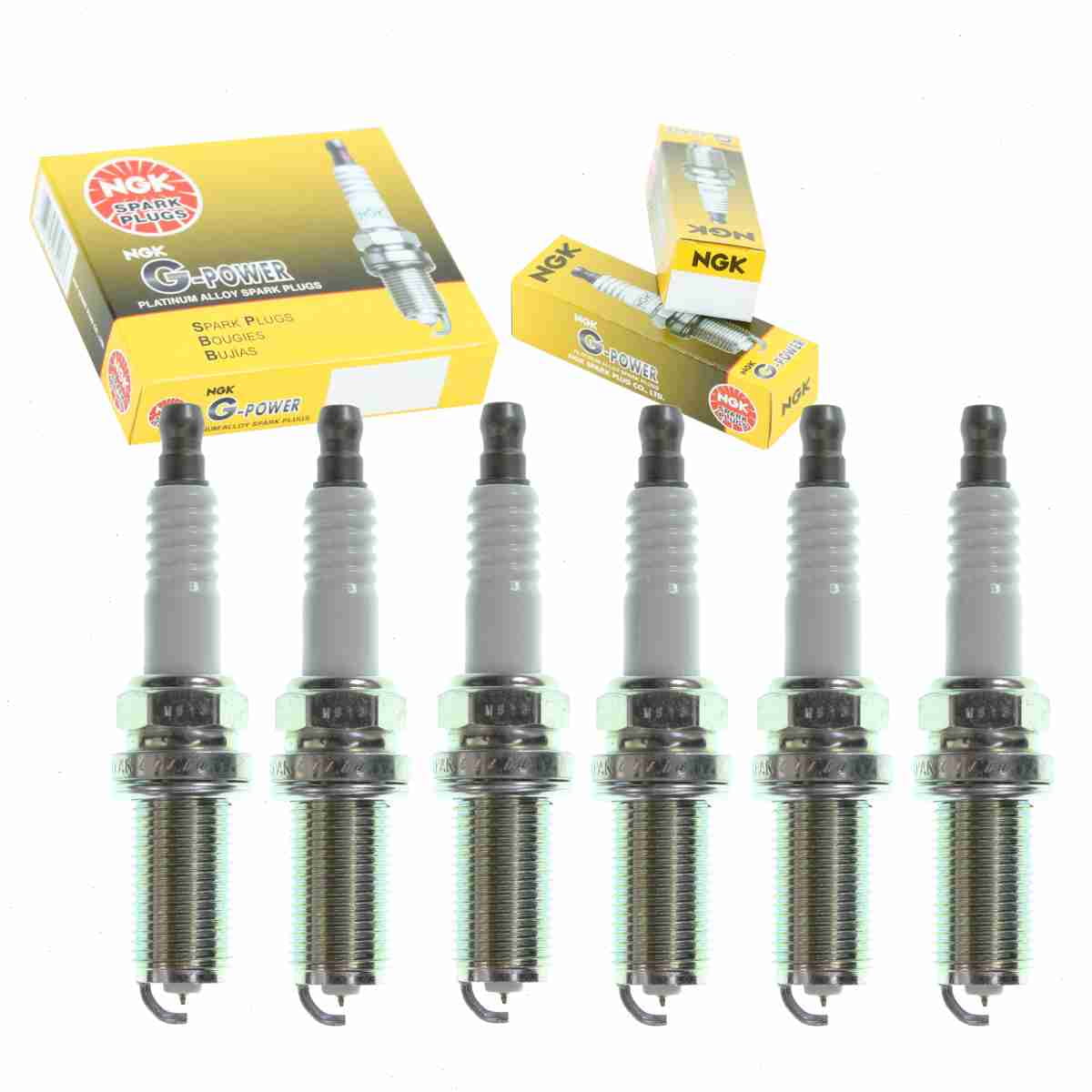
Replacing the spark plugs on your Nissan Xterra is a routine maintenance task that can significantly impact its performance and fuel economy. While a dealership or mechanic can handle this job, many experienced DIYers find it a straightforward and cost-effective project to tackle themselves. Understanding the costs involved, from parts to potential labor, is crucial for making an informed decision. This article breaks down the various cost factors associated with Xterra spark plug replacement, empowering you to budget effectively and potentially save money.
Understanding Spark Plug Function and Replacement Intervals
Before diving into the cost specifics, let's quickly recap the importance of spark plugs. Spark plugs are vital components of the Xterra's internal combustion engine. They deliver the ignition spark needed to ignite the air-fuel mixture in the cylinders, initiating the combustion process that drives the pistons and ultimately, the wheels. Over time, spark plugs degrade due to the extreme temperatures and pressures within the engine.
A degraded spark plug can lead to various problems, including:
- Reduced fuel economy: Inefficient combustion wastes fuel.
- Rough idling: Misfires cause the engine to run unevenly.
- Loss of power: The engine struggles to deliver optimal performance.
- Hard starting: The engine may crank longer before starting.
- Increased emissions: Incomplete combustion releases more pollutants.
- Engine misfires: Severe misfires can trigger the "check engine" light.
Nissan recommends specific spark plug replacement intervals for the Xterra, typically ranging from 60,000 to 100,000 miles, depending on the engine type (usually the 4.0L V6) and the type of spark plugs installed. Always consult your Xterra's owner's manual for the manufacturer's recommended service schedule. Ignoring these intervals can lead to the problems listed above and potentially damage other engine components, such as the catalytic converter.
Factors Affecting Spark Plug Replacement Cost
The overall cost of replacing spark plugs on your Xterra is influenced by several key factors:
1. Type of Spark Plugs
Spark plugs come in various materials, each offering different performance characteristics and lifespans. The most common types are:
- Copper Spark Plugs: These are the most basic and least expensive option. They offer good conductivity but have the shortest lifespan, typically around 30,000 miles. Copper plugs are often the OEM (Original Equipment Manufacturer) choice for older vehicles.
- Platinum Spark Plugs: Platinum plugs feature a platinum-tipped electrode, which provides better durability and a longer lifespan (around 60,000-80,000 miles) compared to copper.
- Double Platinum Spark Plugs: These plugs have platinum on both the center and ground electrodes, further enhancing their lifespan and performance.
- Iridium Spark Plugs: Iridium is an even harder and more durable metal than platinum. Iridium spark plugs offer the longest lifespan (often exceeding 100,000 miles) and provide excellent performance throughout their service life. They are generally the most expensive option.
The price difference between these types can be significant. Copper plugs might cost around $2-5 per plug, while iridium plugs can range from $8-15 or more per plug. Choosing the correct spark plug type for your Xterra is crucial. Using a plug that isn't designed for your engine can lead to performance issues and potentially damage the engine. Consult your owner's manual or a trusted mechanic for the recommended spark plug type. Many Xterras benefit from switching to Platinum or Iridium plugs for extended life.
2. Number of Spark Plugs
The Nissan Xterra, typically equipped with a 4.0L V6 engine, requires six spark plugs. The total cost of the spark plugs will directly depend on the price per plug multiplied by six.
3. Labor Costs (If Not DIY)
If you're not comfortable replacing the spark plugs yourself, you'll need to factor in labor costs. Labor rates vary significantly depending on your location and the mechanic's hourly rate. Dealerships generally charge higher labor rates than independent shops. A typical spark plug replacement job on an Xterra might take between 1 to 2 hours of labor. At an average hourly rate of $80-150, labor costs can range from $80 to $300.
The complexity of the job can also influence labor costs. While spark plug replacement is generally straightforward, certain factors can make it more time-consuming:
- Accessibility: Some spark plugs may be difficult to reach, requiring the removal of other components.
- Corrosion: Corroded spark plugs can be difficult to remove, potentially requiring specialized tools and techniques.
- Broken Spark Plugs: In rare cases, spark plugs can break during removal, significantly increasing the labor time and complexity of the job.
4. Additional Parts and Supplies
In addition to the spark plugs themselves, you may need to purchase some additional parts and supplies:
- Spark Plug Wires (if applicable): While many newer vehicles use coil-on-plug ignition systems, some older Xterra models may still have spark plug wires. If these wires are cracked, brittle, or damaged, they should be replaced along with the spark plugs. A set of spark plug wires can cost between $30 and $80. However, the Xterra 4.0L typically utilizes coil-on-plug, so wires are usually not part of the equation.
- Dielectric Grease: Applying a small amount of dielectric grease to the inside of the spark plug boots helps to prevent corrosion and makes it easier to remove the plugs in the future. A small tube of dielectric grease costs only a few dollars.
- Anti-Seize Compound: Applying a small amount of anti-seize compound to the spark plug threads helps to prevent them from seizing in the cylinder head, making future removal easier. A small tube of anti-seize compound costs only a few dollars.
- Penetrating Oil: If the spark plugs are difficult to remove, penetrating oil can help to loosen them.
5. Location
As previously mentioned, location plays a significant role in determining the overall cost. Labor rates, parts prices, and even taxes can vary considerably from one region to another. Expect to pay more in urban areas with higher costs of living.
Estimating the Total Cost
To give you a better idea of the total cost, let's consider a few scenarios:
Scenario 1: DIY with Copper Spark Plugs
- Spark plugs (6 x $3): $18
- Dielectric grease & anti-seize: $5
- Total: $23
Scenario 2: DIY with Iridium Spark Plugs
- Spark plugs (6 x $12): $72
- Dielectric grease & anti-seize: $5
- Total: $77
Scenario 3: Professional Replacement with Platinum Spark Plugs
- Spark plugs (6 x $8): $48
- Labor (1.5 hours x $100): $150
- Shop Supplies: $10
- Total: $208
These are just estimates, and the actual cost may vary. It's always a good idea to get quotes from several different mechanics before making a decision.
DIY Considerations and Tips
If you're planning to replace the spark plugs yourself, here are a few tips to ensure a smooth and successful job:
- Gather the necessary tools: You'll need a spark plug socket, a socket wrench, an extension, a torque wrench, dielectric grease, anti-seize compound, and potentially penetrating oil.
- Work on a cold engine: Never attempt to remove spark plugs from a hot engine.
- Disconnect the battery: This will prevent any electrical shorts.
- Remove one spark plug at a time: This will help you avoid mixing up the spark plug wires (if applicable).
- Apply dielectric grease to the spark plug boots: This will help to prevent corrosion and make it easier to remove the plugs in the future.
- Apply anti-seize compound to the spark plug threads: This will help to prevent them from seizing in the cylinder head.
- Torque the spark plugs to the correct specification: Over-tightening can damage the cylinder head, while under-tightening can cause leaks. Consult your owner's manual or a repair manual for the correct torque specification. A torque wrench is essential for this step.
- Inspect the old spark plugs: Examining the condition of the old spark plugs can provide valuable insights into the health of your engine. For example, oily spark plugs may indicate worn piston rings.
Conclusion
Replacing the spark plugs on your Nissan Xterra is a relatively simple maintenance task that can significantly improve its performance and fuel economy. By understanding the various cost factors involved, you can make an informed decision about whether to tackle the job yourself or hire a professional. Whether you choose to DIY or pay a mechanic, keeping up with your Xterra's spark plug replacement schedule will help to ensure its longevity and reliability.