
Pictures Of Metal Shavings In Transmission
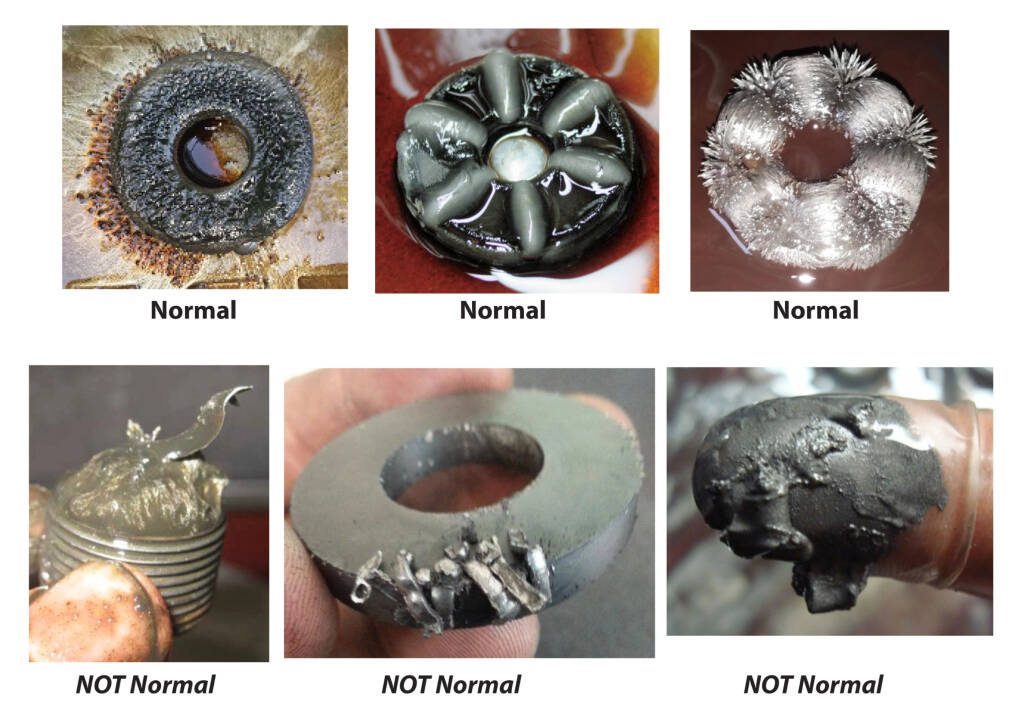
The transmission, the unsung hero of our vehicles, silently orchestrates the complex dance between engine power and wheel rotation. It's a marvel of engineering, a carefully calibrated system of gears, bearings, and clutches all working in harmony. But what happens when this harmony is disrupted? One of the most concerning signs of transmission trouble lies in a seemingly innocuous observation: metal shavings in the transmission fluid.
Finding metal shavings, often discovered during a routine fluid change or internal inspection, is akin to finding a canary in a coal mine. It's an early warning sign, a stark visual indication that something is amiss within the tightly sealed confines of the transmission. Ignoring this signal can lead to catastrophic failure and a significantly lighter wallet.
Understanding the Source: Where Do These Shavings Come From?
Metal shavings aren't conjured out of thin air. They are the direct result of friction and wear within the transmission. The harder and sharper the metal debris is, the more likely it is from bearings or gears being worn down. Here's a breakdown of potential sources:
Gears
The most common culprit. Gears, constantly meshing and transmitting torque, are subject to immense stress. Insufficient lubrication, excessive load, or simply age-related wear can cause the gear teeth to grind against each other, producing fine metallic particles. These particles can range from barely visible glitter-like flakes to larger, more substantial shards depending on the severity of the damage. Excessive heat will cause gears to fail more often than anything else.
Bearings
Bearings, whether ball, roller, or needle bearings, are designed to reduce friction by allowing components to rotate smoothly. They support rotating shafts and gears. Over time, or due to contamination, these bearings can develop pitting, spalling (surface flaking), or even catastrophic failure. The resulting debris can manifest as small, spherical fragments or larger, irregular pieces of metal.
Clutches and Bands (Automatic Transmissions)
Automatic transmissions rely on clutches and bands to engage different gear ratios. Clutches are friction-based devices that connect and disconnect rotating components. Bands wrap around drums to stop or engage specific gears. Wear and tear on these components, often accelerated by overheating or improper fluid levels, can produce friction material mixed with metal particles. This material is generally darker in color.
Valve Body
The valve body is the hydraulic control center of an automatic transmission, directing fluid flow to engage different gears and clutches. It contains intricate channels, valves, and solenoids. A buildup of metal shavings can impede the movement of valves, causing erratic shifting or complete failure of the transmission.
Torque Converter
In automatic transmissions, the torque converter acts as a fluid coupling between the engine and transmission. It contains internal components such as stators, turbines, and impellers. Failure of these components, though less common than gear or bearing issues, can also contribute to metal debris in the fluid. It also contains a lock-up clutch that can wear out.
Analyzing the Evidence: What Do the Shavings Tell You?
The appearance and quantity of metal shavings can provide valuable clues about the nature and severity of the transmission problem. A careful inspection is crucial for diagnosis.
- Size and Shape: Fine, glitter-like shavings often indicate normal wear and tear or early stages of component degradation. Larger, more substantial shards are a clear sign of significant damage, possibly indicating a failing bearing or gear. Long, stringy shavings can result from soft metal being gouged out.
- Color: The color of the shavings can also offer insights. Shiny, silver-colored shavings typically indicate steel or aluminum wear. Dark or black shavings might suggest clutch material or burned friction material. Brass or bronze particles could point to bushing wear.
- Quantity: A small amount of fine shavings in old, high-mileage transmissions might be considered normal. However, a sudden increase in the amount of shavings, or the presence of larger pieces, should raise immediate concern.
It's crucial to remember that simply finding shavings doesn't automatically condemn the transmission to replacement. The severity of the problem needs to be assessed based on other factors, such as the transmission's performance, noise levels, and the overall condition of the fluid.
The Role of Transmission Fluid
Transmission fluid is more than just a lubricant; it's the lifeblood of the transmission. It serves multiple critical functions:
- Lubrication: Reducing friction between moving parts.
- Cooling: Dissipating heat generated by friction.
- Cleaning: Carrying away debris and contaminants.
- Hydraulic Power: Transmitting pressure to operate clutches and valves (automatic transmissions).
- Corrosion Protection: Preventing rust and corrosion of internal components.
Contaminated or degraded transmission fluid loses its effectiveness, accelerating wear and tear. Regular fluid changes, using the correct type of fluid as specified by the manufacturer, are essential for maintaining transmission health. Proper fluid level must also be maintained. Low fluid will starve the transmission for lubricant causing it to fail faster.
Prevention and Mitigation
While some wear and tear is inevitable, several steps can be taken to minimize the risk of excessive metal shavings and transmission failure:
- Regular Fluid Changes: Adhere to the manufacturer's recommended service intervals for transmission fluid changes. Consider more frequent changes if the vehicle is used for heavy-duty applications or subjected to extreme driving conditions.
- Use the Correct Fluid: Always use the transmission fluid specified by the vehicle manufacturer. Different fluids have different properties and are designed to meet the specific requirements of each transmission.
- Avoid Overloading: Avoid exceeding the vehicle's towing capacity or carrying excessive loads. Overloading the transmission puts undue stress on internal components.
- Proper Driving Habits: Avoid harsh acceleration, sudden braking, and frequent gear changes. These driving habits can contribute to premature wear and tear on the transmission.
- Transmission Cooler: Consider installing an auxiliary transmission cooler, especially if the vehicle is used for towing or operates in hot climates. A cooler temperature keeps the fluid from overheating.
- Early Detection: Be attentive to any unusual noises, vibrations, or shifting problems. Addressing potential issues early can prevent them from escalating into major repairs.
What to Do if You Find Shavings
Discovering metal shavings in your transmission fluid warrants immediate attention. Here's a suggested course of action:
- Consult a Qualified Technician: Seek the advice of a trusted mechanic or transmission specialist. They can perform a thorough inspection and provide an accurate diagnosis.
- Fluid Analysis: Consider having the transmission fluid analyzed by a laboratory. This can provide a more detailed breakdown of the types and amounts of contaminants present.
- Internal Inspection: Depending on the severity of the situation, the technician may recommend an internal inspection of the transmission. This involves disassembling the transmission to visually examine the gears, bearings, and other components.
- Repair or Replacement: Based on the diagnosis, the technician will recommend the appropriate course of action, which could range from a simple fluid change and filter replacement to a complete transmission overhaul or replacement.
The decision to repair or replace a transmission depends on several factors, including the extent of the damage, the age and condition of the transmission, and the cost of repairs versus replacement. A skilled technician can provide a fair estimate and explain the pros and cons of each option.
In conclusion, metal shavings in transmission fluid are a serious indicator of potential problems. Early detection, proper maintenance, and prompt attention from a qualified technician are crucial for preventing catastrophic failure and keeping your vehicle running smoothly. Recognizing the telltale signs and understanding the underlying causes empowers you, the vehicle owner, to make informed decisions about the care and maintenance of this vital component of your vehicle.
Ultimately, taking the time to understand the inner workings of your transmission, including the significance of something as seemingly small as metal shavings, can save you significant time, money, and frustration in the long run. It's a testament to the fact that even in the complex world of automotive engineering, a little knowledge can go a long way.