
Power Steering Pump For 2004 Nissan Maxima
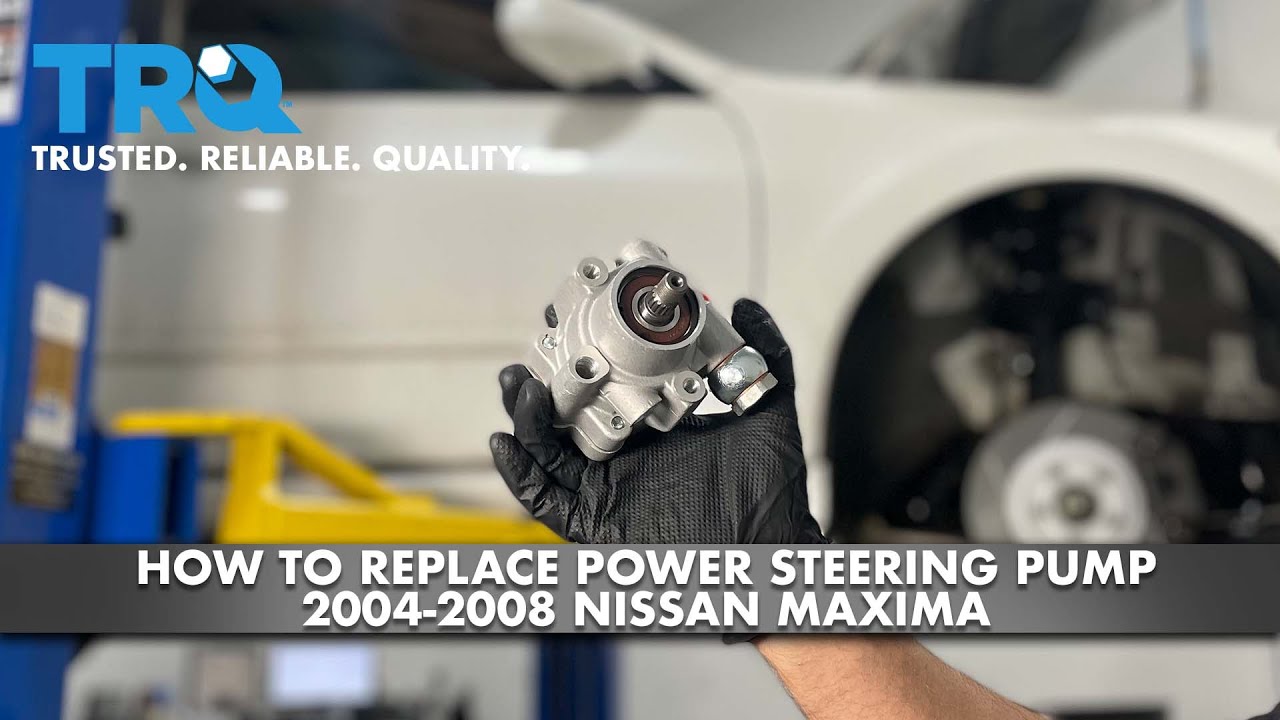
If you're experiencing issues with your 2004 Nissan Maxima's power steering, a failing power steering pump is a likely culprit. Symptoms can range from difficulty steering to loud noises when turning the wheel. This article provides a comprehensive guide to understanding the power steering pump in your 2004 Maxima, potential problems, replacement considerations, and preventative maintenance tips.
Understanding Your 2004 Nissan Maxima's Power Steering System
The power steering system in your 2004 Nissan Maxima is a hydraulic system designed to assist the driver in steering the vehicle. It reduces the effort required to turn the steering wheel, making driving easier and more comfortable, especially at low speeds. The power steering pump is the heart of this system. It's a belt-driven pump located at the front of the engine, typically near the alternator and air conditioning compressor.
Here's a breakdown of the key components:
- Power Steering Pump: This pump is responsible for generating the hydraulic pressure needed to assist steering. It draws power steering fluid from the reservoir and pushes it through the system.
- Power Steering Fluid Reservoir: This reservoir holds the power steering fluid, which is essential for the system's operation. It's usually a translucent plastic container with markings indicating the proper fluid level.
- High-Pressure Hose: This hose carries the high-pressure fluid from the pump to the steering gear.
- Low-Pressure Return Hose: This hose returns the fluid from the steering gear back to the reservoir.
- Steering Gear (Rack and Pinion): The steering gear uses the hydraulic pressure to assist in turning the wheels.
- Power Steering Belt: This belt, driven by the engine, powers the power steering pump.
Symptoms of a Failing Power Steering Pump in a 2004 Nissan Maxima
Recognizing the symptoms of a failing power steering pump early can help you prevent further damage to the system and avoid potentially dangerous driving situations. Here are some common signs:
- Difficulty Steering: This is the most obvious symptom. You may notice it takes more effort than usual to turn the steering wheel, especially at low speeds. The steering might feel stiff or unresponsive.
- Loud Noises: A whining, groaning, or squealing noise coming from the engine compartment, especially when turning the steering wheel, is a strong indication of a pump problem. The noise often gets louder as the engine speed increases.
- Jerky Steering: The steering wheel might feel jerky or inconsistent, rather than smooth and fluid. This can be particularly noticeable when making small adjustments to your steering.
- Foaming Power Steering Fluid: If the fluid in the reservoir appears foamy or milky, it could indicate air is entering the system due to a leak in the pump or hoses.
- Leaking Power Steering Fluid: Puddles of reddish-brown fluid under the front of your car, near the engine, could be power steering fluid leaks. Check the pump, hoses, and reservoir for any visible leaks.
- Complete Loss of Power Steering: In severe cases, the power steering pump may fail completely, resulting in a total loss of power steering assist. This makes steering extremely difficult and requires significant effort.
If you experience any of these symptoms, it's crucial to have your power steering system inspected by a qualified mechanic as soon as possible.
Diagnosing the Problem: Is it Really the Power Steering Pump?
While the symptoms above often point to a failing power steering pump, it's essential to properly diagnose the problem before replacing the pump. Other components in the system can cause similar symptoms. A mechanic will typically perform the following checks:
- Visual Inspection: The mechanic will inspect the pump, hoses, and reservoir for leaks, cracks, or other damage. They will also check the condition of the power steering belt.
- Fluid Level Check: Low power steering fluid can cause noise and difficulty steering. The mechanic will check the fluid level and top it off if necessary.
- Fluid Condition Check: The mechanic will examine the fluid for contamination or signs of deterioration. Dark, dirty, or burnt-smelling fluid can indicate a problem.
- Pressure Test: A pressure gauge can be used to test the pump's output pressure. A low pressure reading indicates a failing pump.
- Belt Inspection: A worn, loose, or cracked belt can cause the pump to not operate efficiently.
Proper diagnosis is crucial to avoid replacing a perfectly good power steering pump and wasting time and money.
Replacing the Power Steering Pump on a 2004 Nissan Maxima
Replacing the power steering pump is a moderately complex repair. While some experienced DIYers may be able to handle the job, it's generally recommended to have it done by a professional mechanic. This is because it requires specialized tools, knowledge of the system, and proper bleeding procedures to ensure the system operates correctly.
Here's a general overview of the replacement process:
- Disconnect the Battery: This is a crucial safety step to prevent electrical shorts.
- Drain the Power Steering Fluid: Disconnect the return hose from the reservoir and drain the fluid into a container.
- Remove the Serpentine Belt: Loosen the tensioner pulley and remove the serpentine belt that drives the pump.
- Disconnect the Hoses: Disconnect the high-pressure and low-pressure hoses from the pump. Be prepared for some fluid spillage.
- Remove the Pump: Unbolt the pump from the engine and carefully remove it.
- Install the New Pump: Install the new pump in the reverse order of removal. Make sure to properly align the pump and tighten the bolts to the correct torque specifications.
- Connect the Hoses: Reconnect the high-pressure and low-pressure hoses.
- Install the Serpentine Belt: Reinstall the serpentine belt and adjust the tensioner pulley to the correct tension.
- Fill the Reservoir: Fill the power steering fluid reservoir with the correct type of fluid (refer to your owner's manual).
- Bleed the System: Bleeding the system is essential to remove air from the lines. This typically involves turning the steering wheel lock-to-lock several times while monitoring the fluid level in the reservoir. Add fluid as needed.
- Check for Leaks: Start the engine and check for any leaks around the pump and hoses.
Important Considerations:
- Use the Correct Fluid: Using the wrong type of power steering fluid can damage the pump and other components. Consult your owner's manual or a reputable parts store to ensure you're using the correct fluid for your 2004 Nissan Maxima.
- Bleed the System Thoroughly: Improper bleeding can lead to noise, difficulty steering, and premature pump failure.
- Torque Specifications: Tighten all bolts to the correct torque specifications to prevent leaks and ensure proper operation.
Choosing a Replacement Power Steering Pump
When replacing your 2004 Nissan Maxima's power steering pump, you have several options:
- New OEM (Original Equipment Manufacturer) Pump: These pumps are made by the same manufacturer that supplied the original pump for your vehicle. They are typically the most expensive option but offer the best quality and reliability.
- New Aftermarket Pump: These pumps are made by third-party manufacturers. They are generally less expensive than OEM pumps but can vary in quality. Choose a reputable brand with a good warranty.
- Remanufactured Pump: These pumps are rebuilt and tested. They are a more economical option than new pumps and can offer good performance. Look for a remanufactured pump with a warranty.
- Used Pump: While the cheapest option, buying a used pump is generally not recommended, as its history and condition are unknown. You risk buying a pump that will fail shortly after installation.
Consider your budget and the expected lifespan of your vehicle when choosing a replacement pump. Investing in a higher-quality pump can save you money in the long run by preventing future repairs.
Preventative Maintenance for Your Power Steering System
Proper maintenance can extend the life of your power steering pump and prevent costly repairs. Here are some tips:
- Check the Fluid Level Regularly: Check the power steering fluid level at least once a month and top it off as needed.
- Inspect the Fluid Condition: Check the fluid for contamination or signs of deterioration. If the fluid is dark, dirty, or burnt-smelling, have it flushed and replaced.
- Check the Belt: Inspect the power steering belt for wear and tear. Replace it if it's cracked, worn, or frayed.
- Avoid "Locking" the Steering Wheel: Repeatedly holding the steering wheel at full lock can put excessive strain on the pump.
- Address Leaks Promptly: Repair any leaks in the system as soon as possible to prevent fluid loss and pump damage.
- Consider a Power Steering Fluid Flush: Every few years, consider having a professional power steering fluid flush performed to remove contaminants and ensure optimal system performance.
By following these maintenance tips, you can help keep your 2004 Nissan Maxima's power steering system operating smoothly and reliably for years to come. A healthy power steering pump ensures comfortable and safe driving.
Disclaimer: This article provides general information and should not be considered a substitute for professional advice. Always consult with a qualified mechanic for any vehicle repairs.