
Que Significa Hold En El Tablero Del Carro
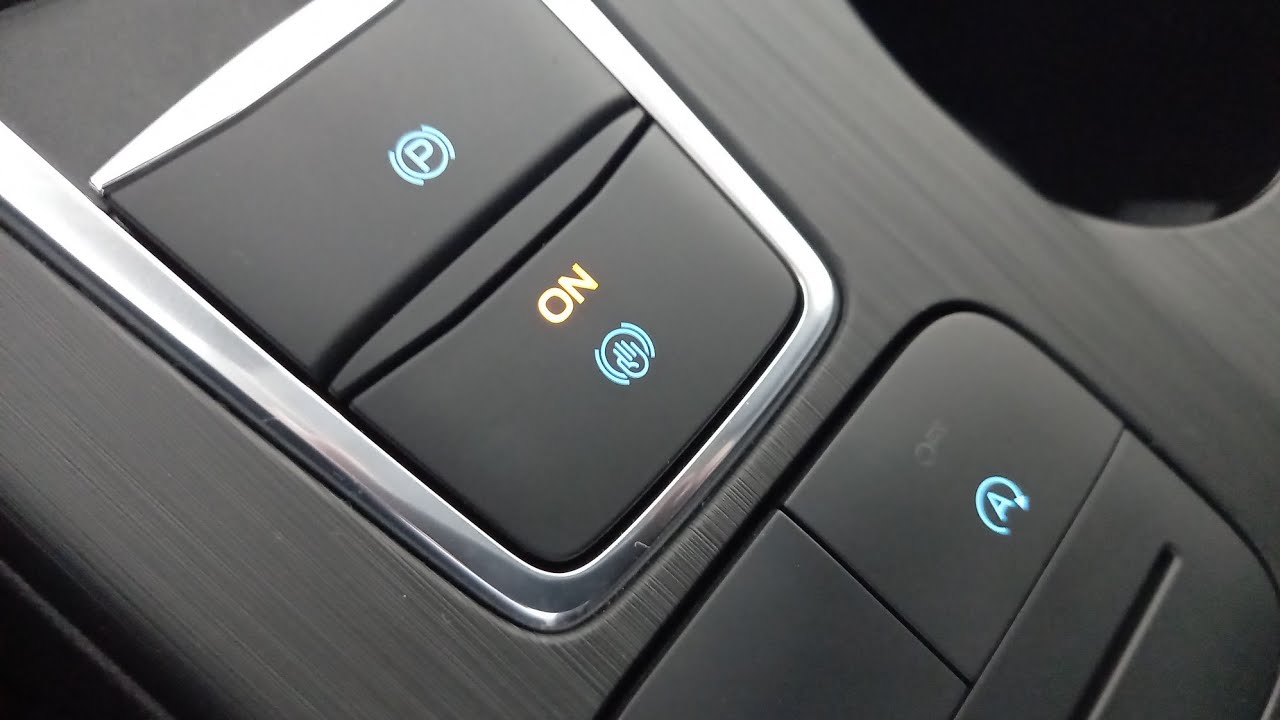
The enigmatic "HOLD" light on your car's dashboard can be a source of confusion and anxiety. While the exact behavior it signifies can vary subtly between manufacturers and models, it generally points to an issue with the vehicle's automatic transmission. This article will delve into the nuances of the "HOLD" light, exploring its common causes, diagnostic steps, and preventative measures. We'll approach this from a technical standpoint, appealing to curious readers and amateur engineers keen to understand the inner workings of their vehicles.
Understanding the "HOLD" Indicator
The "HOLD" light is predominantly associated with older automatic transmissions, particularly those manufactured from the late 1980s through the 2000s. While more modern vehicles might use different terminology or icons to indicate transmission problems, the function served by the "HOLD" light remains relevant in understanding transmission control systems. It's important to consult your vehicle's owner's manual for the specific meaning of the indicator in your particular make and model.
Generally, when the "HOLD" light illuminates, it signifies one of the following scenarios:
- Transmission Problem: This is the most common and overarching reason. The transmission control unit (TCU) has detected a fault within the transmission system. This fault could range from a sensor malfunction to a more serious mechanical issue.
- Limp Mode Activation: In some cases, the "HOLD" light accompanies the activation of a "limp mode". Limp mode is a safety mechanism designed to protect the transmission from further damage by limiting its functionality. This usually involves restricting the transmission to a single gear, often third, and reducing engine power.
- Overdrive Deactivation: On some vehicles, the "HOLD" light may indicate that the overdrive function has been disabled. Overdrive is a gear ratio designed to improve fuel efficiency at highway speeds. Disabling it can increase engine RPMs and fuel consumption.
- Driver-Initiated Hold Function (rare): Certain vehicles may have a dedicated "HOLD" button designed to provide enhanced traction in slippery conditions. When activated, the "HOLD" light illuminates, indicating that the transmission is programmed to start in a higher gear (e.g., second gear) to reduce wheel spin. This feature is much less common today.
Common Causes of the "HOLD" Light Illumination
Pinpointing the exact cause requires a methodical approach. Here are some of the most frequent culprits:
1. Sensor Malfunctions
Automatic transmissions rely on a suite of sensors to monitor various parameters, including:
- Transmission Fluid Temperature (TFT) Sensor: Monitors the temperature of the transmission fluid. Overheating can severely damage the transmission.
- Input Speed Sensor (ISS): Measures the speed of the transmission's input shaft, which is connected to the engine.
- Output Speed Sensor (OSS): Measures the speed of the transmission's output shaft, which is connected to the driveshaft and wheels.
- Throttle Position Sensor (TPS): Though not directly part of the transmission, the TPS signal is crucial for the TCU to determine the engine's load and adjust shift points accordingly.
A faulty sensor can send incorrect data to the TCU, leading to incorrect shift patterns or the activation of limp mode. Diagnosing sensor problems often requires a scan tool to read diagnostic trouble codes (DTCs).
2. Solenoid Issues
Solenoids are electrically controlled valves that direct hydraulic fluid within the transmission to engage different gears. A malfunctioning solenoid can prevent the transmission from shifting correctly.
Testing solenoids often involves measuring their resistance and checking for proper electrical signals. A faulty solenoid may need to be replaced.
3. Transmission Fluid Problems
The condition and level of transmission fluid are critical to the transmission's proper operation. Low fluid levels can cause slippage and overheating. Contaminated fluid can clog valve bodies and damage internal components. Old, degraded fluid loses its lubricating and cooling properties.
Regularly checking and replacing transmission fluid according to the manufacturer's recommendations is crucial for maintaining transmission health.
4. Wiring Harness and Connector Issues
Damaged wiring or corroded connectors can disrupt the signals between the sensors, solenoids, and the TCU. This can trigger the "HOLD" light and lead to various transmission problems.
Visually inspecting the wiring harness for damage and using a multimeter to check for continuity are essential steps in diagnosing wiring-related issues.
5. Mechanical Problems
In more serious cases, the "HOLD" light may indicate a mechanical problem within the transmission itself, such as:
- Worn clutches or bands: These components are responsible for engaging and disengaging gears. Wear and tear can lead to slippage and poor shifting.
- Valve body issues: The valve body is the "brain" of the transmission, directing hydraulic fluid to the appropriate components. Malfunctions within the valve body can cause erratic shifting or prevent the transmission from shifting at all.
- Torque converter problems: The torque converter connects the engine to the transmission. Internal damage can lead to reduced power transfer and overheating.
Diagnosing mechanical problems often requires a more in-depth inspection and may necessitate transmission removal and disassembly.
Diagnostic Steps
When the "HOLD" light illuminates, follow these diagnostic steps:
- Check the Owner's Manual: The manual provides specific information about the "HOLD" light for your vehicle model.
- Visual Inspection: Check for any obvious signs of damage, such as fluid leaks or frayed wires.
- Check Transmission Fluid Level and Condition: Use the dipstick to check the fluid level and examine its color and smell. It should be bright red and not smell burnt.
- Use a Scan Tool: Connect a scan tool to the OBD-II port and read any diagnostic trouble codes (DTCs). These codes provide valuable clues about the source of the problem.
- Research DTCs: Consult repair manuals or online resources to understand the meaning of the DTCs and their possible causes.
- Perform Component Testing: Based on the DTCs, perform specific tests on sensors, solenoids, and wiring harnesses using a multimeter and other diagnostic tools.
Preventative Maintenance
The best way to avoid transmission problems and the dreaded "HOLD" light is to perform regular preventative maintenance:
- Regular Transmission Fluid Changes: Follow the manufacturer's recommended fluid change intervals.
- Inspect for Leaks: Regularly check for transmission fluid leaks. Address any leaks promptly.
- Avoid Harsh Driving: Minimize aggressive acceleration and hard braking, which can put extra stress on the transmission.
- Proper Towing Practices: If towing, follow the manufacturer's recommendations for towing capacity and use the correct towing mode if equipped.
Conclusion
The "HOLD" light serves as a warning sign that something is amiss within your vehicle's automatic transmission. While it can be alarming, a methodical approach to diagnosis and repair can help you resolve the issue and prevent further damage. Remember that complex transmission repairs are best left to qualified technicians with specialized tools and knowledge. By understanding the function of the "HOLD" light, its common causes, and preventative measures, you can increase your chances of maintaining a healthy and reliable transmission.