
Talleres Mecánicos Especialistas En Nissan
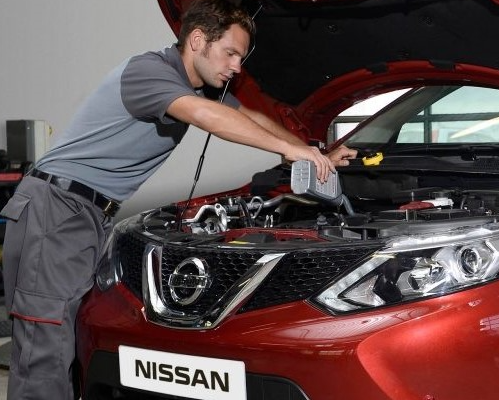
Nissan vehicles, from the reliable Sentra to the performance-oriented Z, are known for their engineering and, with proper care, longevity. But even the most well-engineered machines require expert attention. This article delves into the world of specialized Nissan repair shops – Talleres Mecánicos Especialistas En Nissan – what sets them apart, and what you should look for when entrusting your Nissan to their care.
Why Choose a Nissan Specialist?
While any competent mechanic can theoretically work on a Nissan, choosing a specialist offers several distinct advantages:
- Deep Diagnostic Expertise: Nissan specialists possess in-depth knowledge of Nissan's specific systems and common problem areas. They're more likely to quickly and accurately diagnose issues, saving you time and money. They understand the nuances of the Consult-II/III diagnostic systems, which are proprietary to Nissan.
- Specialized Tools and Equipment: These shops often invest in specialized tools and equipment designed specifically for Nissan vehicles. This can include advanced diagnostic scanners, factory-specific service tools, and even specialized lifts optimized for Nissan chassis.
- Genuine Nissan Parts (or High-Quality Alternatives): Specialist shops typically prioritize using Genuine Nissan Parts, ensuring optimal performance and reliability. They also often have established relationships with reputable aftermarket parts suppliers, offering high-quality alternatives when appropriate, and advising on the best choice for your needs and budget.
- Up-to-Date Training and Technical Resources: Nissan specialists prioritize ongoing training to stay current with the latest Nissan technologies and repair procedures. They have access to technical service bulletins (TSBs), recall information, and wiring diagrams specific to Nissan vehicles.
- Familiarity with Nissan-Specific Issues: Every manufacturer has its quirks. Nissan specialists are intimately familiar with common problems like timing chain issues in certain VQ-series engines, CVT transmission failures, or electrical gremlins in specific models. This familiarity translates to quicker diagnosis and more effective repairs.
Areas of Specialization
Within the broader category of Nissan specialists, some shops further specialize in specific areas:
Engine Repair and Performance
This area focuses on the internal combustion engine (ICE) and its related systems. Look for specialists who:
- Are experienced with Nissan's range of engines, from the QR25DE to the VR30DDTT.
- Understand valve timing, compression testing, and cylinder head repair.
- Can diagnose and repair issues like oil leaks, misfires, and overheating.
- Offer performance upgrades, such as ECU tuning, intake modifications, and exhaust systems (if desired). Remember to consider the legal implications and potential impact on emissions when modifying your vehicle.
Transmission and Drivetrain
This area covers the transmission (automatic or manual), axles, differentials, and transfer case (for 4WD vehicles). Key aspects to consider:
- Experience with Nissan's various transmission types, including automatics (like the Jatco RE-series) and manuals (like the CD009).
- Specialized knowledge of Nissan's Continuously Variable Transmissions (CVTs) and their specific maintenance requirements (fluid changes are crucial!).
- Ability to diagnose and repair issues like slipping gears, harsh shifting, and differential noises.
- Expertise in replacing clutches, rebuilding transmissions, and servicing differentials.
Suspension and Steering
A well-maintained suspension and steering system is critical for handling, safety, and ride comfort. Look for specialists who:
- Understand Nissan's suspension designs, including struts, shocks, springs, and control arms.
- Can diagnose and repair issues like worn ball joints, tie rod ends, and bushings.
- Offer alignment services using modern alignment racks. A proper alignment is essential after any suspension work.
- Can install and adjust aftermarket suspension components, such as coilovers and lowering springs.
- Are familiar with Nissan's electronic power steering (EPS) systems.
Brakes
Brakes are paramount for safety. A good specialist will:
- Be experienced with Nissan's brake systems, including disc brakes, drum brakes, and anti-lock braking systems (ABS).
- Can diagnose and repair issues like brake fade, squealing brakes, and ABS malfunctions.
- Offer brake pad and rotor replacement services.
- Can bleed brake lines and replace brake fluid.
- Be knowledgeable about performance brake upgrades, such as larger rotors and calipers.
Electrical Systems
Modern Nissans rely heavily on complex electrical systems. Finding a specialist is crucial for:
- Diagnosing and repairing electrical problems using diagnostic scanners and multimeters.
- Troubleshooting wiring harnesses and connectors.
- Repairing or replacing sensors, actuators, and control modules.
- Understanding Nissan's CAN bus network and other communication protocols.
What to Look For in a Nissan Specialist Shop
When choosing a Nissan specialist shop, consider the following factors:
- Certifications: Look for shops with ASE (Automotive Service Excellence) certifications, particularly in areas relevant to your Nissan's needs. While not Nissan-specific, ASE certifications demonstrate a mechanic's competence.
- Experience: Inquire about the shop's experience working on Nissan vehicles, especially your specific model. A shop with years of experience is more likely to have encountered and successfully resolved similar issues.
- References and Reviews: Check online reviews and ask for references from other Nissan owners. Positive reviews and satisfied customers are a good indication of a shop's quality of work and customer service.
- Warranty: Inquire about the shop's warranty policy on parts and labor. A reputable shop will stand behind its work and offer a reasonable warranty.
- Communication: A good mechanic will communicate clearly with you about the diagnosis, repair options, and costs involved. They should be willing to answer your questions and explain the technical aspects of the repair in a way that you can understand.
- Cleanliness and Organization: A clean and organized shop is often a sign of professionalism and attention to detail.
Understanding Nissan's Diagnostic Systems: Consult-II/III
Nissan utilizes a proprietary diagnostic system called Consult. Earlier models use Consult-II, while newer models use Consult-III (and now Consult-IV is emerging). These systems allow technicians to communicate directly with the vehicle's onboard computers, retrieving diagnostic trouble codes (DTCs), monitoring live data streams, and performing system tests. Understanding Consult is essential for accurate diagnosis.
Diagnostic Trouble Codes (DTCs): These are codes stored in the vehicle's computer memory that indicate a problem with a specific system or component. Common examples include P0300 (Random Misfire Detected) or P0420 (Catalyst System Efficiency Below Threshold). A Nissan specialist will be able to accurately interpret these codes and identify the root cause of the problem.
Live Data Streams: Consult allows technicians to monitor real-time data from various sensors and systems, such as engine temperature, fuel trim, and sensor voltages. This information can be invaluable for diagnosing intermittent problems or performance issues.
System Tests: Consult also allows technicians to perform specific tests on various systems, such as activating fuel injectors, testing the EGR valve, or running the ABS pump. These tests can help isolate faulty components.
Maintaining Your Nissan for Longevity
Preventive maintenance is key to keeping your Nissan running smoothly and avoiding costly repairs. Follow these tips:
- Regular Oil Changes: Use the correct type of oil and change it according to the manufacturer's recommendations. Synthetic oil is generally recommended for newer Nissans.
- Fluid Checks: Regularly check and top off all fluids, including coolant, brake fluid, power steering fluid, and transmission fluid.
- Filter Replacements: Replace air filters, fuel filters, and cabin air filters at the recommended intervals.
- Tire Maintenance: Maintain proper tire pressure and rotate your tires regularly to ensure even wear.
- Brake Inspections: Have your brakes inspected regularly to ensure they are in good working order.
- Timing Belt/Chain Service: Follow the manufacturer's recommendations for timing belt or chain replacement. Failure to do so can result in catastrophic engine damage.
- CVT Fluid Changes (if applicable): This is critical for CVT longevity. Follow Nissan's severe-duty maintenance schedule for CVT fluid changes, even if you don't drive aggressively.
By choosing a qualified Nissan specialist and following a regular maintenance schedule, you can keep your Nissan running reliably for years to come.