
How To Remove Mold Car Interior
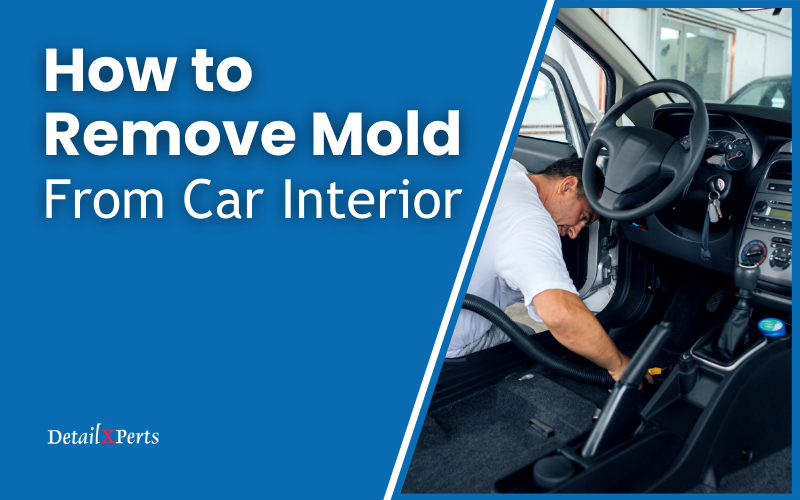
Mold in your car isn't just unsightly; it's a health hazard and can degrade your car's interior components. Understanding how to safely and effectively remove it is crucial for maintaining both the value and the air quality inside your vehicle. This guide provides a step-by-step approach for intermediate car owners, modders, and DIY mechanics.
Understanding Mold Growth in Vehicles
Before diving into the removal process, it's essential to understand why mold thrives in car interiors. Mold spores are everywhere, but they need three things to flourish: moisture, a food source (organic material), and a warm, dark environment. Car interiors, particularly those with fabric upholstery and carpeting, can become breeding grounds when leaks, spills, or condensation provide the necessary moisture. Think of spilled drinks, tracked-in mud, or a leaky sunroof as prime culprits. Ignoring these issues leads to the rapid proliferation of mold colonies.
Essential Tools and Materials
Having the right tools and materials will significantly impact the effectiveness and safety of your mold removal process. Here's a comprehensive list:
- Personal Protective Equipment (PPE): A respirator (N95 or higher), gloves (nitrile or rubber), and eye protection are non-negotiable. Mold spores are irritants and potential allergens; direct contact or inhalation can cause respiratory problems.
- Wet/Dry Vacuum: A powerful vacuum with a HEPA (High-Efficiency Particulate Air) filter is vital for removing loose mold spores and debris. Regular vacuums can recirculate spores, exacerbating the problem.
- Mold-Specific Cleaning Solutions: While bleach is a common household cleaner, it's not always the best choice for car interiors. It can damage some materials and isn't effective at killing mold on porous surfaces. Look for commercial mold and mildew removers specifically formulated for automotive interiors. Alternative options include a solution of white vinegar and water (50/50) or a borax and water solution.
- Spray Bottles: For applying cleaning solutions.
- Microfiber Cloths: Essential for wiping down surfaces without leaving lint or residue. Use plenty of cloths and discard them frequently.
- Stiff-Bristled Brush: For scrubbing stubborn mold stains on carpets and upholstery.
- Detailing Brushes: For reaching tight spaces and crevices.
- Steam Cleaner (Optional): A steam cleaner can be highly effective at killing mold and sanitizing surfaces, but use it cautiously on sensitive materials.
- Ozone Generator (Optional): For eliminating lingering odors and killing airborne mold spores. Use with extreme caution and according to manufacturer instructions, as ozone can be harmful to humans and animals. The vehicle must be unoccupied during use.
- Dehumidifier: After cleaning, a dehumidifier will help dry out the interior and prevent mold from returning.
Step-by-Step Mold Removal Process
- Safety First: Put on your respirator, gloves, and eye protection. Work in a well-ventilated area. If possible, open all car doors and windows.
- Initial Vacuuming: Thoroughly vacuum the entire car interior, paying close attention to areas with visible mold growth. Use the crevice tool to reach tight spaces and under seats. Empty the vacuum canister outdoors immediately after use.
- Apply Cleaning Solution: Spray the affected areas with your chosen mold-specific cleaner. Don't oversaturate the surfaces; damp is sufficient.
- Scrub and Wipe: Use a stiff-bristled brush to scrub mold stains on carpets and upholstery. For hard surfaces, use a microfiber cloth to wipe down the area. Rinse the brush and cloths frequently.
- Steam Cleaning (Optional): If using a steam cleaner, follow the manufacturer's instructions carefully. Apply steam to the affected areas in short bursts to avoid damaging the materials.
- Rinse and Dry: If you used a cleaning solution that requires rinsing, use a clean, damp microfiber cloth to remove any residue. Thoroughly dry the cleaned areas with clean, dry microfiber cloths.
- Ozone Treatment (Optional): If using an ozone generator, follow the manufacturer's instructions precisely. The car must be unoccupied during the treatment. After the treatment, ventilate the car thoroughly before entering.
- Final Vacuuming: Once everything is dry, vacuum the entire interior again to remove any remaining spores or debris.
- Dehumidify: Place a dehumidifier inside the car for several hours (or overnight) to remove any residual moisture.
- Inspect and Repeat: After a day or two, inspect the cleaned areas for any signs of mold regrowth. If necessary, repeat the cleaning process.
Addressing the Source of Moisture
Removing the mold is only half the battle. You must identify and address the source of moisture that allowed the mold to grow in the first place. Common sources include:
- Leaks: Check for leaks around windows, doors, sunroofs, and the windshield. Water stains on the headliner are a telltale sign.
- Spills: Clean up spills immediately and thoroughly. Use a wet/dry vacuum to remove any remaining liquid.
- Condensation: Ensure your car's ventilation system is working properly. Use the air conditioner to dehumidify the air inside the car.
- Wet Carpets: Check under the floor mats for dampness. If the carpets are wet, remove them and dry them thoroughly. Inspect the floorboards for rust.
- Clogged Drain Vents: Many cars have drain vents under the hood and around the sunroof that can become clogged with debris. Clear these vents regularly to prevent water from pooling.
Troubleshooting
- Persistent Odor: If you still smell mold after cleaning, it could be trapped deeper in the upholstery or carpeting. Consider professional detailing or replacing the affected materials.
- Stubborn Stains: Some mold stains are difficult to remove completely. Try using a specialized stain remover specifically designed for mold.
- Mold Returning Quickly: If mold returns shortly after cleaning, it indicates that the moisture source has not been addressed. Re-evaluate your car for leaks or condensation issues.
- Material Damage: Certain cleaning solutions can damage sensitive materials like leather or vinyl. Always test the solution in an inconspicuous area first.
Safety Precautions
Mold removal can involve handling potentially hazardous substances. Prioritize safety:
- Always wear appropriate PPE (respirator, gloves, eye protection).
- Work in a well-ventilated area.
- Avoid prolonged exposure to mold spores.
- Dispose of contaminated materials properly (e.g., in a sealed bag).
- If using bleach, follow the manufacturer's instructions carefully and never mix it with ammonia.
- Use ozone generators with extreme caution and only according to the manufacturer's instructions.
Professional Help
For severe mold infestations or if you're uncomfortable handling the removal process yourself, consider hiring a professional detailing service that specializes in mold remediation. They have the expertise and equipment to effectively remove mold and prevent its recurrence.
We have a detailed diagram illustrating common mold growth areas in car interiors, as well as ventilation system schematics to help locate potential moisture sources. Contact us to download the file.