
03 Ford Focus Serpentine Belt Diagram
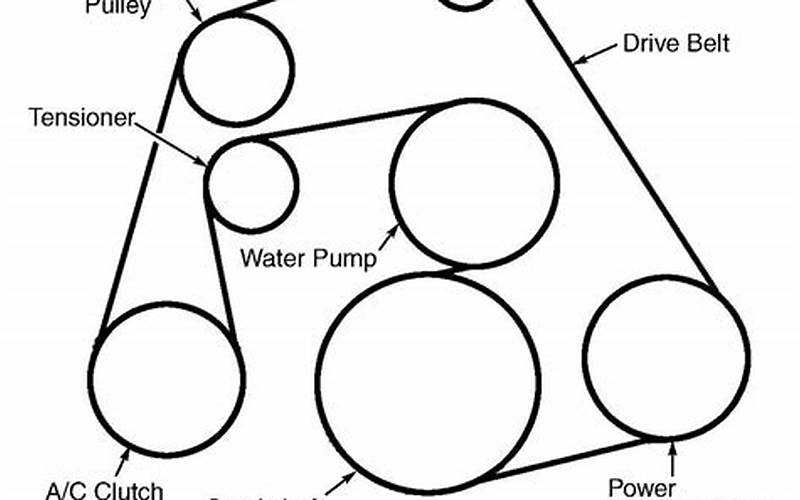
Alright, let's dive into the serpentine belt diagram for your 2003 Ford Focus. This seemingly simple component is actually a critical player in your engine's operation, and understanding its layout is essential for everything from routine maintenance to diagnosing more complex problems. This isn't just about replacing a worn belt; it's about understanding how the belt drives various accessories and ensuring everything is properly aligned and tensioned for optimal performance. We have a detailed, downloadable diagram ready for you at the end of this article, so stick around.
Why Bother with the Serpentine Belt Diagram?
The serpentine belt diagram isn't just a pretty picture; it's your roadmap for several important tasks:
- Belt Replacement: The most obvious reason. Knowing the exact routing is crucial when installing a new belt, especially if the old one has snapped and you can't see its original path.
- Accessory Diagnosis: If your power steering is failing, your AC isn't blowing cold, or your alternator isn't charging, a misaligned or damaged belt could be the culprit. The diagram helps you visually inspect the belt's contact with each pulley.
- Tensioner Check: The diagram helps you locate and understand the role of the belt tensioner. This component maintains the correct tension on the belt, and a faulty tensioner can lead to belt slippage and accessory failure.
- Learning Engine Layout: For those who enjoy tinkering, the diagram provides a basic understanding of the engine's accessory layout. It helps you identify the components driven by the belt and their relative positions.
Key Specs and Main Parts of the 2003 Ford Focus Serpentine Belt System
The 2003 Ford Focus, depending on the engine (typically the 2.0L Zetec or the 2.0L SVT), utilizes a single serpentine belt to drive the following accessories:
- Crankshaft Pulley: The heart of the system. This pulley is directly connected to the engine's crankshaft and provides the rotational force to drive the belt.
- Alternator: Charges the battery and provides power to the electrical system.
- Power Steering Pump: Provides hydraulic assistance for steering.
- Air Conditioning Compressor: Compresses refrigerant to cool the cabin.
- Idler Pulley(s): Smooth, non-driven pulleys used to guide the belt and increase its wrap around other pulleys.
- Belt Tensioner: A spring-loaded pulley that automatically maintains the correct tension on the belt. The tensioner usually has a square hole or bolt head for applying leverage to relieve tension during belt installation and removal.
Belt Length: The exact belt length varies depending on the engine and options (like AC). Check your owner's manual or a reputable auto parts store for the correct part number for your specific 2003 Ford Focus configuration.
Belt Material: Serpentine belts are typically made from EPDM (Ethylene Propylene Diene Monomer) rubber, which is resistant to heat, cracking, and wear. However, they still need to be inspected and replaced periodically.
Decoding the Serpentine Belt Diagram: Symbols and Markings
Serpentine belt diagrams aren't complex, but understanding the symbols is key to interpreting them correctly:
- Solid Lines: Represent the path of the serpentine belt itself. Follow the line to see how the belt wraps around each pulley.
- Pulley Symbols: Each pulley is represented by a circle. Some diagrams might label each circle with the accessory it drives (e.g., "ALT" for Alternator, "P/S" for Power Steering).
- Arrows: Indicate the direction of belt rotation. It's crucial to ensure the belt is routed correctly, or the accessories won't function properly.
- Tensioner Symbol: The tensioner is often depicted with a spring symbol to indicate its spring-loaded mechanism. It may also have an arrow showing the direction it pivots to maintain tension.
While colors aren't universally used, some diagrams might use them to differentiate sections of the belt run or highlight specific components. Pay attention to any legend or key provided with the diagram.
How the Serpentine Belt System Works
The serpentine belt system is a clever design that allows a single belt to drive multiple engine accessories. The crankshaft pulley, driven by the engine, spins the serpentine belt. The belt, in turn, wraps around the pulleys of the alternator, power steering pump, AC compressor, and any idler pulleys. The belt tensioner ensures the belt remains taut, preventing slippage and maximizing the transfer of power to each accessory. This constant rotation of the accessories is essential for their proper function.
Think of it like a train: the crankshaft pulley is the engine pulling the train (the belt), and the accessories are the cars being pulled along. If the train loses tension (belt slippage), some of the cars (accessories) might not arrive at their destination on time (malfunctioning).
Real-World Troubleshooting with the Serpentine Belt
Here are some common problems and how the diagram can help you troubleshoot:
- Squealing Noise: A common symptom of a worn, glazed, or loose belt. Check the diagram to ensure the belt is properly routed and the tensioner is functioning correctly. Inspect the belt for cracks, fraying, or missing chunks.
- Accessory Failure: If your power steering fails or your AC stops working, use the diagram to verify the belt is still intact and properly engaging the respective pulleys. A broken belt will obviously stop all accessories from working.
- Battery Not Charging: If the alternator pulley isn't spinning properly due to a loose or damaged belt, the battery won't charge. The diagram helps you verify the belt's contact with the alternator pulley.
Quick Tip: A simple test for belt slippage is to spray a small amount of belt dressing on the belt while the engine is running (with caution – see safety section below). If the squealing stops temporarily, it confirms belt slippage is the issue.
Safety First! Highlighting Risky Components
Working around a running engine requires caution. Here are some crucial safety considerations:
- Never work on the serpentine belt system with the engine running unless absolutely necessary for diagnostic purposes, and even then, exercise extreme caution.
- Keep hands, hair, and clothing away from the moving belt and pulleys. These components can cause serious injury.
- Disconnect the negative battery cable before starting any work to prevent accidental electrical shocks.
- Wear safety glasses to protect your eyes from debris.
- Be aware of hot engine components. The exhaust manifold and other parts can remain hot for a considerable time after the engine is turned off.
- Belt dressing can be flammable. Use it sparingly and avoid spraying it near hot engine components.
The serpentine belt tensioner stores significant spring energy. When releasing the tensioner, use the correct tool and follow the manufacturer's instructions to prevent injury.
IMPORTANT: If you're not comfortable working on the serpentine belt system, consult a qualified mechanic.
Now, for the moment you've been waiting for. We have a high-resolution, downloadable serpentine belt diagram for your 2003 Ford Focus (both Zetec and SVT engines). You can download the diagram HERE. This diagram will serve as an invaluable resource for your future maintenance and repair endeavors. Good luck!