
05 Toyota Tacoma Serpentine Belt Diagram
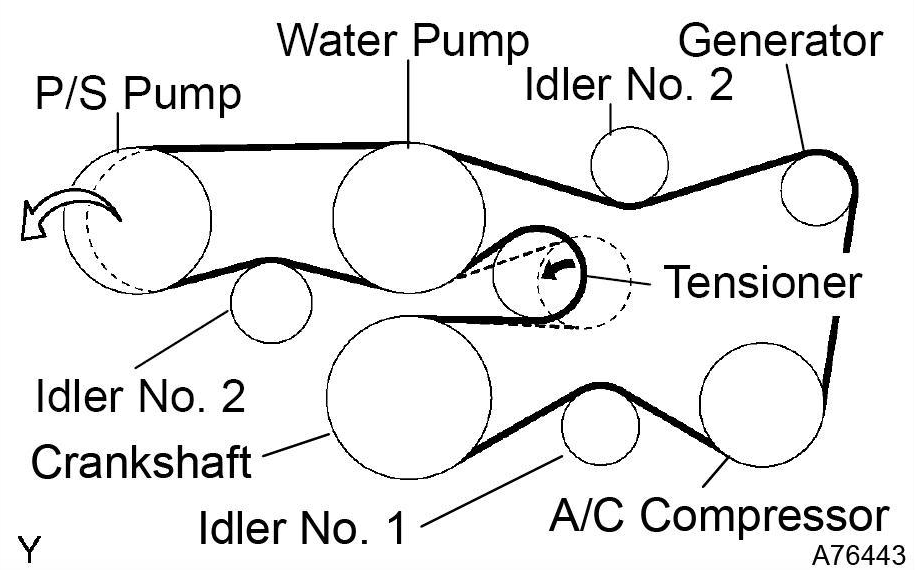
For the intermediate DIY mechanic tackling repairs or maintenance on their 2005 Toyota Tacoma, the serpentine belt system is a critical area. This article serves as your comprehensive guide to the 2005 Toyota Tacoma serpentine belt diagram, explaining its purpose, key components, functionality, troubleshooting, and safety considerations. We'll provide the technical understanding you need to confidently work on this system.
Purpose of the Serpentine Belt Diagram
The serpentine belt diagram is your roadmap to understanding the layout and routing of the serpentine belt. It's not just a pretty picture; it's essential for several key reasons:
- Correct Belt Installation: Ensures the belt is routed correctly around all pulleys, guaranteeing proper operation of accessories. Incorrect routing can lead to component failure.
- Troubleshooting: Helps diagnose issues like belt slippage, noise, or accessory malfunctions by identifying the components driven by the belt.
- Preventative Maintenance: Allows you to visually inspect the belt and pulleys for wear, damage, or misalignment, enabling timely replacement and preventing breakdowns.
- Component Identification: Clearly shows the location and names of all pulleys and accessories connected to the serpentine belt system.
- Part Replacement: Aiding in the identification and replacement of damaged or worn components like the belt, idler pulleys, or tensioner.
Having this diagram handy can save you time, money, and frustration when working on your Tacoma's engine. We have the diagram available for download.
Key Specs and Main Parts of the 2005 Tacoma Serpentine Belt System
The 2005 Tacoma (both 2.7L 4-cylinder and 4.0L V6 engines) uses a single, long serpentine belt to drive multiple engine accessories. Here's a breakdown of the key components:
- Serpentine Belt: A multi-ribbed belt made of durable rubber compounds. Its length varies depending on the engine and whether or not the vehicle is equipped with A/C.
- Crankshaft Pulley (Harmonic Balancer): Located at the bottom of the engine, this pulley is driven directly by the engine's crankshaft and provides the rotational force for the entire system.
- Alternator Pulley: Drives the alternator, which generates electricity to power the vehicle's electrical system and charge the battery.
- Power Steering Pump Pulley: Drives the power steering pump, which provides hydraulic assistance to the steering system.
- Air Conditioning (A/C) Compressor Pulley: Drives the A/C compressor, which is responsible for cooling the cabin air. (This pulley is only present if the vehicle is equipped with air conditioning.)
- Water Pump Pulley: Drives the water pump, which circulates coolant throughout the engine to regulate its temperature.
- Idler Pulleys: Smooth, bearing-mounted pulleys that guide the belt and maintain proper tension. The 2005 Tacoma may have one or more idler pulleys.
- Belt Tensioner: A spring-loaded pulley that automatically maintains the correct tension on the serpentine belt. This is a critical component, as improper tension can lead to belt slippage, noise, and premature component failure.
Understanding the function of each component is key to diagnosing and resolving any issues within the serpentine belt system.
Understanding Symbols in the Diagram
A serpentine belt diagram isn't just a picture of the belt path; it uses specific symbols to convey important information. Here's what to look for:
- Solid Lines: Represent the path of the belt, indicating which side of the belt (ribbed or smooth) contacts each pulley. Usually the outside of the belt rides on the idler and tensioner pulley, while the inside of the belt rides on the other pulleys.
- Arrows: Indicate the direction of rotation of each pulley. This is crucial for understanding how the belt drives each component.
- Component Icons: Simplified representations of each component, such as the alternator, power steering pump, A/C compressor, and water pump. These icons help quickly identify each part within the system.
- Text Labels: Each component is typically labeled with its name (e.g., "Alternator," "Power Steering Pump").
- Tensioner Indicator: The diagram often shows the direction in which to move the tensioner to release tension on the belt for removal or installation.
By familiarizing yourself with these symbols, you can quickly interpret the diagram and understand the layout of the serpentine belt system.
How the Serpentine Belt System Works
The serpentine belt system is a cleverly designed system that efficiently transfers power from the engine to various accessories. Here's how it works:
- The crankshaft drives the crankshaft pulley.
- The serpentine belt wraps around the crankshaft pulley and transfers its rotational motion to all the other pulleys in the system.
- Each pulley, in turn, drives its respective accessory (alternator, power steering pump, A/C compressor, water pump).
- The belt tensioner maintains constant tension on the belt, preventing slippage and ensuring efficient power transfer. The tensioner accomplishes this using a spring-loaded arm that automatically adjusts to compensate for belt stretch and wear.
- Idler pulleys guide the belt around the various components, optimizing its routing and preventing interference.
The key to the system's efficiency is the single, continuous belt that drives all the accessories. This eliminates the need for multiple belts and reduces complexity. However, it also means that a failure in one component can affect the entire system. If the belt breaks, all accessories will cease to function.
Real-World Use: Basic Troubleshooting Tips
The serpentine belt diagram is invaluable when troubleshooting issues with your 2005 Tacoma's accessories. Here are some common problems and how the diagram can help:
- Squealing Noise: Often caused by a loose or worn belt. Use the diagram to check the belt tensioner and ensure it's functioning correctly. Inspect the belt for cracks, fraying, or glazing.
- Accessory Malfunction (e.g., A/C not blowing cold): Use the diagram to verify that the belt is properly routed around the A/C compressor pulley and that the pulley is rotating when the engine is running. If the pulley isn't rotating, the compressor may be seized or the belt may be slipping.
- Battery Not Charging: Use the diagram to check that the belt is properly routed around the alternator pulley and that the pulley is rotating. If the pulley is rotating, the alternator may be faulty.
- Power Steering Not Working: Use the diagram to check that the belt is properly routed around the power steering pump pulley and that the pulley is rotating. If the pulley is rotating, the power steering pump may be faulty.
- Visual Inspection: Use the diagram to quickly locate and inspect each pulley for damage or excessive wear. Look for signs of misalignment or wobble.
Important: Before performing any troubleshooting or repairs, always disconnect the negative battery cable to prevent electrical shock.
Safety Considerations
Working on the serpentine belt system can be hazardous if proper precautions are not taken. Here are some crucial safety considerations:
- Moving Parts: The engine and its components, including the serpentine belt, are moving parts that can cause serious injury. Never work on the system while the engine is running.
- Hot Surfaces: The engine and exhaust system can get extremely hot. Allow the engine to cool completely before working on the serpentine belt system.
- Eye Protection: Wear safety glasses to protect your eyes from debris.
- Battery Disconnect: Disconnect the negative battery cable before starting any work to prevent electrical shock and accidental starting of the engine.
- Tensioner Spring: The belt tensioner is under spring tension and can snap back forcefully if released incorrectly. Always use the proper tools and techniques to release the tension. Follow the manufacturer's instructions carefully.
- Belt Path: Double-check the belt path against the diagram before starting the engine to ensure proper routing.
Specifically, the spring-loaded tensioner is a potential hazard. Always use the correct wrench or tool to carefully relieve the tension on the belt. Never try to force the tensioner without the proper leverage, as this can lead to injury.
By following these safety guidelines, you can minimize the risk of injury while working on your 2005 Toyota Tacoma's serpentine belt system.
We have the 2005 Toyota Tacoma Serpentine Belt Diagram available for download, providing you with a detailed visual aid for your maintenance and repair tasks.