
12v Continuous Duty Solenoid Wiring Diagram
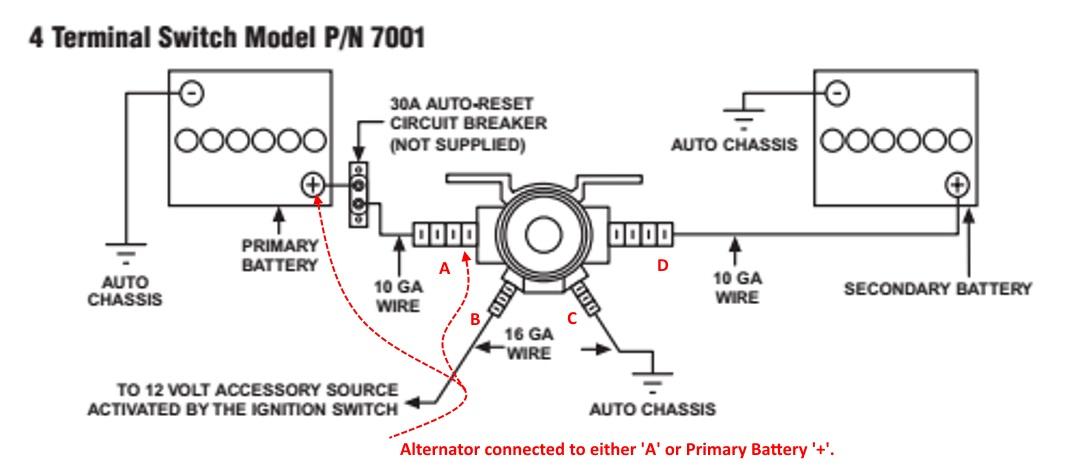
Alright, let's dive into the world of 12v continuous duty solenoid wiring. This guide is designed to help you understand, diagnose, and potentially even repair or modify systems using these incredibly useful components. Whether you're adding auxiliary lighting, upgrading your winch, or building a custom electrical system, understanding how to wire a 12v continuous duty solenoid is a crucial skill. We'll break down the wiring diagram step-by-step, covering the purpose, components, and troubleshooting, all while keeping safety top of mind.
Purpose: Why This Diagram Matters
Why bother learning about solenoid wiring diagrams? The answer is multifaceted. Primarily, having a solid understanding allows you to perform:
- Repairs: When things go wrong (and they often do), knowing how to interpret a wiring diagram allows you to trace the circuit, identify faulty components, and replace them effectively.
- Upgrades and Modifications: Adding accessories like winches, air compressors, or auxiliary lights often requires incorporating a solenoid for safe and efficient power control.
- Troubleshooting: Electrical issues can be frustrating. A wiring diagram provides a roadmap to systematically diagnose problems and avoid costly guesswork.
- Learning and Understanding: Even if you don't intend to work on your electrical system immediately, understanding the principles behind solenoid wiring enhances your overall knowledge of automotive electrical systems.
Key Specs and Main Parts
Before we jump into the diagram, let's define the key specs and parts you'll encounter:
- 12v DC: This refers to the voltage of the system. Most automotive electrical systems operate on 12 volts direct current.
- Continuous Duty: This is crucial! A continuous duty solenoid is designed to be energized (on) for extended periods without overheating. This is in contrast to intermittent duty solenoids, which are designed for short bursts of activation. Using the wrong type can lead to premature failure.
- Solenoid: An electromechanical switch. When a small electrical current is applied to the coil, it creates a magnetic field that pulls a plunger, closing the circuit between the high-current terminals.
- Battery: The source of power for the system.
- Fuse: A safety device designed to protect the circuit from overcurrent. It contains a thin wire that melts and breaks the circuit if the current exceeds a certain level.
- Switch: A device used to control the flow of electricity to the solenoid coil, turning it on and off.
- Load: The device being powered by the solenoid (e.g., winch, lights, air compressor).
- Wiring: The conductors that carry electricity throughout the circuit. Wire gauge (thickness) is critical to ensure sufficient current flow without overheating.
Symbols: Understanding the Wiring Diagram
Wiring diagrams use standardized symbols to represent electrical components and connections. Here's a breakdown of the common symbols you'll see in a 12v continuous duty solenoid wiring diagram:
- Straight Lines: Represent wires. The thickness of the line *doesn't* usually indicate wire gauge, but consult the diagram's key.
- Solid Lines: Typically indicate positive (+) wires.
- Dashed Lines: Often represent ground (-) or negative wires.
- Battery Symbol: A series of alternating long and short lines, with the long line representing the positive (+) terminal and the short line representing the negative (-) terminal.
- Fuse Symbol: A squiggly line inside a rectangle or a simple rectangle.
- Switch Symbol: A break in the line that can be closed or opened to complete or interrupt the circuit. Various switch symbols exist depending on the switch type (e.g., SPST, SPDT).
- Solenoid Symbol: A coil symbol (usually a spiral) representing the solenoid coil. The terminals connected to the coil are often labeled "85" and "86" (or similar). The high-current terminals are typically labeled "30" and "87" (or similar).
- Ground Symbol: A series of descending lines, representing a connection to the vehicle's chassis or the negative terminal of the battery.
- Color Codes: Wires are often color-coded. Common colors include red (positive), black (ground), and other colors to identify specific circuits. The diagram should have a color key.
How It Works: The Flow of Electricity
Let's trace the flow of electricity in a typical 12v continuous duty solenoid circuit:
- Power Source: The battery provides the 12v DC power.
- Fuse Protection: The positive wire from the battery connects to a fuse. This is crucial for safety. The fuse protects the circuit from overcurrent, preventing damage to the solenoid, load, and wiring.
- Solenoid Activation: The wire from the fuse leads to one of the solenoid's coil terminals (e.g., terminal 86). The other coil terminal (e.g., terminal 85) is connected to ground.
- Switch Control: A switch is placed in the circuit that connects the positive terminal to one of the solenoid coil terminals. When the switch is closed, it completes the circuit to the solenoid coil.
- Magnetic Field: When the switch is closed, electricity flows through the solenoid coil, creating a magnetic field.
- Plunger Activation: The magnetic field pulls a plunger inside the solenoid, physically connecting the two high-current terminals (e.g., terminals 30 and 87).
- Power to the Load: One of the high-current terminals (e.g., terminal 30) is connected directly to the positive terminal of the battery. The other high-current terminal (e.g., terminal 87) is connected to the positive terminal of the load (e.g., the winch or lights).
- Grounding the Load: The load's negative terminal is connected to ground.
- Circuit Completion: When the solenoid is activated, it completes the high-current circuit, allowing power to flow from the battery, through the solenoid, to the load, and back to the battery via the ground.
Real-World Use: Basic Troubleshooting Tips
Here are some basic troubleshooting tips when working with 12v continuous duty solenoid circuits:
- No Power to the Load:
- Check the fuse. A blown fuse is a common cause of failure.
- Verify the switch is working. Use a multimeter to check for continuity when the switch is closed.
- Test the solenoid. Apply 12v to the coil terminals. You should hear a click, indicating the solenoid is activating. If not, the solenoid is likely faulty.
- Check the wiring. Look for loose connections, corrosion, or damaged wires.
- Ensure proper grounding. A poor ground connection can prevent the circuit from working correctly.
- Solenoid Overheating:
- Make sure you are using a continuous duty solenoid. Using an intermittent duty solenoid in a continuous duty application will cause it to overheat and fail.
- Verify the wiring is correctly sized for the load. Undersized wiring can cause excessive heat.
- Check for a short circuit in the load. A short circuit can draw excessive current, causing the solenoid to overheat.
- Solenoid Clicking But Not Engaging: The solenoid may be receiving power, but the internal contacts are worn or damaged, preventing it from completing the circuit. Replace the solenoid.
Safety: Handle with Care
Working with electrical systems can be dangerous. Here are some crucial safety precautions:
- Disconnect the Battery: Always disconnect the negative terminal of the battery before working on any electrical circuit. This prevents accidental shorts and potential electric shock.
- Use Proper Tools: Use insulated tools designed for electrical work.
- Wear Safety Glasses: Protect your eyes from sparks and debris.
- Work in a Well-Ventilated Area: Battery acid fumes can be harmful.
- Double-Check Your Wiring: Ensure all connections are secure and properly insulated.
- Fuses are Critical: Never bypass or use a fuse with a higher amperage rating than specified. This can create a fire hazard.
- Avoid Water: Never work on electrical systems in wet conditions.
Remember that the information provided here is a general guide. Always consult the specific wiring diagram for your application and follow the manufacturer's instructions. If you're uncomfortable working with electrical systems, consult a qualified electrician or mechanic.
For your convenience, we have a sample 12v continuous duty solenoid wiring diagram available for download. This diagram provides a visual representation of the principles discussed in this article and can serve as a valuable reference for your projects. Feel free to use it as a starting point and adapt it to your specific needs.