
1989 Ford F150 Starter Solenoid Wiring Diagram
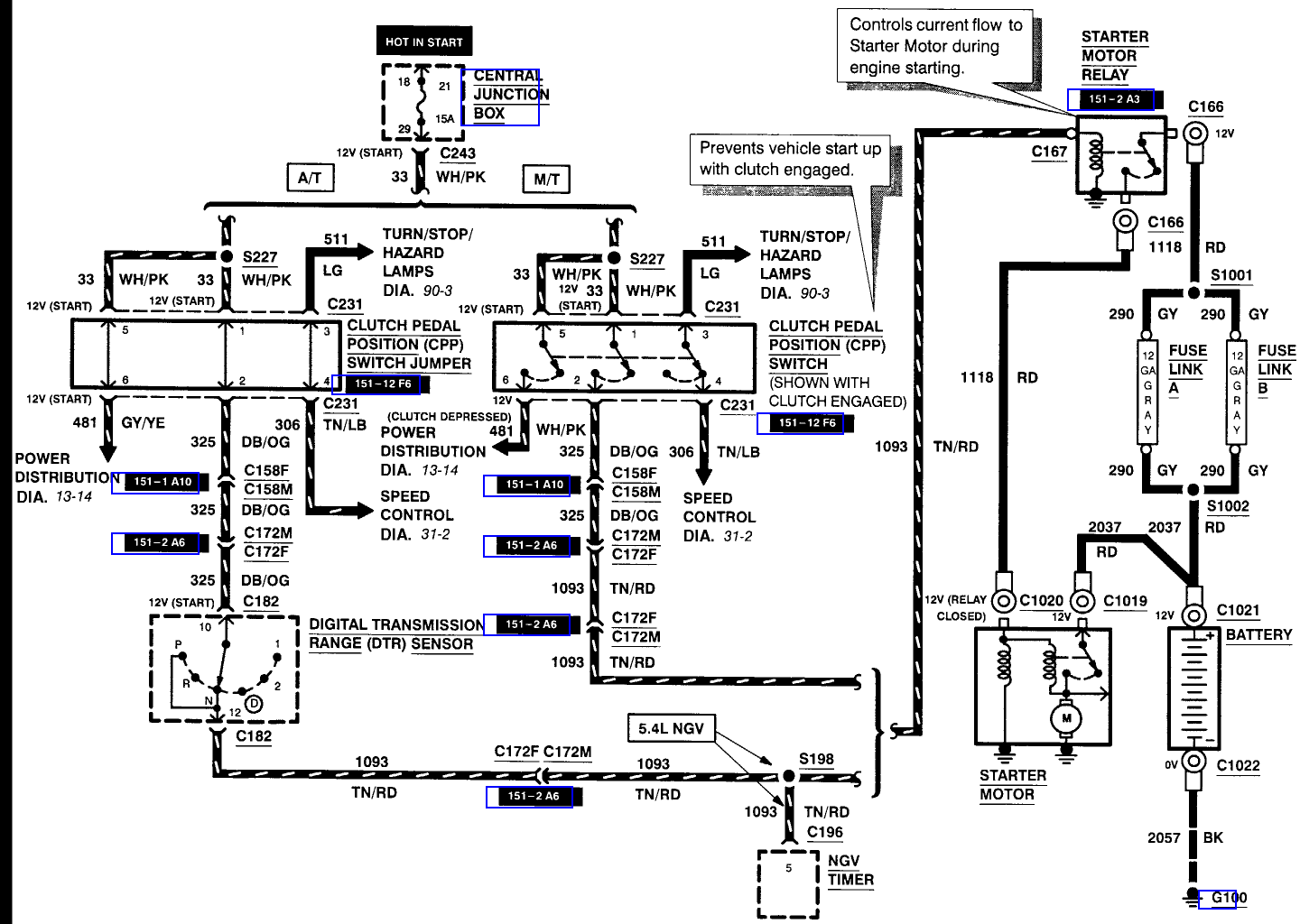
Understanding the 1989 Ford F150 starter solenoid wiring diagram is crucial for various tasks, from routine maintenance and repairs to more complex electrical modifications. This article provides a detailed breakdown of the diagram, empowering you to diagnose issues, perform repairs, and gain a deeper understanding of your truck's starting system.
Purpose of Understanding the Wiring Diagram
Why bother with the diagram? Several reasons:
- Troubleshooting Starting Problems: The most common use. When your truck refuses to start, the diagram helps pinpoint whether the problem lies with the battery, starter, solenoid, ignition switch, or wiring.
- Performing Electrical Repairs: Whether replacing a faulty solenoid, repairing damaged wires, or adding aftermarket accessories, the diagram ensures you're connecting things correctly.
- Understanding Vehicle Systems: Even if you're not currently experiencing problems, understanding the diagram provides a valuable overview of how the starting system integrates with the rest of the vehicle's electrical system.
- Modifications and Upgrades: Installing a new starter, upgrading the wiring, or adding remote start functionality requires a solid understanding of the existing wiring setup.
Key Specs and Main Parts
The 1989 F150 uses a simple, robust starting system. Here are the key components and specifications to keep in mind:
- Battery: Typically a 12-volt lead-acid battery. Ensure it’s fully charged and in good condition. A weak battery is the number one cause of starting problems.
- Starter Solenoid: A high-current relay responsible for connecting the battery directly to the starter motor. It's usually mounted on the inner fender well, near the battery.
- Starter Motor: A powerful electric motor that cranks the engine. Located near the engine flywheel/flexplate.
- Ignition Switch: Activates the starting circuit when the key is turned to the "start" position.
- Neutral Safety Switch (NSS): Prevents the engine from starting unless the transmission is in "Park" or "Neutral." Located on the transmission. On manual transmissions, this is a clutch switch.
- Wiring: Heavy-gauge cables connect the battery to the solenoid and the solenoid to the starter. Smaller gauge wires run from the ignition switch and NSS to the solenoid.
Symbols and Conventions in the Wiring Diagram
Wiring diagrams use standardized symbols to represent electrical components and connections. Understanding these symbols is essential for interpreting the diagram:
- Lines: Represent wires. Thicker lines usually indicate larger gauge wires, capable of carrying higher current. Dashed lines might indicate a ground connection or a shielded wire.
- Circles: Can represent various components, such as lights or sensors, depending on what’s inside the circle.
- Rectangles: Often represent switches or relays.
- Ground Symbol (often looks like an upside-down Christmas tree): Indicates a connection to the vehicle's chassis, providing a return path for the electrical current.
- Color Coding: Wires are typically color-coded to aid in identification. The diagram will usually have a legend indicating which color corresponds to which wire function (e.g., Red = Battery +, Black = Ground, Yellow = Starter signal). Common Ford wire colors include Red (power), Black (ground), Purple (starter signal), and Brown (ignition). Always verify with your specific diagram as colors can sometimes vary slightly.
- Connectors: Shown as small circles where lines (wires) intersect. These represent where wires connect.
- Numbers/Letters: Next to wires and components. These are circuit identifiers or component numbers. They help you trace the circuit and locate specific parts in the service manual.
How the Starting System Works
The 1989 F150 starting system operates in a straightforward sequence:
- Key in Ignition: When you turn the ignition key to the "start" position, you are essentially closing a switch.
- Ignition Switch to Solenoid: This action sends a low-current signal (typically 12V) through a wire (often purple/violet) to the starter solenoid.
- Neutral Safety Switch Interlock: The signal from the ignition switch must first pass through the Neutral Safety Switch (or clutch switch on a manual transmission). This prevents the starter from engaging if the vehicle is in gear.
- Solenoid Activation: The signal from the ignition switch energizes the solenoid's electromagnet.
- High-Current Connection: When energized, the solenoid acts as a high-current switch, connecting the large-gauge cable from the battery directly to the starter motor.
- Starter Engagement: The starter motor spins, engaging the engine's flywheel/flexplate and cranking the engine.
In essence, the ignition switch provides a low-current signal that tells the solenoid to connect the high-current circuit needed to power the starter motor.
Real-World Use: Basic Troubleshooting Tips
Here are a few troubleshooting scenarios where the wiring diagram proves invaluable:
- No Crank, No Start:
"Start by checking the battery voltage. Then, check the voltage at the small wire terminal on the solenoid when the key is in the start position. If there's no voltage, the problem could be the ignition switch, the neutral safety switch, or the wiring between them."
- Clicking Solenoid, No Start:
"This usually indicates a weak battery or a poor connection. Check the battery voltage under load (while trying to start the engine). Also, inspect the battery terminals, solenoid connections, and starter connections for corrosion."
- Starter Cranks Slowly:
"A slow-cranking starter can be caused by a weak battery, a corroded starter cable, or a failing starter motor. Use a multimeter to check the voltage drop across the starter cable while cranking. Excessive voltage drop indicates resistance in the cable."
The diagram helps you trace the circuit and pinpoint the location of the fault. Remember to use a multimeter to check for voltage and continuity.
Safety Precautions
Working with the electrical system involves potential hazards. Keep these safety precautions in mind:
- Disconnect the Battery: Always disconnect the negative battery cable before working on the electrical system. This prevents accidental shorts and potential damage to components.
- High Current Components: The battery cable to the solenoid and the cable from the solenoid to the starter carry very high current. Avoid shorting these cables to ground, as this can cause severe burns and damage to the vehicle.
- Proper Tools: Use insulated tools to prevent electrical shock.
- Inspect Wiring: Before reconnecting the battery, carefully inspect all wiring for damage, such as frayed insulation or corroded terminals.
- Work Area: Work in a well-ventilated area, especially when working with batteries, as they can release flammable gases.
Remember, if you are not comfortable working with electrical systems, it is best to consult a qualified mechanic.
Accessing the Wiring Diagram
We have a high-resolution version of the 1989 Ford F150 starter solenoid wiring diagram available for download. This diagram includes color-coded wires and detailed component locations, making it easy to trace circuits and troubleshoot problems.