
1997 Chevy 5.7 L Vortec Vacuum Hose Diagram
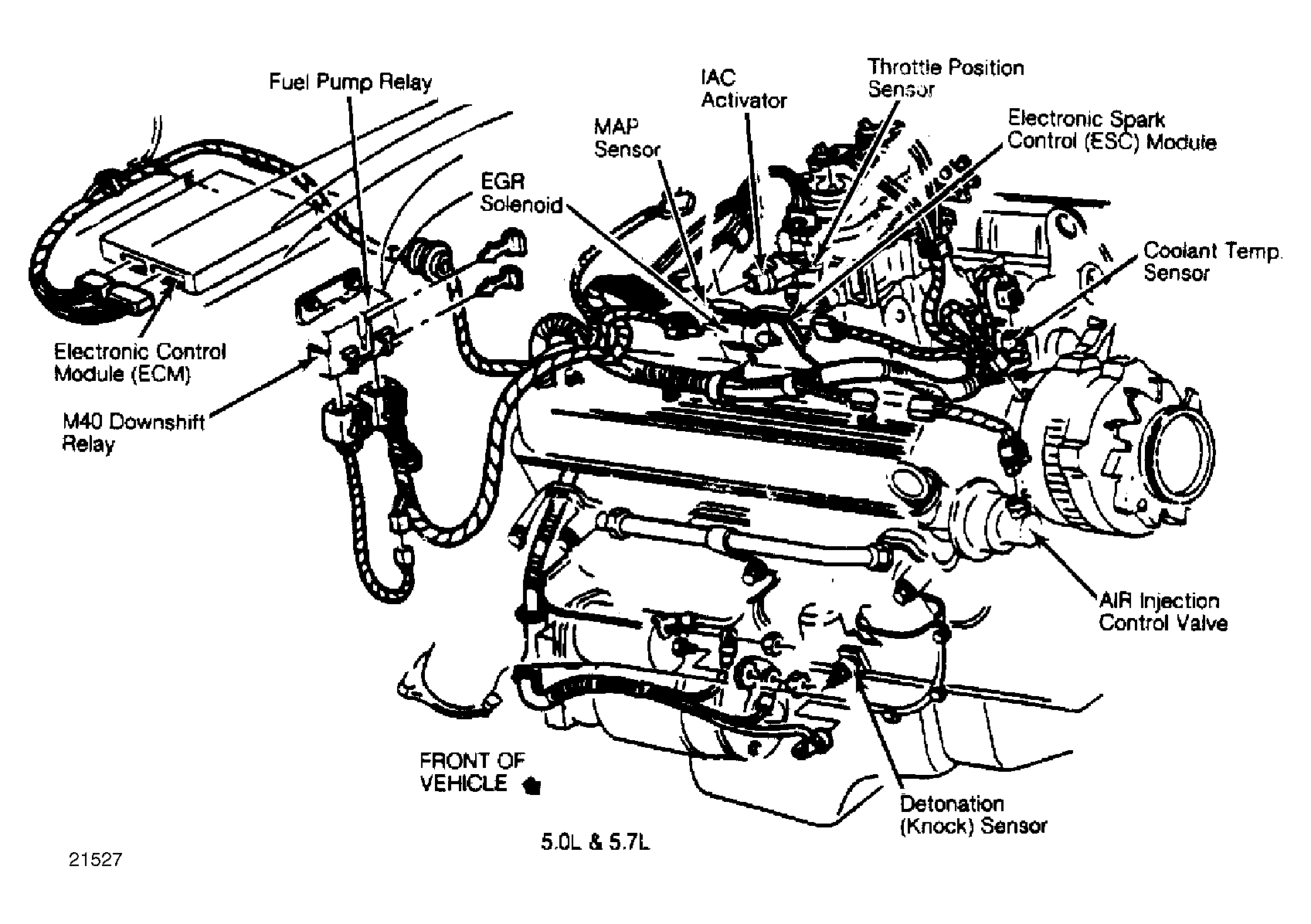
For the DIY mechanic tackling a 1997 Chevrolet with the venerable 5.7L Vortec engine, understanding the vacuum hose system is crucial. This intricate network plays a pivotal role in engine performance, emissions control, and even features like your climate control system. Having a clear grasp of the vacuum hose diagram is invaluable for everything from diagnosing a persistent check engine light to optimizing your engine's performance.
Purpose of the Vacuum Hose Diagram
Why bother with a vacuum hose diagram? Simple: it's your roadmap to understanding and maintaining a vital system. Here’s why it matters:
- Diagnosis: Vacuum leaks are a common cause of poor engine performance, rough idling, and illuminated check engine lights. The diagram helps you pinpoint the source of a leak quickly.
- Repair: Replacing cracked, brittle, or disconnected hoses is a common maintenance task. The diagram ensures you connect everything correctly.
- Modification: If you're modifying your engine (e.g., adding a performance air intake), you might need to reroute or cap off vacuum lines. The diagram will help you do this safely and effectively.
- Learning: Understanding the vacuum system is a great way to deepen your knowledge of how internal combustion engines operate and how various components interact.
Key Specs and Main Parts of the 1997 5.7L Vortec Vacuum System
The 1997 Chevy 5.7L Vortec vacuum system is a fairly complex network, but breaking it down into its key components makes it easier to understand:
- Vacuum Source: The primary vacuum source is the engine's intake manifold. The manifold vacuum is created by the downward movement of the pistons, drawing air into the cylinders. This vacuum is then tapped and distributed to various components.
- PCV (Positive Crankcase Ventilation) System: This system recirculates crankcase gases back into the intake manifold to be burned, reducing emissions. Key components include the PCV valve and associated hoses. A leak in the PCV system is a very common source of vacuum leaks.
- EGR (Exhaust Gas Recirculation) System: The EGR valve reduces NOx (oxides of nitrogen) emissions by recirculating a portion of the exhaust gas back into the intake manifold. The EGR valve is often vacuum-operated.
- EVAP (Evaporative Emission Control) System: This system prevents fuel vapors from escaping into the atmosphere. It typically includes a charcoal canister, purge valve, and various hoses.
- Vacuum Reservoir: Some systems, like the climate control, use a vacuum reservoir to store vacuum, ensuring consistent operation even under fluctuating engine load.
- Throttle Body: While not strictly part of the vacuum system, the throttle body is a critical component where the vacuum lines connect, and the throttle position sensor (TPS) is located.
- MAP Sensor (Manifold Absolute Pressure): The MAP sensor measures the vacuum in the intake manifold, providing crucial data to the engine control module (ECM) for fuel and ignition timing adjustments.
- Vacuum Lines/Hoses: These are the arteries of the system, connecting all the components. They're typically made of rubber or plastic and come in various diameters.
- Check Valves: These one-way valves prevent vacuum from flowing in the wrong direction. They are crucial for proper system operation.
Understanding Vacuum Hose Diagram Symbols
Vacuum hose diagrams use a variety of symbols to represent different components and hose types. Here's a breakdown of common symbols:
- Solid Lines: Represent vacuum hoses. The thickness of the line might indicate the hose diameter.
- Dotted Lines: Usually indicate electrical wiring or diagnostic connections, not vacuum hoses. However, always confirm the specific diagram legend.
- Arrows: Show the direction of vacuum flow.
- Circles/Squares: Represent vacuum-operated components (e.g., vacuum actuators, EGR valve).
- "T" or "Y" Connectors: Indicate where vacuum lines split.
- Restrictors: Small, inline components that limit vacuum flow. They are often represented by a small, constricted section of the line on the diagram.
Some diagrams also use color-coding to distinguish different vacuum lines. For example:
- Black: Often indicates a main vacuum source line.
- Green: May represent a line related to the EGR system.
- Blue: Could be related to the EVAP system.
Always refer to the legend on your specific diagram to understand the meaning of the symbols and colors used. Different manufacturers might use slightly different conventions.
How the Vacuum System Works
The 5.7L Vortec engine generates vacuum in the intake manifold as the pistons move downward during the intake stroke. This vacuum is then distributed through a network of hoses to various components. The intensity of the vacuum is dictated by the throttle position and engine load. With the throttle closed at idle, the vacuum is at its peak (around 18-22 inches of mercury). As the throttle opens and engine load increases, the vacuum decreases.
The ECM relies on the MAP sensor to monitor manifold vacuum. This data is crucial for determining the engine's air-fuel mixture, ignition timing, and other parameters. Vacuum also operates various actuators, such as those controlling the blend doors in the climate control system or the EGR valve.
The PCV system uses vacuum to draw crankcase gases into the intake manifold, preventing pressure buildup in the crankcase and reducing emissions. The EVAP system uses vacuum to purge fuel vapors from the charcoal canister, further reducing emissions.
Real-World Use: Basic Troubleshooting Tips
Here are a few troubleshooting tips using the vacuum hose diagram:
- Vacuum Leak Diagnosis: Use a vacuum gauge or a propane torch (with extreme caution!) to locate vacuum leaks. Spraying small amounts of propane near suspected leak areas will cause the engine RPM to increase if a leak is present. The diagram will help you narrow down potential leak locations. A smoke machine is another safe and effective tool for finding leaks.
- Rough Idle: A common symptom of vacuum leaks. Check all hoses connected to the intake manifold and throttle body. Pay close attention to the PCV valve and hose.
- Poor Fuel Economy: Vacuum leaks can disrupt the air-fuel mixture, leading to reduced fuel economy.
- Check Engine Light (CEL): Certain trouble codes (e.g., P0171, P0174 - lean conditions) can be caused by vacuum leaks. Use a scan tool to read the codes and then use the diagram to troubleshoot the relevant vacuum lines and components.
Safety Precautions
Working on the vacuum system generally involves minimal safety risks, but be mindful of these points:
- Hot Engine: Avoid working on the vacuum system immediately after the engine has been running. Allow it to cool down to prevent burns.
- Fuel Lines: Be careful when working near fuel lines. Fuel leaks are a fire hazard.
- Propane: If using propane to locate leaks, exercise extreme caution. Work in a well-ventilated area and keep a fire extinguisher nearby. This method is not recommended for beginners.
- Sharp Objects: Be mindful of sharp edges on engine components.
Vacuum systems rarely present high-voltage electrical risks, however, it is always wise to disconnect the negative battery terminal before performing any auto repair procedure.
We have a high-resolution vacuum hose diagram specifically for the 1997 Chevy 5.7L Vortec engine available for download. This diagram will be a valuable asset as you work on your truck. You can access the file by clicking the download link at the bottom of this page.