
1998 Chevy Silverado Power Steering Line Diagram
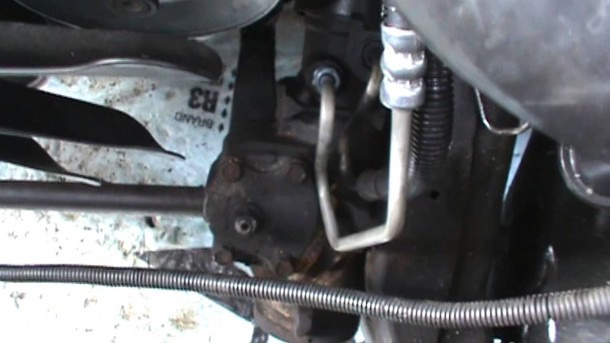
Alright, let's dive into the power steering system of the 1998 Chevy Silverado. Understanding the power steering line diagram is crucial if you're planning any repairs, upgrades, or even just want to get a better handle on how this system works. It's more than just turning the wheel; it's a complex interplay of fluid dynamics and mechanical components. This article will break down the diagram, its components, and how to use it effectively.
Why This Diagram Matters
The power steering system in your Silverado can be a real pain when it malfunctions. Purposefully studying the diagram unlocks a treasure trove of knowledge for various tasks, including:
- Troubleshooting: Pinpointing the exact location of a leak or blockage. Instead of blindly replacing parts, the diagram guides you to the most likely culprit.
- Repairs: Knowing the correct routing and connection points for hoses and lines is paramount when replacing damaged components. A wrong connection could lead to serious damage.
- Upgrades/Modifications: Planning to install a cooler or modify the system for better performance? The diagram shows you where you can safely tap into the system.
- Understanding: Simply put, learning the system's layout builds confidence and provides a foundation for other automotive repairs.
Key Specs and Main Parts of the 1998 Silverado Power Steering System
The '98 Silverado's power steering system, like most hydraulic power steering systems, relies on a few core components working in harmony:
- Power Steering Pump: The heart of the system, the pump is driven by the engine (usually via a belt) and generates the hydraulic pressure needed to assist steering. It typically includes a reservoir to hold the power steering fluid. Common pumps are either rotary vane or gerotor types. The pump’s pressure relief valve is vital for preventing over-pressurization.
- Power Steering Gear (or Steering Gearbox): This unit takes the hydraulic pressure from the pump and translates it into mechanical force that steers the wheels. It typically contains a spool valve, which directs fluid to either side of a piston based on the steering wheel's input.
- Power Steering Fluid Reservoir: Holds the power steering fluid. Often integrated with the pump. It includes a filter to remove debris from the fluid.
- High-Pressure Line: A reinforced hose or steel line that carries high-pressure fluid *from* the pump *to* the steering gear. These lines are subject to significant pressure and can fail over time.
- Low-Pressure Return Line: Returns the fluid *from* the steering gear *back* to the reservoir. This line operates at a lower pressure than the high-pressure line.
- Power Steering Cooler (Optional): Some models, particularly those with heavy-duty packages, include a cooler to dissipate heat from the power steering fluid. It's usually located near the radiator.
Key Specifications to be mindful of are the operating pressure of the system (typically around 1000-1500 PSI), the type of power steering fluid required (usually Dexron III or a compatible power steering fluid; always check your owner's manual!), and the torque specifications for hose fittings.
Understanding the Symbols in the Diagram
The power steering line diagram uses standard automotive schematic symbols. Here's a breakdown:
- Solid Lines: Generally represent hydraulic lines or hoses carrying power steering fluid.
- Dashed Lines: Often indicate vacuum lines or sometimes represent a simplified or internal connection within a component.
- Arrows: Show the direction of fluid flow within the lines. Pay close attention to these!
- Circles: Typically represent components like the pump, reservoir, or cooler. The interior of the circle might contain symbols indicating what the component is.
- Squares/Rectangles: Can represent the steering gear or other control valves.
- Hose Clamps: Shown as small parallel lines crossing a hose, indicating the location of hose clamps.
- Different Line Thicknesses: Sometimes, thicker lines indicate high-pressure lines, while thinner lines indicate low-pressure lines.
Colors are not standardized across all diagrams, but if your diagram uses colors, a legend will usually be provided. Typically, red might indicate the high-pressure line, and blue or black might indicate the low-pressure return line. However, don't rely on color alone; always confirm with the legend.
How the Power Steering System Works
Here's a simplified explanation of how the power steering system functions:
- The engine drives the power steering pump, which draws fluid from the reservoir.
- The pump pressurizes the fluid and sends it through the high-pressure line to the steering gear.
- Inside the steering gear, a spool valve (connected to the steering shaft) directs the high-pressure fluid to one side of a piston.
- The piston assists the movement of the steering linkage, reducing the effort required to turn the steering wheel.
- After assisting the steering, the fluid returns to the reservoir through the low-pressure return line.
- If equipped, the fluid passes through the cooler to dissipate heat before returning to the reservoir.
The system is a closed loop, constantly circulating fluid to provide power assistance. When the steering wheel is centered, the spool valve is in a neutral position, and minimal pressure is applied to either side of the piston.
Real-World Use: Basic Troubleshooting Tips
The diagram becomes invaluable when troubleshooting power steering problems. Here are a few examples:
- Power Steering Fluid Leak: If you spot a leak, the diagram helps you trace the line from the pump, reservoir, or steering gear to the location of the leak. Check hose connections, the pump seal, and the steering gear housing.
- No Power Steering Assist: Start by checking the fluid level in the reservoir. If the level is okay, use the diagram to trace the high-pressure line. A collapsed or kinked hose can restrict fluid flow. Listen for a whining noise from the pump, which could indicate a failing pump or a blocked line.
- Erratic Steering: Air in the system can cause erratic steering. Check for loose hose connections that might be allowing air to enter. A foamy appearance in the power steering fluid is a sign of aeration.
- Hard Steering only in one direction: If you have power assist in one direction, but not the other. This can be a sign of a spool valve issue, and the diagram can help you locate the relevant part of the steering gear.
Example: Imagine you find a puddle of red fluid under your truck. Using the diagram, you can quickly identify that the fluid is likely power steering fluid (or transmission fluid, depending on the location). The diagram also helps you trace the lines to pinpoint the exact location of the leak, saving you valuable time and effort.
Safety Considerations
The power steering system operates under high pressure. Never disconnect a line while the engine is running or the system is pressurized. This can result in serious injury.
- High-Pressure Lines: These lines can burst or leak under pressure, spraying hot fluid. Wear eye protection and gloves when working on the system.
- Hot Fluid: Power steering fluid can get extremely hot, especially after extended use. Allow the system to cool down before working on it.
- Belt-Driven Pump: Be extremely careful when working near the belt-driven pump. Make sure the engine is off and the key is removed to prevent accidental starting.
Remember: When disconnecting lines, have drain pans ready to catch any spilled fluid. Dispose of used power steering fluid properly at a recycling center.
By taking your time and consulting the power steering line diagram, you can confidently tackle many power steering repairs and upgrades on your 1998 Chevy Silverado. Good luck!
We have access to the 1998 Chevy Silverado power steering line diagram file for you to download. It can be extremely helpful to have it right by your side in the garage or while working on your truck. You can download it from the link below.