
2000 Ford Ranger 3.0 Spark Plug Wire Diagram
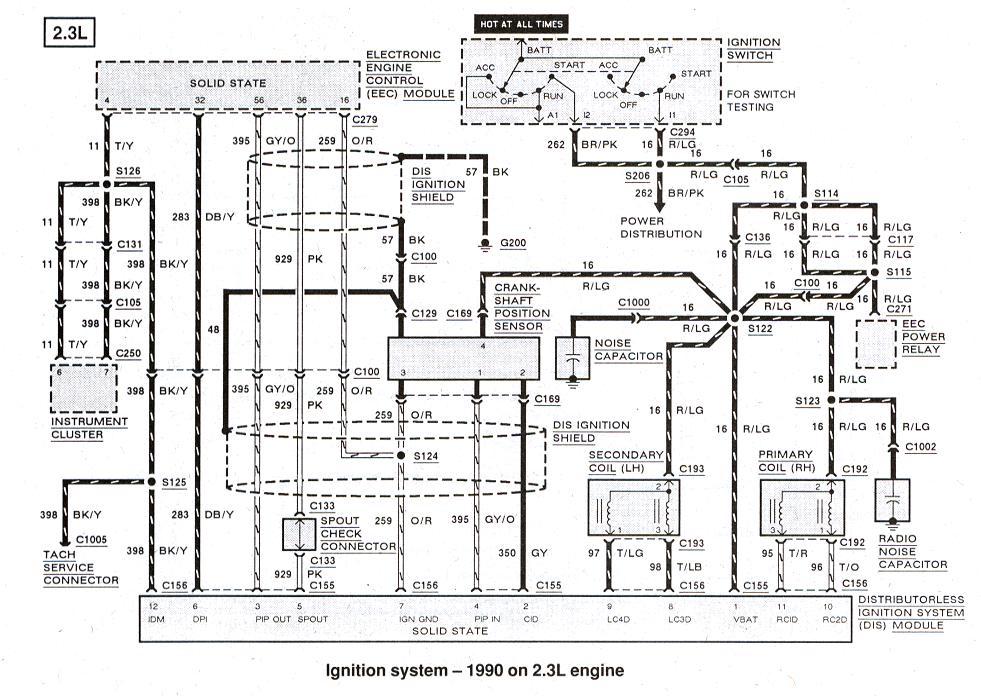
The 2000 Ford Ranger with the 3.0L Vulcan engine is a workhorse. Knowing your way around its ignition system, especially the spark plug wires, is crucial for maintenance, troubleshooting, and even some performance modifications. This article dives deep into the spark plug wire diagram for this specific model, offering a detailed understanding that goes beyond simply knowing which wire goes where.
Purpose of the Spark Plug Wire Diagram
A spark plug wire diagram is more than just a visual aid; it's a roadmap to your engine's ignition system. Its primary purposes include:
- Repair and Maintenance: Accurately replacing worn or damaged spark plug wires is essential for optimal engine performance. The diagram ensures correct wire routing, preventing misfires and potential engine damage.
- Troubleshooting: When diagnosing ignition problems (e.g., misfires, rough idling), the diagram helps isolate the issue to a specific cylinder or wire.
- Understanding Engine Operation: Studying the diagram provides a deeper understanding of how the ignition system works, including the firing order and coil pack configuration.
- Modifications: While not as common, understanding the wiring layout is helpful when considering aftermarket ignition upgrades.
Key Specs and Main Parts of the 2000 Ford Ranger 3.0L Ignition System
Before we jump into the diagram itself, let's identify the key components of the ignition system in your 2000 Ford Ranger 3.0L:
- Coil Pack: The coil pack is responsible for generating the high-voltage spark needed to ignite the air-fuel mixture in the cylinders. The 3.0L Vulcan engine utilizes a waste spark system, meaning each coil fires two cylinders simultaneously.
- Spark Plug Wires: These high-tension wires carry the electrical spark from the coil pack to the spark plugs. They are designed to withstand very high voltages and operate reliably in a hot engine environment.
- Spark Plugs: Located in each cylinder, the spark plugs provide the gap across which the electrical spark jumps, igniting the air-fuel mixture.
- Crankshaft Position Sensor (CKP): This sensor monitors the position and rotational speed of the crankshaft, providing critical data to the Powertrain Control Module (PCM).
- Camshaft Position Sensor (CMP): This sensor monitors the position of the camshaft, helping the PCM determine the correct firing sequence.
- Powertrain Control Module (PCM): The PCM is the engine's computer. It receives data from various sensors, including the CKP and CMP sensors, and controls the ignition timing and other engine parameters.
The 3.0L Vulcan engine uses a waste spark ignition system. This means that for each cylinder firing, a spark is also sent to a cylinder that is on its exhaust stroke (hence the term "waste"). This design simplifies the ignition system and reduces the number of coils required.
Symbols in the Spark Plug Wire Diagram
Understanding the symbols used in the diagram is crucial for proper interpretation. Here's a breakdown of common symbols:
- Solid Lines: Typically represent the spark plug wires themselves, indicating the physical connection between the coil pack and the spark plugs.
- Dashed Lines: May represent ground connections or diagnostic connections.
- Colors: Color-coding is often used to differentiate between wires, especially when identifying the correct cylinder number. While color variations may exist slightly, the diagram will provide the *correct* and *specific* color codes for your 2000 Ranger 3.0L.
- Cylinder Numbers: The diagram clearly identifies each cylinder number (1 through 6 for the 3.0L V6), allowing you to connect the wires to the correct spark plug.
- Coil Pack Terminals: The diagram shows the terminals on the coil pack, indicating which terminal corresponds to which cylinder.
Diagrams may also include icons representing connectors, ground points, and other electrical components. The accompanying legend or key will explain the meaning of each symbol.
How It Works: The Ignition Sequence
The 2000 Ford Ranger 3.0L engine's firing order is 1-4-2-5-3-6. This sequence dictates the order in which the spark plugs fire, ensuring smooth engine operation. The coil pack generates the high-voltage spark, which is then distributed to the spark plugs through the spark plug wires. The PCM controls the timing of the spark based on information from the CKP and CMP sensors.
Here’s a simplified breakdown of the process:
- The PCM receives signals from the CKP and CMP sensors, determining the crankshaft and camshaft positions.
- Based on this information and the programmed firing order, the PCM sends a signal to the coil pack.
- The coil pack generates a high-voltage spark.
- The spark travels through the designated spark plug wire to the appropriate spark plug.
- The spark jumps across the spark plug gap, igniting the air-fuel mixture in the cylinder.
Because the 3.0L Vulcan uses a waste spark system, the coil pack simultaneously fires two cylinders, one on the compression stroke and the other on the exhaust stroke.
Real-World Use: Basic Troubleshooting Tips
Here are a few practical troubleshooting tips using the spark plug wire diagram:
- Misfire Diagnosis: If you're experiencing a misfire, use the diagram to identify the spark plug wire for the affected cylinder. Inspect the wire for damage (cracks, burns, etc.) and ensure it's securely connected to both the coil pack and the spark plug.
- Wire Routing Issues: Incorrectly routed spark plug wires can cause crossfire (where the spark jumps to the wrong wire), leading to misfires and poor engine performance. Use the diagram to ensure the wires are routed correctly, avoiding contact with other wires or hot engine components.
- Resistance Testing: Spark plug wires have a specific resistance range. Use a multimeter to measure the resistance of each wire. A significantly higher resistance reading indicates a worn or damaged wire. Refer to manufacturer specifications for the acceptable resistance range.
- Visual Inspection: Regularly inspect your spark plug wires for any signs of wear, cracking, or damage. Pay close attention to the boots (the rubber covers at each end of the wire), as these can deteriorate over time.
If you suspect a faulty coil pack, you can use the diagram to help diagnose the issue. Disconnect the spark plug wires from the coil pack (one at a time) and use a spark tester to check for spark at each terminal. A weak or non-existent spark indicates a problem with the coil pack.
Safety Precautions
Working with the ignition system involves high voltages, so safety is paramount:
- Never work on the ignition system with the engine running. High voltage can cause serious injury or death.
- Disconnect the negative battery cable before working on any electrical components. This prevents accidental shorts and potential damage to the electrical system.
- Use insulated tools when working with electrical components. This reduces the risk of electric shock.
- Coil packs store energy even after the engine is turned off. Wait a few minutes after turning off the engine before handling the coil pack.
- Spark plug wires carry extremely high voltage. Never touch a spark plug wire while the engine is running or being cranked.
Always exercise caution and follow proper safety procedures when working on your vehicle's electrical system.
By understanding the spark plug wire diagram and the fundamentals of the 2000 Ford Ranger 3.0L ignition system, you can confidently tackle a wide range of maintenance and troubleshooting tasks. Remember to prioritize safety and consult the diagram whenever you're working on the ignition system.
We have the detailed spark plug wire diagram for your 2000 Ford Ranger 3.0L available for download. It includes color-coded wire identification and precise routing instructions. Armed with this information, you'll be well-equipped to maintain and troubleshoot your Ranger's ignition system like a pro!