
2000 Ford Taurus Serpentine Belt Routing Diagram
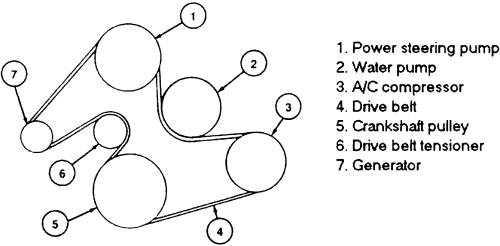
Alright, let's talk about the serpentine belt routing diagram for a 2000 Ford Taurus. This isn't just some piece of paper; it's your roadmap to a properly functioning engine. Whether you're tackling a worn-out belt replacement, diagnosing a squealing noise, or just trying to understand the layout of your engine bay, knowing how to read and interpret this diagram is crucial.
Purpose of the Serpentine Belt Routing Diagram
The serpentine belt routing diagram serves several key purposes:
- Maintenance and Repair: The primary use is for replacing the serpentine belt. Without the correct routing, your accessories won't function properly, leading to power steering failure, alternator issues, or even engine overheating.
- Diagnosis: If you’re experiencing accessory problems, the diagram helps verify that the belt is properly installed and tensioned.
- Learning: Understanding the diagram is a great way to get a better grasp of how your engine's accessories are driven and interconnected. It provides a visual representation of the mechanical relationships.
- Component Identification: The diagram identifies the location of different accessories (like the alternator, AC compressor, power steering pump, etc.)
Key Specs and Main Parts Involved
For a 2000 Ford Taurus (specifically, let’s focus on the 3.0L Vulcan V6, which was a common engine option), here are some key considerations:
- Belt Length: The exact belt length is critical. Using the wrong size will result in either insufficient tension (causing slippage) or excessive tension (leading to premature bearing failure). Refer to your vehicle's specific information for the correct length. The belt length typically falls within the range of 85-90 inches but it's crucial to verify the *exact* length for your engine configuration using the VIN.
- Belt Material: Serpentine belts are typically made from EPDM (Ethylene Propylene Diene Monomer) rubber, which is durable and resistant to heat and wear.
- Tensioner Pulley: This spring-loaded pulley maintains the correct tension on the belt. A faulty tensioner can cause belt slippage, noise, and premature belt wear. It's often a good idea to replace the tensioner when replacing the belt, especially if it shows signs of wear or weakness.
- Idler Pulley: Idler pulleys are smooth pulleys that guide the belt around the engine. They don't drive any accessories but are strategically placed to optimize belt wrap and prevent interference.
The main components that the serpentine belt typically drives include:
- Alternator: Charges the battery and provides electrical power to the vehicle.
- Air Conditioning Compressor: Compresses the refrigerant for the AC system.
- Power Steering Pump: Provides hydraulic assistance for steering.
- Water Pump: Circulates coolant through the engine to prevent overheating.
Symbols and Diagram Interpretation
Understanding the symbols used in the diagram is essential. Here’s a breakdown:
- Solid Lines: These represent the path of the outer surface of the serpentine belt. This is the side of the belt that contacts the smooth pulleys.
- Dashed Lines: These generally indicate the inner, grooved side of the belt contacting a grooved pulley.
- Arrows: These indicate the direction of rotation for each pulley. Pay attention to the arrows, as they tell you which way each component is spinning.
- Component Labels: Each pulley will be labeled with an abbreviation indicating the component it drives (e.g., "ALT" for alternator, "AC" for air conditioning compressor, "P/S" for power steering).
- Tensioner Symbol: The tensioner pulley is usually indicated with a spring symbol or a notation indicating that it's a spring-loaded tensioner.
- Idler Pulley Symbol: Idler pulleys are typically shown as smooth circles.
Color coding is not always present but can be used in some diagrams. If present:
- Red Lines: May indicate the section of the belt that experiences the most tension.
- Blue Lines: Could represent a section of the belt with less tension or a specific routing detail.
The serpentine belt routing diagram is a 2D representation of a 3D setup. The goal is to show you at which points the belt connects, rotates, and provides functionality to the different components within your engine.
How It Works: The Belt's Journey
The serpentine belt works by transmitting rotational force from the engine's crankshaft pulley to the various accessories. The crankshaft pulley is directly connected to the engine's crankshaft, which is driven by the pistons. As the crankshaft rotates, it spins the serpentine belt. The belt, in turn, wraps around the pulleys of the accessories, causing them to rotate. The tensioner pulley maintains the correct tension on the belt, ensuring that it doesn't slip or come off. The idler pulleys guide the belt around the engine, optimizing belt wrap and preventing interference. A properly routed and tensioned belt provides a smooth and efficient transfer of power to all essential accessories.
Real-World Use and Basic Troubleshooting
Here's how you can use the diagram for troubleshooting:
- Squealing Noise: A squealing noise often indicates a slipping belt. Check the belt for wear, cracks, or glazing. Also, inspect the tensioner pulley for proper function. Use the diagram to confirm the belt is correctly routed.
- Accessory Failure: If an accessory stops working (e.g., the air conditioning suddenly stops blowing cold air), first verify that the belt is still intact and properly routed. Then, check if the accessory's pulley is spinning. If the belt is spinning but the pulley isn't, the accessory may be seized.
- Belt Coming Off: If the belt keeps coming off, suspect a misaligned pulley, a worn-out tensioner, or a damaged belt. Carefully inspect each pulley for wobble or damage. Ensure that the tensioner is providing adequate tension. Use a straight edge to verify pulley alignment.
- Rough Idling or Engine Performance Issues: A slipping or improperly routed serpentine belt can place undue stress on the engine.
Safety Considerations
Working with the serpentine belt system can be risky. Here are some crucial safety precautions:
- Disconnect the Battery: Always disconnect the negative battery cable before working on the serpentine belt. This prevents accidental starting of the engine.
- Hot Engine: Never work on the serpentine belt when the engine is hot. The engine components can cause severe burns.
- Moving Parts: Be extremely cautious of moving parts. Keep your hands, clothing, and tools away from the belt and pulleys while the engine is running.
- Spring-Loaded Tensioner: The tensioner pulley is spring-loaded and can snap back with considerable force when released. Use the correct tools and techniques to safely relieve the tension.
- Eye Protection: Wear safety glasses to protect your eyes from debris.
Risk Highlight: The tensioner pulley stores a significant amount of spring energy. If released improperly, it can cause serious injury. Always use the correct tool (usually a serpentine belt tool or a wrench) to carefully relieve the tension on the belt before removing it. Never attempt to release the tensioner by hand.
By understanding the serpentine belt routing diagram for your 2000 Ford Taurus, you'll be well-equipped to tackle repairs, diagnose problems, and keep your vehicle running smoothly. This knowledge empowers you to maintain your vehicle effectively and address common issues with confidence.
To help you even further, we have a downloadable PDF file containing the detailed serpentine belt routing diagram specifically for the 2000 Ford Taurus (3.0L Vulcan V6). This visual aid will make the entire process much easier. Search "2000 Ford Taurus Serpentine Belt Diagram Download" to find the file online, and be sure it's from a reputable source.