
2001 Dodge Ram 1500 5.2 Spark Plug Wire Diagram
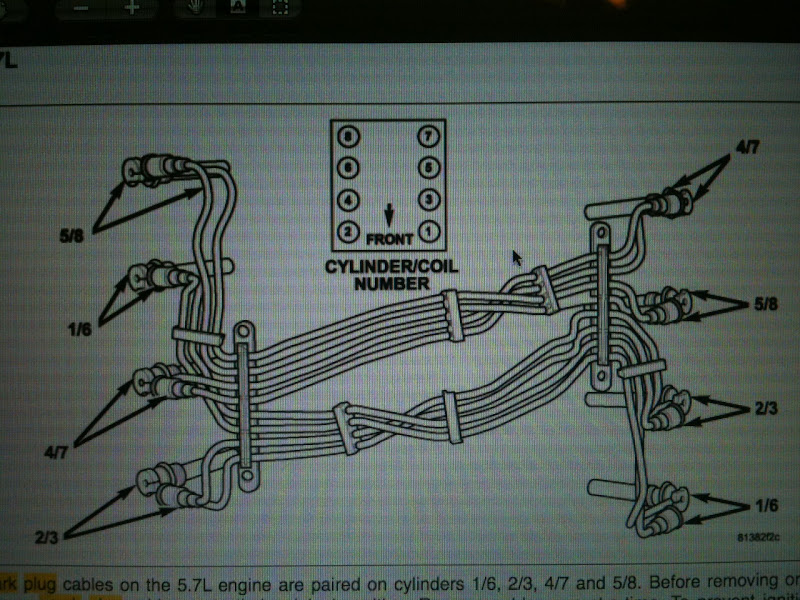
Let's dive into the spark plug wire diagram for your 2001 Dodge Ram 1500 with the 5.2L (318 cubic inch) engine. Understanding this diagram is crucial for a variety of reasons, from performing routine maintenance to troubleshooting ignition problems and even when planning engine modifications. It's like having a roadmap for the electrical pathways that fire your engine, allowing you to diagnose issues accurately and avoid costly mistakes.
Why You Need This Diagram
The spark plug wire diagram isn't just a pretty picture; it's a vital tool for:
- Troubleshooting Misfires: A misfire (when a cylinder doesn't fire correctly) can cause rough idling, poor acceleration, and decreased fuel economy. The diagram helps you pinpoint which cylinder isn't firing, allowing you to check the wire and spark plug.
- Replacing Spark Plugs and Wires: Ensuring the wires are connected to the correct spark plugs in the correct firing order is absolutely critical. Incorrect placement will lead to a catastrophic engine failure.
- Diagnosing Ignition Problems: Issues with the distributor cap, rotor, or ignition coil can often be traced using the diagram to understand the flow of electricity.
- Engine Swaps/Modifications: If you're upgrading your engine or making modifications to the ignition system, knowing the original wiring layout is essential for making safe and effective changes.
- General Engine Understanding: Even just learning about the ignition system improves your understanding of how your engine works, making you a more informed owner.
Key Specs and Main Parts
Before we delve into the diagram, let's identify the key components of the ignition system for the 2001 Dodge Ram 1500 5.2L:
- Distributor: The distributor's job is to distribute the high-voltage electrical pulses, generated by the ignition coil, to the correct spark plug at the precise moment. Your 2001 Ram 1500 5.2L still uses a distributor-based ignition system, although later models moved to coil-on-plug (COP) setups.
- Distributor Cap: The distributor cap sits atop the distributor and has terminals corresponding to each cylinder. The rotor inside the distributor cap spins and makes contact with these terminals, sending the spark to the appropriate spark plug wire.
- Rotor: The rotor is connected to the distributor shaft and spins inside the distributor cap. As it spins, it aligns with each terminal on the cap, completing the circuit and sending the spark.
- Ignition Coil: The ignition coil is a transformer that steps up the 12V from the battery to the high voltage (thousands of volts) needed to create a spark at the spark plug.
- Spark Plug Wires: These wires are specially designed to carry high-voltage electricity from the distributor cap to the spark plugs. They are heavily insulated to prevent the electricity from arcing to ground.
- Spark Plugs: The spark plugs are located in the cylinder head and have an electrode that extends into the combustion chamber. The high-voltage spark jumps across the gap in the spark plug, igniting the air-fuel mixture.
Firing Order:
The firing order for the 2001 Dodge Ram 1500 5.2L is 1-8-4-3-6-5-7-2. This is the sequence in which the cylinders fire. The diagram shows you exactly which terminal on the distributor cap corresponds to each cylinder.
Understanding the Symbols
The spark plug wire diagram uses simple, yet effective symbols. Here's a breakdown:
- Lines: Solid lines represent the spark plug wires themselves. The diagram traces the path of each wire from the distributor cap to the corresponding spark plug.
- Numbers: Each spark plug wire is numbered, corresponding to the cylinder it serves. The cylinder numbers are usually embossed on the intake manifold or cylinder head.
- Distributor Cap Representation: The diagram will show a circular representation of the distributor cap. The terminals on the cap will be numbered or labeled to indicate which wire connects to which terminal. The orientation of the distributor cap in the diagram is critical; it's important to match the diagram's orientation to the actual distributor cap on your engine.
- Coil Representation: The ignition coil is typically depicted as a rectangular or cylindrical symbol, often with a "+" and "-" marking to indicate the positive and negative terminals.
How It Works: The Ignition System in Action
The ignition system is responsible for creating the spark that ignites the air/fuel mixture in the cylinders. Here's a simplified explanation:
- The battery provides 12V power to the ignition system.
- The ignition coil steps up this voltage to thousands of volts.
- The distributor receives this high-voltage current.
- The rotor inside the distributor spins, making contact with each terminal on the distributor cap in sequence, according to the firing order.
- When the rotor aligns with a terminal, the high-voltage current is sent through the corresponding spark plug wire to the spark plug.
- The spark plug creates a spark across its gap, igniting the air/fuel mixture in the cylinder.
- This combustion drives the piston down, turning the crankshaft and powering the vehicle.
Real-World Use: Troubleshooting Tips
Here are some common issues you can troubleshoot using the spark plug wire diagram:
- Misfire on a Single Cylinder: If you have a misfire on only one cylinder, use the diagram to identify the corresponding spark plug wire. Check the wire for damage, cracks, or loose connections. You can also use a multimeter to check the wire's resistance. High resistance indicates a damaged wire that needs to be replaced. Also, remove the spark plug and inspect it for fouling, damage, or excessive wear.
- Multiple Misfires or No Start: This could indicate a problem with the distributor cap, rotor, or ignition coil. Use the diagram to trace the path of the high-voltage current and identify any potential points of failure. Inspect the distributor cap for cracks or carbon tracking (black lines indicating electrical arcing). Check the rotor for damage or wear.
- Engine Runs Rough: If the engine runs rough, but there are no specific misfire codes, it could be due to incorrect spark plug wire routing. The diagram shows the correct routing to prevent interference between the wires, which can cause crossfire (when a spark jumps from one wire to another). Make sure the wires are properly separated and secured using wire looms or separators.
Safety First!
Working with the ignition system involves high-voltage electricity, which can be dangerous or even lethal. Always follow these safety precautions:
- Disconnect the Negative Battery Cable: Before working on any part of the ignition system, disconnect the negative battery cable to prevent accidental electrical shock.
- Never Touch Spark Plug Wires While the Engine Is Running: Even with insulated pliers, you risk a severe electric shock.
- Use Insulated Tools: Use tools with insulated handles when working near the ignition system.
- Work in a Well-Ventilated Area: When working with gasoline or other flammable fluids, work in a well-ventilated area to prevent the buildup of explosive vapors.
- Don't Work Alone: Have someone nearby in case of an emergency.
The ignition coil can store a high-voltage charge even after the engine is turned off. Discharging the coil before working on it is recommended, but can be tricky for the novice. Best practice: leave it alone after disconnecting the battery. If you must handle it, use extreme caution.
Remember that this article provides a general overview. Always consult the specific repair manual for your 2001 Dodge Ram 1500 5.2L for detailed instructions and torque specifications.
We have the detailed, printable version of the 2001 Dodge Ram 1500 5.2L spark plug wire diagram available for download. Use it wisely and stay safe!