
2001 Dodge Ram 1500 Front Suspension Diagram
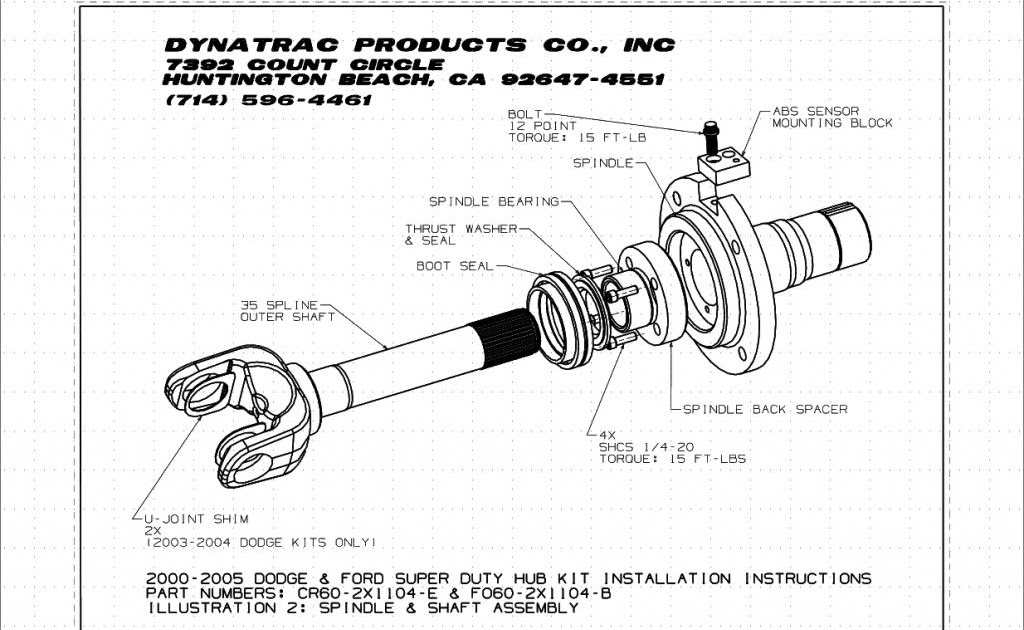
Alright, let's dive into the front suspension system of the 2001 Dodge Ram 1500. This isn't just a theoretical exercise; understanding this system is crucial for everything from diagnosing that annoying front-end clunk to upgrading your suspension for better off-road performance. Having a clear grasp of the components and their function, aided by a detailed diagram, will empower you to tackle repairs and modifications with confidence. We’ve got the detailed diagram handy – more on accessing that later.
Purpose of the Diagram
Why bother with a front suspension diagram? Simple. It's your roadmap. It provides a visual representation of all the components, their relationships, and how they fit together. This is indispensable for:
- Diagnosis: Quickly identify potential problem areas based on symptoms. Instead of blindly poking around, the diagram helps you narrow down the possibilities.
- Repair: Ensures you order the correct replacement parts. There's nothing worse than waiting for a part only to find out it's the wrong one.
- Modification: Planning upgrades, like a leveling kit or new shocks, requires a solid understanding of the existing system.
- Learning: Gain a deeper understanding of how your truck handles and how to improve its performance.
Key Specs and Main Parts of the 2001 Dodge Ram 1500 Front Suspension
The 2001 Dodge Ram 1500 utilizes an independent front suspension system. Specifically, it employs a double-wishbone, also sometimes referred to as a short-and-long-arm (SLA), configuration. This design offers a good balance of ride quality and handling.
Main Components:
- Upper Control Arm: Connects the upper portion of the steering knuckle to the frame. Crucial for controlling camber angle.
- Lower Control Arm: Connects the lower portion of the steering knuckle to the frame. Provides primary support for the suspension and influences caster angle. These arms are often the target for aftermarket upgrades.
- Steering Knuckle: Connects the control arms to the wheel hub. Provides a mounting point for the wheel bearing and steering components.
- Wheel Hub/Bearing Assembly: Allows the wheel to rotate freely.
- Coil Spring: Provides the primary suspension support, absorbing bumps and maintaining ride height.
- Shock Absorber (Damper): Controls the oscillations of the spring, preventing excessive bouncing. Important for ride quality and handling.
- Sway Bar (Stabilizer Bar): Reduces body roll during cornering. Connects to the control arms via end links.
- Sway Bar End Links: Connect the sway bar to the control arms. Common failure point due to wear and tear.
- Torsion Bar (4x4 Models): Some 4x4 models use torsion bars instead of coil springs to provide spring force. They work by twisting along their axis.
- Ball Joints: Allow articulation between the control arms and the steering knuckle. Critical for steering and suspension movement. Inspect these regularly!
- Tie Rod Ends (Inner & Outer): Connect the steering rack to the steering knuckle. Transmit steering input to the wheels.
Key Specifications: These vary depending on the specific model and configuration, but common parameters include:
- Ride Height: The distance between the frame and the ground. Critical for proper suspension geometry.
- Camber Angle: The inward or outward tilt of the wheel relative to the vertical axis. Affects tire wear and handling.
- Caster Angle: The forward or backward tilt of the steering axis. Influences steering stability and straight-line tracking.
- Toe Angle: The inward or outward pointing of the front of the tires. Crucial for tire wear.
Understanding the Diagram Symbols
The diagram isn't just a pretty picture; it's a coded language. Here’s how to decipher it:
- Solid Lines: Typically represent physical connections or components, like the control arms or the shock absorber. The thickness of the line often indicates the relative size or strength of the component.
- Dashed Lines: Often indicate hidden components or lines of action, such as the path of force through the suspension.
- Arrows: Show the direction of movement or force. For example, an arrow might indicate the direction the shock absorber compresses or the direction of travel for a control arm.
- Colors: Diagrams sometimes use colors to distinguish between different systems or materials. For example, one color might represent steel, while another represents rubber.
- Icons: Standard icons are used to represent specific components, like springs, shocks, and fasteners. A spring will always be drawn as a coiled shape, and a shock absorber will typically be represented by a cylinder with a piston rod.
Pay close attention to the callouts and labels. These will identify each component by name and often provide part numbers or torque specifications. A good diagram will also include exploded views, showing how the components fit together.
How the 2001 Dodge Ram 1500 Front Suspension Works
The beauty of the double-wishbone suspension lies in its ability to control wheel movement and maintain optimal tire contact with the road. Here’s the basic process:
- Bump Impact: When the wheel encounters a bump, the suspension compresses. The wheel moves upward, compressing the coil spring (or twisting the torsion bar).
- Energy Absorption: The coil spring (or torsion bar) absorbs the energy of the impact, preventing it from being transmitted directly to the frame and the occupants.
- Damping: The shock absorber (damper) controls the oscillations of the spring, preventing the truck from bouncing excessively. It dissipates the energy stored in the spring as heat.
- Control Arm Movement: The upper and lower control arms pivot on their respective bushings, allowing the wheel to move up and down while maintaining proper camber and caster angles (within design parameters).
- Steering: When the steering wheel is turned, the steering rack moves the tie rod ends, which in turn pivot the steering knuckles and turn the wheels. The ball joints allow the knuckles to pivot smoothly.
- Sway Bar Action: During cornering, the sway bar resists body roll by transferring force from one side of the suspension to the other. This helps to keep the truck level and improves handling.
Real-World Use: Basic Troubleshooting Tips
Here's where the diagram becomes your best friend when things go wrong:
- Clunking Noise: A clunking noise often indicates worn ball joints, sway bar end links, or control arm bushings. The diagram helps you locate these components for inspection.
- Wandering Steering: Wandering steering can be caused by worn tie rod ends or ball joints, or improper alignment. The diagram shows you the relationship between these components and the steering system.
- Excessive Bouncing: Excessive bouncing indicates worn shock absorbers. The diagram clearly shows the location and mounting points of the shocks.
- Uneven Tire Wear: Uneven tire wear can be caused by improper alignment, worn suspension components, or a combination of both. The diagram helps you understand how the suspension geometry affects tire wear.
Always start with a visual inspection. Use the diagram to identify the components you need to inspect. Look for signs of wear, damage, or looseness. Pay particular attention to the rubber bushings, ball joints, and tie rod ends.
Safety Considerations
Working on your suspension can be dangerous if you don't take proper precautions. Some components are under immense pressure, and releasing that pressure unexpectedly can lead to serious injury.
- Spring Compression: Coil springs and torsion bars store a tremendous amount of energy. Never attempt to remove or disassemble these components without the proper spring compressor tool. Failure to do so could result in serious injury or death.
- Jacking and Support: Always use jack stands to support the vehicle after lifting it with a jack. Never work under a vehicle supported only by a jack.
- Torque Specifications: Always tighten fasteners to the correct torque specifications. Using the wrong torque can lead to component failure or damage. Refer to a repair manual or the diagram for torque values.
- Wheel Alignment: After replacing any suspension components that affect alignment, be sure to have the vehicle professionally aligned.
Disclaimer: Suspension work should be performed by qualified technicians or those with proper training. Incorrect repair procedures can lead to unsafe vehicle handling and potential accidents.
Now that you have a solid understanding of the 2001 Dodge Ram 1500 front suspension system, you’re well-equipped to diagnose, repair, and even modify it. And, as mentioned, we have the detailed diagram available for you. You can download the diagram by clicking on this link: [hypothetical link to diagram]. With the diagram in hand, you'll have a visual guide to help you every step of the way.