
2001 Dodge Ram 1500 Rear Drum Brake Diagram
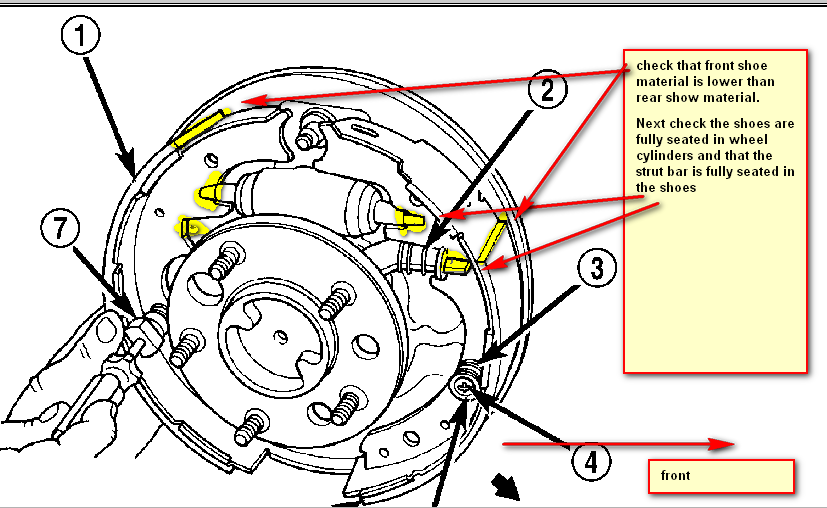
The rear drum brakes on a 2001 Dodge Ram 1500 might seem like a relic in today's world of disc brakes, but they're a reliable and cost-effective system when properly maintained. Understanding their inner workings is crucial for repairs, upgrades, and even just general maintenance. This article dives deep into the 2001 Dodge Ram 1500 rear drum brake diagram, providing you with the knowledge to tackle your next brake job with confidence. We'll cover the key components, how they function, and how to use the diagram for troubleshooting. Plus, we've got the diagram available for download!
Purpose of Understanding the Drum Brake Diagram
Why bother learning about this diagram? Several reasons:
- Repair and Maintenance: The diagram is your roadmap for replacing worn brake shoes, drums, wheel cylinders, or springs. It shows you exactly how everything fits together, preventing frustrating reassembly errors.
- Troubleshooting: Identify the cause of common brake issues like squealing, grinding, or a soft brake pedal. The diagram helps you pinpoint the failing component.
- Upgrades: While less common, some owners might consider performance upgrades to their drum brakes. Understanding the system's layout is essential before making any modifications.
- General Knowledge: Even if you don't plan on working on your brakes yourself, knowing how they work can help you communicate more effectively with your mechanic and understand their recommendations.
Key Specs and Main Parts
Before we dive into the diagram itself, let's review the key specs and main parts of the 2001 Dodge Ram 1500 rear drum brake system. This particular system is typically a 11" x 2.5" drum brake setup, but it's always wise to double-check the specification on your specific truck. Here's a breakdown of the crucial components:
- Brake Drum: The large, rotating cylinder that the brake shoes press against to create friction and slow the vehicle. It's a wearing part and needs replacing when it reaches its wear limit (determined by measuring its inner diameter with a brake drum micrometer).
- Brake Shoes: The friction material (linings) bonded to metal shoes that press against the inside of the drum. These wear down over time and are the most commonly replaced component. They consist of a primary shoe (leading shoe) and a secondary shoe (trailing shoe), designed for optimal braking performance in forward and reverse.
- Wheel Cylinder: A hydraulic cylinder that uses brake fluid pressure to push the brake shoes outwards against the drum. Crucially, if you are replacing a wheel cylinder, do so in pairs, even if only one side is leaking.
- Return Springs: These springs pull the brake shoes away from the drum when the brake pedal is released, allowing the wheels to rotate freely. There are typically two return springs: an upper and a lower.
- Hold-Down Springs: These small springs, with accompanying pins and caps, hold the brake shoes securely against the backing plate.
- Adjuster Screw Assembly: This mechanism allows you to adjust the brake shoe clearance, ensuring proper brake engagement. It consists of a star wheel, adjuster screw, and connecting link. This is *essential* for maintaining proper pedal height and brake effectiveness.
- Parking Brake Lever and Strut: These components connect the parking brake cable to the brake shoes, allowing you to mechanically apply the brakes when parked.
- Backing Plate: The stationary plate that supports all the brake components.
Understanding the Diagram Symbols
A typical drum brake diagram will use various lines, colors, and icons to represent different components and connections. Here’s a general guide (refer to the downloaded diagram for specifics):
- Solid Lines: Usually represent physical parts, such as brake shoes, springs, or the backing plate.
- Dashed Lines: May indicate the path of movement or the location of hidden components.
- Colors: Different colors can be used to distinguish between different types of springs or connections. For example, a blue line might represent a specific type of return spring.
- Arrows: Indicate the direction of movement or force. For instance, arrows on the wheel cylinder show the direction the pistons move to engage the brakes.
- Cutaway Views: These show the internal workings of components like the wheel cylinder or adjuster assembly.
- Labels: Each component is labeled with a corresponding number or abbreviation. A legend on the diagram will explain what each label means.
Pay close attention to the orientation of the parts in the diagram. The left and right rear brakes are mirror images of each other, so the placement of components will be reversed.
How It Works: Drum Brake Operation
When you press the brake pedal, hydraulic pressure is applied to the wheel cylinders. The pistons inside the wheel cylinders move outward, pushing the brake shoes against the inside of the brake drum. The friction between the brake shoes and the drum slows the drum's rotation, which in turn slows the wheels and the vehicle. The return springs pull the brake shoes away from the drum when the brake pedal is released. The adjuster screw assembly automatically compensates for brake shoe wear, maintaining proper brake shoe clearance.
The self-energizing effect of drum brakes amplifies the braking force. As the primary shoe contacts the drum, it's dragged along in the direction of rotation, increasing the force applied by the secondary shoe. This design provides strong braking performance but also makes drum brakes more susceptible to fade under heavy use.
Real-World Use: Basic Troubleshooting Tips
The diagram is invaluable when troubleshooting brake problems. Here are a few common issues and how the diagram can help:
- Squealing Brakes: Often caused by worn brake shoes or glazed drum surfaces. The diagram helps you locate and inspect the brake shoes for wear. Also, inspect the inside of the brake drum for scoring or glazing.
- Grinding Brakes: Usually indicates that the brake shoes are worn down to the metal, and the metal shoe backing is contacting the drum. The diagram confirms the location of the shoes and their relationship to the drum. This *requires* immediate attention to prevent drum damage.
- Soft Brake Pedal: Can be caused by air in the brake lines, a leaking wheel cylinder, or improperly adjusted brakes. The diagram highlights the location of the wheel cylinder, allowing you to inspect it for leaks. Use the diagram as a reference to properly adjust the brake shoes using the adjuster screw assembly.
- Parking Brake Not Holding: Often due to a stretched parking brake cable or a malfunctioning parking brake lever. The diagram shows the connection between the parking brake cable, lever, and brake shoes.
- Brake Drag: Could be caused by a seized wheel cylinder, weak return springs, or an over-adjusted brake. The diagram helps you inspect these components for proper function.
Safety Considerations
Working on brakes involves dealing with potentially hazardous components and materials. Here are some important safety precautions:
- Brake Dust: Brake dust contains asbestos (in older models) and other harmful materials. Always wear a dust mask and gloves when working on brakes. Avoid breathing in brake dust. Clean brake components with a brake cleaner specifically designed for this purpose.
- Brake Fluid: Brake fluid is corrosive and can damage painted surfaces. Wipe up any spills immediately.
- Springs: Brake springs are under tension and can cause injury if they suddenly release. Use the proper brake spring tools to safely remove and install them.
- Jacking and Support: Always use jack stands to support the vehicle when working underneath it. Never rely solely on the jack.
- Torque Specifications: Use a torque wrench to tighten all fasteners to the manufacturer's specified torque. Improperly tightened fasteners can lead to brake failure.
- Wheel Cylinders: Be cautious when handling wheel cylinders, as they contain brake fluid under pressure. Depressurize the system before disconnecting brake lines.
Remember to always consult the 2001 Dodge Ram 1500 service manual for specific instructions and torque specifications related to your vehicle.
You now have a solid understanding of the 2001 Dodge Ram 1500 rear drum brake system and how to use the diagram for repairs and troubleshooting. Happy wrenching!
Download the Diagram: We have the complete and detailed 2001 Dodge Ram 1500 rear drum brake diagram ready for you. (Assume there's a link here to download a file named '2001_Dodge_Ram_1500_Rear_Drum_Brake_Diagram.pdf')