
2002 Chevy Avalanche Front Suspension Diagram
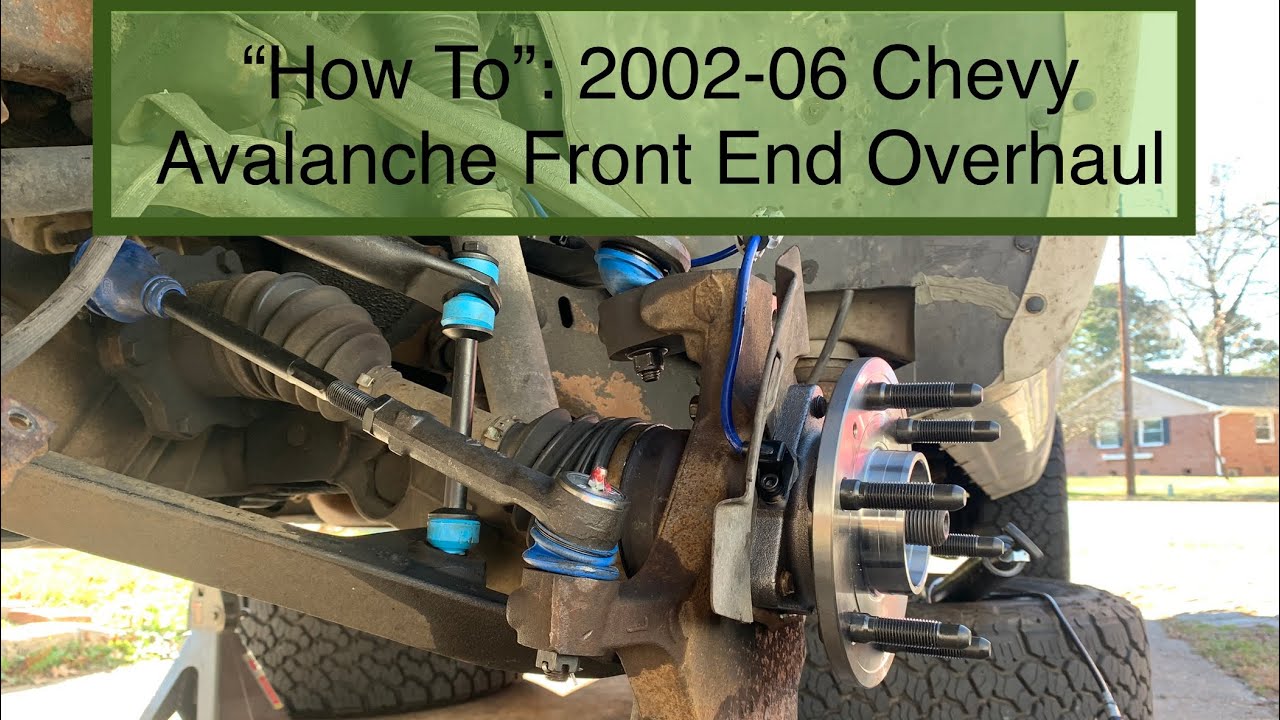
Alright, let's dive into the front suspension of a 2002 Chevy Avalanche. This isn't just about turning wrenches; it's about understanding how your truck handles, rides, and stays safe on the road. Having a clear understanding, preferably aided by a detailed diagram, can be invaluable for anything from routine maintenance to tackling more complex repairs or even planning custom modifications. Think of it as a roadmap to your Avalanche's front end.
Purpose of a Front Suspension Diagram
Why bother with a diagram? Simple. It's your guide to understanding the system. Specifically, a detailed diagram like the one we have available, allows you to:
- Identify Components: Know what's what – from the upper control arm to the torsion bar.
- Understand Relationships: See how each part connects and interacts with the others.
- Troubleshoot Problems: Pinpoint potential issues based on symptoms and location.
- Plan Repairs: Determine what parts you need and the best way to access them.
- Consider Modifications: Visualize how changes, like a lift kit, will affect the geometry and performance.
Basically, without a diagram, you're working blind. And when it comes to suspension, that's never a good idea.
Key Specs and Main Parts of the 2002 Avalanche Front Suspension
The 2002 Chevy Avalanche utilizes an independent front suspension system, specifically a torsion bar setup. This was common for GM trucks of this era, offering a good balance of strength and ride quality. Here's a rundown of the critical components:
Main Components:
- Upper Control Arm (UCA): This pivots the top of the spindle/knuckle and helps control wheel movement. It's usually connected to the frame via bushings and a ball joint to the spindle.
- Lower Control Arm (LCA): Similar to the UCA, but located at the bottom. It also pivots and plays a crucial role in wheel movement and stability. The LCA is connected to the frame, the spindle, and the torsion bar.
- Spindle/Knuckle: This is the component that holds the wheel hub, bearings, and brake assembly. It pivots, allowing the wheels to steer.
- Torsion Bar: A long spring steel bar that acts as the primary spring. One end is anchored to the lower control arm, and the other end is anchored to an adjustable crossmember. Twisting the bar provides resistance and supports the vehicle's weight. The adjustment bolts on the crossmember are how you adjust the ride height.
- Shock Absorber: Dampens oscillations and controls the rate of compression and rebound. Without shocks, the truck would bounce uncontrollably.
- Wheel Hub Assembly: Contains the wheel bearings that allow the wheel to rotate freely.
- Ball Joints: Spherical bearings that allow the control arms to move up and down while the spindle rotates for steering. There are typically two ball joints per side – one connecting the upper control arm to the spindle, and one connecting the lower control arm to the spindle.
- Sway Bar (Stabilizer Bar): Connects the left and right sides of the suspension to reduce body roll during cornering. It resists independent movement of the wheels.
- Bump Stops: Prevent the suspension from bottoming out, protecting the other components from damage during large impacts.
Key Specs:
While specific dimensions and torque specs vary depending on the specific configuration and trim level, understanding the following concepts is vital:
- Ride Height: Measured from the ground to a specific point on the frame or body. This is adjusted via the torsion bar adjusting bolts.
- Alignment Angles: Camber (the angle of the wheel relative to vertical), Caster (the angle of the steering axis relative to vertical), and Toe (the inward or outward angle of the wheels). These angles are critical for proper handling, tire wear, and stability.
- Torque Specifications: The amount of force applied to tighten fasteners (nuts and bolts). Using the correct torque is *essential* to ensure proper component function and prevent damage.
Always consult the factory service manual or a reputable repair database for the specific torque specifications for your Avalanche.
Understanding Symbols in the Diagram
A good diagram isn't just a picture; it's a language. Here's how to decipher it:
- Lines: Solid lines typically represent physical connections between components. Dashed lines might indicate hidden lines or lines representing movement or linkages.
- Colors: Some diagrams use colors to differentiate between different types of components or systems (e.g., red for hydraulic lines, blue for electrical wires).
- Icons/Symbols: These represent specific components. For instance, a coil spring might be shown as a coiled line, while a shock absorber could be depicted as a cylinder with a piston.
- Arrows: Indicate the direction of movement, force, or fluid flow.
- Callouts: Numbers or letters that correspond to a key or legend, identifying each part.
The legend is your key to unlocking the diagram. Always refer to it to understand the meaning of the symbols and lines used.
How the 2002 Avalanche Front Suspension Works
Here’s a simplified explanation of the suspension's function:
- Weight Support: The torsion bars provide the primary support for the vehicle's weight. Twisting of the bars resists the load.
- Wheel Movement: When the wheels encounter bumps or dips, the lower control arm moves up and down.
- Torsion Bar Activation: The movement of the lower control arm twists the torsion bar, storing energy and providing resistance.
- Damping: The shock absorbers dampen the oscillations caused by the torsion bar, preventing the vehicle from bouncing excessively.
- Steering: The spindle pivots on the ball joints, allowing the wheels to turn for steering.
- Stability: The sway bar helps to minimize body roll during cornering by transferring some of the suspension load from one side of the vehicle to the other.
The independent nature of the suspension means that each wheel can respond to road conditions independently, improving ride quality and handling.
Real-World Use: Basic Troubleshooting Tips
Now, let's put this knowledge to practical use. Here are some common symptoms and potential causes:
- Clunking Noises: Could be worn ball joints, loose control arm bushings, or a damaged sway bar link. Carefully inspect these components for play or damage.
- Excessive Bouncing: Worn or damaged shock absorbers are the most likely culprit.
- Uneven Tire Wear: Misalignment is a common cause. Have the alignment checked and adjusted by a qualified technician. Could also be caused by worn ball joints or tie rod ends.
- Poor Handling: Can be caused by a variety of issues, including worn suspension components, misalignment, or low tire pressure.
- Sagging Ride Height: This usually indicates worn torsion bars that need to be replaced or readjusted.
The diagram will help you locate these components and understand their relationship to the problem. Remember to start with visual inspections before replacing parts. And when in doubt, consult a professional.
Safety Considerations
Suspension work can be dangerous. Here are some key safety points:
- Spring Compression: Torsion bars store a significant amount of energy. Never attempt to disassemble or remove torsion bars without the proper tools and knowledge. Releasing a torsion bar under tension can cause serious injury or even death.
- Vehicle Support: Always use jack stands to support the vehicle when working underneath it. Never rely solely on a jack.
- Eye Protection: Wear safety glasses to protect your eyes from debris.
- Proper Tools: Use the correct tools for the job. Don't improvise.
- Torque Specifications: Always tighten fasteners to the correct torque specifications.
Specifically, the 2002 Avalanche’s torsion bar setup is inherently risky. Improper handling can lead to severe injury. If you are not comfortable working with torsion bars, it is best to leave this work to a qualified professional.
With a solid understanding of the diagram and the components it represents, you'll be well-equipped to tackle basic maintenance, troubleshooting, and even some modifications on your 2002 Chevy Avalanche's front suspension. Remember to prioritize safety, consult the service manual, and don't hesitate to seek professional help when needed. This knowledge, paired with the right tools, will make you a more confident and capable DIYer.
As we mentioned, we have the 2002 Chevy Avalanche Front Suspension Diagram available for download. This resource will give you a deeper look at the system, and make the repair process easier. Contact us for more information about how to obtain a copy.