
2002 Chevy Silverado Serpentine Belt Diagram
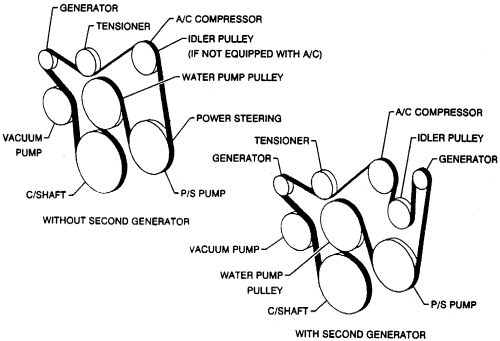
Alright, let's talk about the serpentine belt diagram for the 2002 Chevy Silverado. This isn't just some pretty picture; it's your roadmap for keeping your engine running smoothly. Whether you're tackling a repair, diagnosing a squealing noise, or just expanding your automotive knowledge, understanding this diagram is crucial. We're aiming for a deep dive here, so get ready to roll up your sleeves.
Purpose – The Why of the Diagram
Why do you need this diagram? Simple. The serpentine belt is a critical component. It's a single, continuous belt that snakes around various engine accessories, powering them all from a single source: the engine's crankshaft. Without a properly functioning serpentine belt system, you're looking at a dead truck. The diagram helps you:
- Replace the belt correctly: If you install the belt incorrectly, it won't route properly, leading to component failure and potential engine damage.
- Diagnose problems: A visual aid helps you identify which component might be causing a squealing, slipping, or even a completely broken belt.
- Understand the system: Even if you're not actively repairing anything, understanding how the belt system works gives you a better appreciation for how your engine operates.
- Verify Correct Installation: Even if someone else did the work, the diagram is a good way to check and make sure everything is in the correct place.
Key Specs and Main Parts
The 2002 Silverado came with a few engine options, and each engine might have a slightly different serpentine belt routing. The most common engines were the 4.3L V6, the 4.8L V8, and the 5.3L V8. Make sure you're using the diagram specific to your engine!
The main components the serpentine belt drives are:
- Crankshaft Pulley: This is the heart of the system. It's directly connected to the engine's crankshaft and provides the rotational force to drive the belt.
- Alternator: The alternator generates electricity to power your truck's electrical system and charge the battery. If the belt slips on the alternator pulley, your battery won't charge properly.
- Power Steering Pump: This pump provides hydraulic pressure to assist with steering. A failing belt can make steering difficult or impossible.
- Air Conditioning Compressor: The A/C compressor pressurizes the refrigerant to cool the air in your cabin. A faulty belt can lead to a hot and uncomfortable ride.
- Water Pump: The water pump circulates coolant through the engine to prevent overheating. This is the most critical component. If the belt fails here, your engine can overheat very quickly, leading to catastrophic damage.
- Idler Pulley(s): These pulleys provide a smooth path for the belt and maintain proper tension. They are usually smooth and don't drive any accessories.
- Tensioner Pulley: This is a spring-loaded pulley that automatically maintains the correct tension on the belt. A worn tensioner can cause belt slippage and noise.
Symbols – Deciphering the Diagram
The diagram itself isn't complex, but understanding the symbols is key.
- Solid Lines: These represent the front of the serpentine belt (the side that contacts the pulleys).
- Dotted Lines: These generally indicate the back of the serpentine belt (the smooth side). This is how you know which way the belt is routed around a specific pulley.
- Arrows: These show the direction of belt travel. Follow the arrows to ensure the belt is routed correctly.
- Component Symbols: Each component (alternator, water pump, etc.) is usually represented by a simplified icon. The diagram key will tell you what each icon represents.
- Tensioner: The tensioner pulley usually includes a spring icon to denote that it's under spring tension.
How It Works – The Serpentine System in Action
The crankshaft pulley spins, transferring its rotational force to the serpentine belt. The belt, in turn, drives all the accessory pulleys. The tensioner pulley keeps the belt taut, preventing slippage. The routing is designed so that each accessory receives the necessary power to function correctly. For example, the alternator needs a certain RPM to generate enough electricity, and the water pump needs to circulate coolant efficiently. The belt routing ensures that all these requirements are met.
The tensioner is a critical element. It automatically adjusts to compensate for belt stretch over time. A weak or failing tensioner will cause the belt to slip, resulting in noise, reduced accessory performance (dim headlights, weak A/C), and eventually belt failure.
Real-World Use – Troubleshooting Tips
Here are some common problems and how the diagram helps diagnose them:
- Squealing Noise: A squealing noise often indicates belt slippage. Use the diagram to check if the belt is properly routed and tensioned. Inspect the pulleys for wear or damage. A worn pulley can cause the belt to vibrate and squeal.
- Accessory Failure: If your alternator, power steering, or A/C isn't working correctly, check the belt routing to ensure it's driving the corresponding pulley. A broken or slipping belt could be the culprit.
- Overheating: If your engine is overheating, the water pump may not be circulating coolant properly. Check the belt routing around the water pump pulley.
- Belt Breakage: Frequent belt breakage could indicate a misaligned pulley, a worn tensioner, or a seized accessory. Use the diagram to inspect the entire system for any issues. Also, make sure you are purchasing a belt that meets or exceeds OEM specifications. A cheap, low-quality belt will be prone to premature failure.
Safety – Respect the Rotating Parts
Working on the serpentine belt system can be dangerous. Here's what you need to keep in mind:
- Never work on the system with the engine running! This is extremely dangerous. The rotating belt and pulleys can cause serious injury.
- Disconnect the negative battery terminal before starting any work to prevent accidental starting of the engine.
- Keep your hands, hair, and clothing away from the belt and pulleys at all times.
- If you're unsure about any step, consult a qualified mechanic. It's better to be safe than sorry.
- The water pump can become extremely hot. Be very cautious when working near it, especially after the engine has been running.
- Proper tools are a must! Don't try to improvise with wrenches that don't fit. You'll risk damaging the components and injuring yourself. A serpentine belt tool is highly recommended for removing and installing the belt.
Replacing the belt tensioner is a relatively simple task, but it's a good idea to do it whenever you replace the serpentine belt, particularly if you've noticed any of the symptoms described above. A new tensioner will ensure that the belt is properly tensioned and will help to prevent future problems.
Don't forget to check the condition of all the pulleys while you're working on the system. Look for any signs of wear, damage, or misalignment. If you find any problems, replace the affected pulleys to ensure the serpentine belt system operates correctly.
We have the 2002 Chevy Silverado serpentine belt diagram available for download. It will be a valuable resource as you work on your truck's serpentine belt system. Download it and keep it handy for future reference.