
2002 Dodge Ram 1500 5.9 Serpentine Belt Diagram
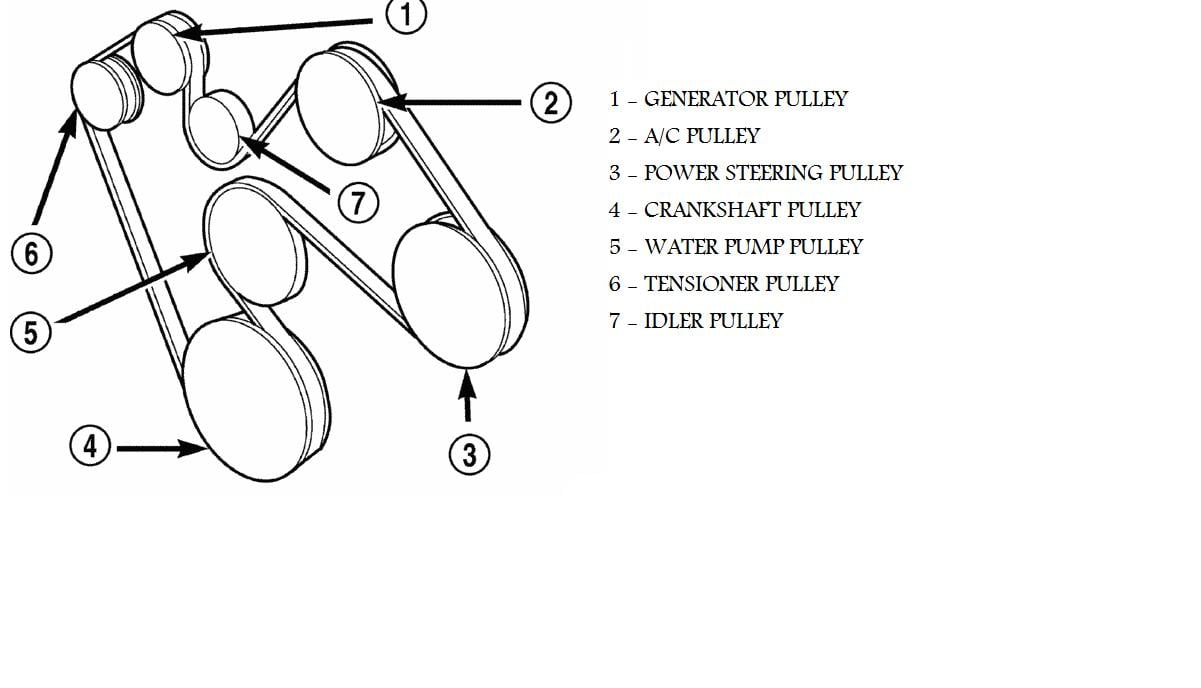
Alright folks, let's dive into the serpentine belt system on the 2002 Dodge Ram 1500 with the 5.9L engine. This article will break down the serpentine belt diagram, explaining its purpose, components, how it functions, and how you can use it for troubleshooting. Whether you're tackling a routine belt replacement, diagnosing a squealing noise, or just want a better understanding of your truck, this guide will equip you with the knowledge you need. Understanding this setup is crucial for keeping your Ram running smoothly, preventing breakdowns, and saving you money on potentially expensive repairs.
Purpose of the Serpentine Belt Diagram
The serpentine belt diagram isn't just a pretty picture; it's an essential tool for several reasons:
- Proper Belt Routing: The most obvious use. It shows the *exact* path the serpentine belt should follow around all the pulleys. Incorrect routing can lead to belt slippage, component failure, and even catastrophic engine damage.
- Belt Replacement: When replacing a worn or broken belt, the diagram ensures you install the new one correctly. This is especially vital if the old belt snapped and you can't recall the routing.
- Troubleshooting: A diagram helps you identify each component in the system. This makes diagnosing issues like a noisy power steering pump or a failing AC compressor easier, as you know which components are driven by the belt.
- Understanding System Operation: Even if everything is working fine, studying the diagram allows you to grasp how the various engine accessories are powered by a single belt.
Key Specs and Main Parts
The 2002 Dodge Ram 1500 5.9L engine typically uses a single serpentine belt to drive the following components:
- Crankshaft Pulley (Damper): This is the main driver pulley, connected directly to the crankshaft. It's often called a damper because it contains a rubber element designed to absorb torsional vibrations from the engine, preventing damage to the crankshaft and other components.
- Alternator: Driven by the belt to generate electrical power for the vehicle.
- Power Steering Pump: Provides hydraulic assistance to the steering system, making it easier to turn the wheel.
- Air Conditioning (AC) Compressor: Compresses refrigerant to cool the cabin air.
- Water Pump: Circulates coolant throughout the engine to regulate temperature. This is critical for engine health.
- Idler Pulley(s): Smooth, bearing-mounted pulleys that guide the belt and maintain proper tension and wrap angle around other pulleys.
- Tensioner Pulley: This spring-loaded pulley applies the necessary tension to the serpentine belt, preventing slippage. It's crucial for proper system operation.
- Serpentine Belt: The long, rubber belt itself, responsible for transferring rotational force from the crankshaft to the other components.
Key Specs: While the exact belt length can vary slightly based on options, the 2002 Dodge Ram 1500 5.9L typically uses a serpentine belt around 90-93 inches in length. Always double-check the part number recommended for your specific vehicle and engine configuration. Consider a high-quality aftermarket belt from a reputable brand for increased durability and lifespan. Gates and Goodyear (Continental) are popular choices.
Diagram Symbols: Understanding the Visual Language
A good serpentine belt diagram will use specific symbols to represent the components and belt path. Here's a breakdown:
- Solid Line: Represents the portion of the serpentine belt that is in contact with the pulley.
- Dashed Line: Indicates the portion of the serpentine belt that is *not* in contact with a pulley and is "floating" between pulleys.
- Circles/Rounded Shapes: Represent pulleys. The size can sometimes indicate the relative diameter of the pulley.
- Arrows: Indicate the direction of rotation for each pulley. This is important for understanding how the belt transfers power.
- Component Labels: Abbreviations like "ALT" for alternator, "P/S" for power steering, "A/C" for air conditioning, "WP" for water pump, "IDL" for idler, and "TEN" for tensioner are used to identify each component.
Color coding isn't typically used in serpentine belt diagrams, but some aftermarket diagrams might use different colors to highlight specific sections or the direction of belt travel. Always refer to the diagram's legend or key if color coding is used.
How It Works: The Serpentine Belt System in Action
The serpentine belt system is a clever design that allows a single belt to power multiple engine accessories. The crankshaft pulley, driven by the engine, turns the serpentine belt. The belt, in turn, wraps around all the other pulleys, transferring rotational force to each component. The tensioner pulley plays a critical role by maintaining constant tension on the belt. This tension ensures proper grip on the pulleys, preventing slippage and ensuring efficient power transfer.
The path the belt takes is crucial. The routing is designed to maximize the wrap angle (the amount of contact the belt has with each pulley) on components that require more power, such as the power steering pump and AC compressor. Idler pulleys are strategically placed to guide the belt and increase the wrap angle on certain pulleys. Without adequate wrap angle, the belt could slip, especially under heavy load.
Real-World Use: Troubleshooting with the Diagram
Here are a few common issues where a serpentine belt diagram can be invaluable:
- Squealing Noise: A squealing noise often indicates a slipping belt. Use the diagram to check the belt routing and tensioner pulley. A worn tensioner might not be providing enough tension. Also check for any signs of contamination on the belt (oil, coolant, etc.).
- Accessory Failure: If a specific accessory (like the AC compressor) isn't working, the diagram can help you verify that the belt is properly routed around its pulley. A broken or seized pulley will prevent the belt from turning that component.
- Belt Wear: Examine the belt for cracks, fraying, or missing chunks. Compare the belt's condition to the diagram to ensure it's properly aligned and not rubbing against anything. Uneven wear patterns can indicate misalignment or pulley problems.
- Belt Jumping off Pulleys: Misalignment of a pulley or excessive vibration due to a failing component (like the crankshaft damper) can cause the belt to jump off the pulleys. The diagram will help you identify the correct alignment of all pulleys.
Basic Troubleshooting Steps:
- Visually inspect the belt for wear, damage, and proper routing using the diagram.
- Check the tensioner pulley for smooth operation and proper tension.
- Inspect all pulleys for signs of damage, wobble, or binding.
- Look for any leaks or contamination that could be affecting the belt's grip.
Safety First: Handle with Care
Working on the serpentine belt system involves some inherent risks:
- Rotating Parts: The engine *must* be off when working on the serpentine belt. Even a brief touch with a spinning belt can cause serious injury.
- Hot Components: The engine and its components can get extremely hot. Allow the engine to cool completely before working on the serpentine belt.
- Spring-Loaded Tensioner: The tensioner pulley is under significant spring tension. Use the correct tool to relieve the tension before removing or installing the belt. Improper handling can cause the tensioner to snap back with considerable force, leading to injury. Eye protection is crucial.
- Battery Disconnect: It's always a good practice to disconnect the negative battery terminal before working on any electrical components, including the alternator, which is part of the serpentine belt system. This prevents accidental shorts.
Important Note: If you're not comfortable working on the serpentine belt system, it's best to take your truck to a qualified mechanic. Incorrect installation or improper troubleshooting can lead to serious engine damage.
We've covered the essentials of the 2002 Dodge Ram 1500 5.9L serpentine belt diagram. It's a valuable resource for understanding, maintaining, and troubleshooting your truck's accessory drive system. Remember to always prioritize safety and consult the diagram whenever you're working on the serpentine belt.
We have the serpentine belt diagram file available for you to download. This detailed diagram will be a great asset for your DIY projects.