
2003 Chevy Silverado Power Steering Hose Diagram
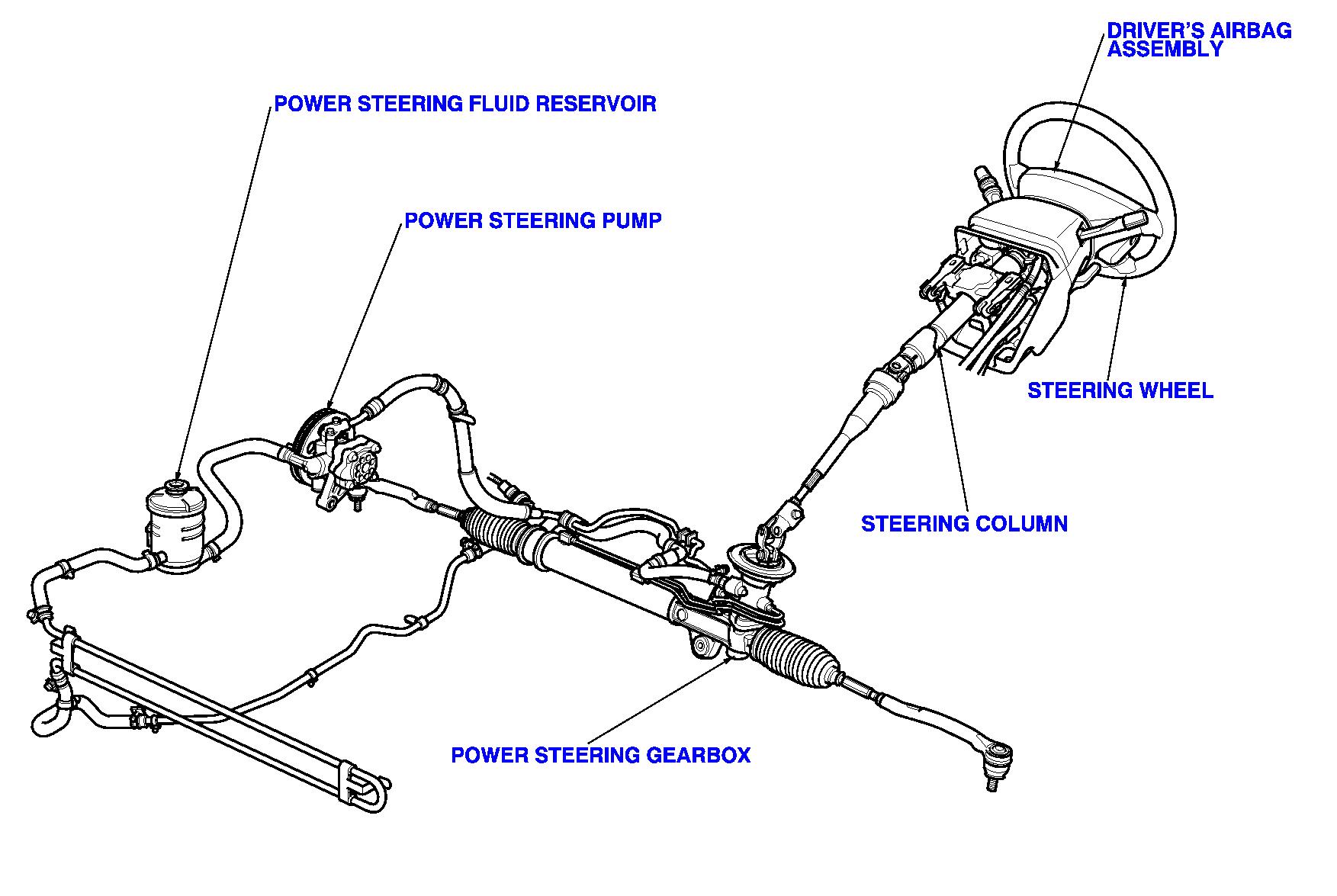
Alright, let's dive into the power steering system of a 2003 Chevy Silverado. Specifically, we're going to break down the power steering hose diagram. This isn't just a pretty picture; it's your roadmap for understanding, diagnosing, and potentially repairing your Silverado's steering. Whether you're experiencing stiff steering, leaks, or just want to know your truck better, this guide will help.
Purpose of the Power Steering Hose Diagram
Why bother with this diagram? Several reasons, actually. First and foremost, it's invaluable for repairs and maintenance. Identifying a leaking hose, tracing its path, and understanding how it connects to other components is critical. Second, it's a great learning tool. Understanding the flow of hydraulic fluid through the system demystifies the whole power steering process. Finally, it can be helpful for modifications or upgrades. If you're planning on installing an aftermarket cooler or modifying the system in any way, knowing the original configuration is essential. Having the correct diagram ensures you order the correct replacement parts, preventing frustrating delays and potential errors.
Key Specs and Main Parts of the 2003 Silverado Power Steering System
Before we dissect the diagram, let's cover the key components involved. We're focusing on the 2003 Chevy Silverado, but variations can occur based on engine size (e.g., 4.3L V6, 4.8L V8, 5.3L V8, 6.0L V8) and whether it's a 1500, 2500, or 3500 model. However, the fundamental principles and layout remain consistent.
Main Parts:
- Power Steering Pump: The heart of the system. It's a belt-driven pump that pressurizes the power steering fluid. Expect a typical operating pressure of 800-1450 PSI, depending on the load.
- Power Steering Reservoir: This holds the power steering fluid. It typically has markings for MIN and MAX fill levels.
- High-Pressure Hose: This hose carries the high-pressure fluid from the pump to the steering gear. It's a reinforced hose designed to withstand significant pressure.
- Low-Pressure (Return) Hose: This hose carries the fluid back from the steering gear to the reservoir. It's generally less robust than the high-pressure hose.
- Steering Gear (or Steering Box): This converts the rotational motion of the steering wheel into linear motion to move the steering linkage.
- Power Steering Cooler (Optional): Some Silverado models, especially those used for towing or heavy-duty applications, may have a power steering cooler to help dissipate heat.
- Hose Clamps: These secure the hoses to the various components.
Understanding the Symbols in the Power Steering Hose Diagram
Diagrams use symbols to represent different components and connections. Getting familiar with these makes the diagram much easier to understand. Here's a general breakdown:
- Lines: Lines represent hoses or pipes.
- Solid lines usually indicate high-pressure lines.
- Dashed lines usually indicate low-pressure or return lines.
- Lines with arrows indicate the direction of fluid flow.
- Colors: While not always present, colors can further differentiate hose types. For example, a red line might represent the high-pressure side, and a blue line the low-pressure side.
- Rectangles: Often represent the power steering pump, reservoir, or steering gear. Look for labels or abbreviations (e.g., "P/S Pump," "Reservoir," "Steering Gear").
- Circles: May represent fittings or connections.
- Triangles: Can indicate valves or pressure relief mechanisms.
Important Note: The exact symbols can vary slightly depending on the diagram source. Always refer to the legend or key that accompanies the diagram for clarification.
How the 2003 Silverado Power Steering System Works
Now, let's trace the path of the power steering fluid:
- The power steering pump draws fluid from the reservoir.
- The pump pressurizes the fluid and sends it through the high-pressure hose to the steering gear.
- Inside the steering gear, the pressurized fluid assists in turning the wheels. When you turn the steering wheel, valves inside the gear direct the fluid to the appropriate side of the steering linkage, making it easier to steer.
- After passing through the steering gear, the fluid, now at a lower pressure, flows through the low-pressure (return) hose back to the reservoir.
- If equipped, the fluid may pass through a power steering cooler before returning to the reservoir to dissipate heat.
This continuous cycle of fluid flow provides the power assist that makes steering your Silverado so much easier, especially at low speeds.
Real-World Use: Basic Troubleshooting Tips
The power steering hose diagram can be immensely helpful when troubleshooting problems. Here are a few common scenarios:
- Power Steering Fluid Leak: Using the diagram, you can trace the hoses to identify the source of the leak. Look for wet spots, drips, or signs of fluid accumulation around the hoses, fittings, pump, or steering gear. Pay special attention to hose connections and crimps on the high-pressure hose.
- No Power Assist (Stiff Steering): Check the fluid level in the reservoir. A low fluid level can indicate a leak or a failing pump. If the fluid level is good, inspect the drive belt to the power steering pump. A loose or broken belt can prevent the pump from operating correctly. The diagram will help you visualize the belt's routing.
- Noisy Power Steering Pump: A whining or groaning noise from the power steering pump can indicate low fluid, air in the system, or a failing pump. Check the fluid level and bleed the system if necessary. The diagram will show you the reservoir where you would typically add fluid.
When diagnosing power steering issues, remember to start with the simplest checks first: fluid level, belt condition, and visual inspection of the hoses and connections. The diagram is your visual aid throughout this process.
Safety Considerations
Working on the power steering system involves some risks. Here are a few key safety points:
- High Pressure: The high-pressure hose carries fluid at extremely high pressure. Never disconnect this hose while the engine is running. Even with the engine off, the system may retain some pressure. Relieve the pressure before disconnecting any lines.
- Hot Fluid: Power steering fluid can get very hot. Allow the system to cool down before working on it to avoid burns.
- Eye Protection: Always wear safety glasses when working on hydraulic systems. Fluid can spray under pressure and cause serious eye injury.
- Proper Disposal: Dispose of used power steering fluid properly. It's a hazardous waste and should not be poured down drains or onto the ground. Take it to a recycling center.
When replacing hoses, always use the correct replacement parts for your specific Silverado model and engine. Using the wrong hose can lead to leaks, system failures, or even dangerous situations.
By understanding the power steering hose diagram and following these safety precautions, you can confidently tackle many power steering repairs and maintenance tasks on your 2003 Chevy Silverado.
We have the full, detailed 2003 Chevy Silverado power steering hose diagram available for download. This diagram includes all the necessary details for your specific model, including hose routing, fitting types, and component locations. Having this resource at your fingertips will make your repairs much easier and more accurate. You can download it here: [Hypothetical Download Link - Replace with actual link].