
2003 Chevy Silverado Serpentine Belt Diagram
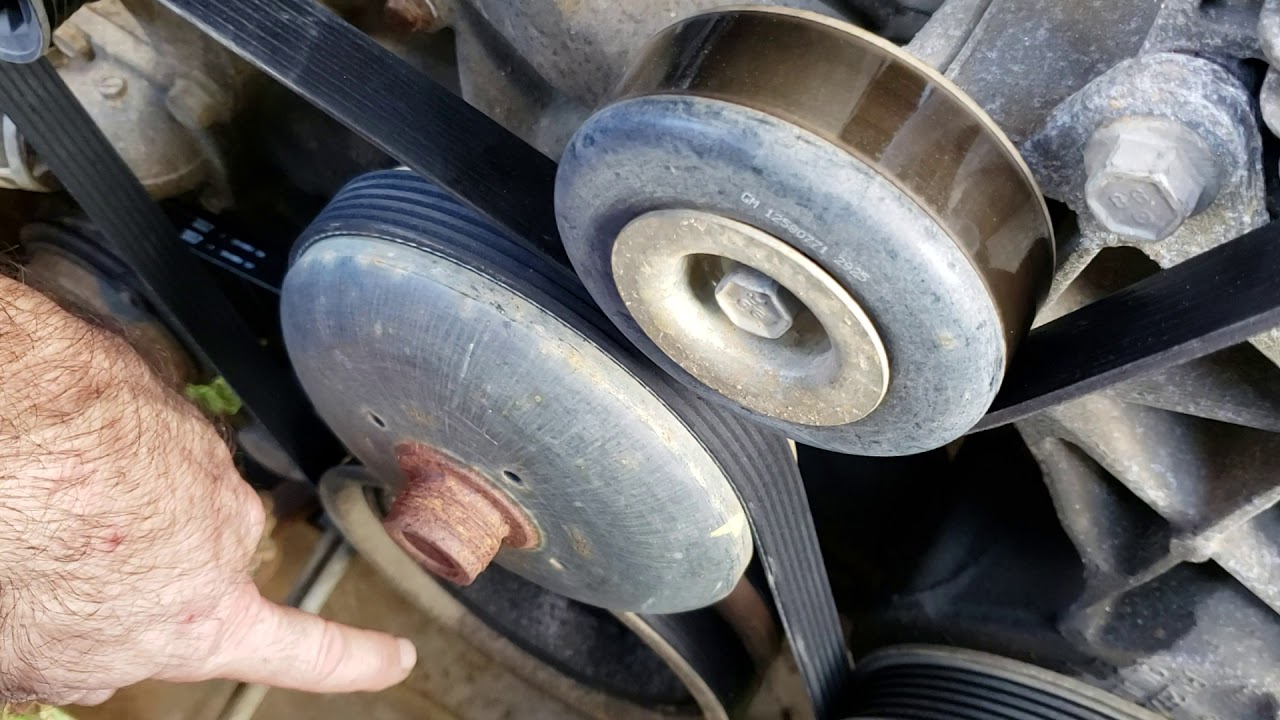
Alright, let's dive into the serpentine belt diagram for the 2003 Chevy Silverado. Whether you're tackling a repair, replacing a worn belt, or simply expanding your automotive knowledge, understanding this diagram is crucial. It's your roadmap to ensuring your accessories are spinning as they should.
Purpose of the Serpentine Belt Diagram
The serpentine belt diagram isn't just a pretty picture; it's your lifeline when dealing with accessory drive issues. Its primary purposes are:
- Belt Routing: This is the most obvious. It shows you the precise path the belt takes around all the pulleys. A correctly routed belt is essential for proper accessory function.
- Component Identification: The diagram labels each pulley and the accessory it drives (alternator, power steering pump, A/C compressor, etc.). This helps you identify components quickly and accurately.
- Troubleshooting: By comparing the diagram to your actual engine, you can quickly identify missing or misaligned components, which can cause belt slippage or failure.
- Maintenance: The diagram serves as a handy reference when inspecting the belt for wear and tear. You can easily check for proper tensioner operation and pulley alignment.
Key Specs and Main Parts (2003 Silverado)
Before we get into the diagram itself, let's cover some key components and specifications:
- Engine Options: The 2003 Silverado came with several engine options, most commonly the 4.3L V6 (LU3), 4.8L V8 (LR4), and 5.3L V8 (LM7 or L59). *Each engine may have a slightly different serpentine belt routing.* Pay close attention to which engine you have when consulting the diagram.
- Belt Length: The specific belt length varies depending on the engine and whether or not you have the heavy-duty cooling package. Refer to your owner's manual or a parts catalog for the correct length. Using the wrong length belt will cause performance issues or damage.
- Main Components:
- Crankshaft Pulley: The driving pulley, connected to the engine's crankshaft.
- Alternator Pulley: Powers the electrical system.
- Power Steering Pump Pulley: Provides hydraulic assistance for steering.
- A/C Compressor Pulley: Cools the cabin air.
- Water Pump Pulley: Circulates coolant to regulate engine temperature.
- Idler Pulley(s): Smooth, bearing-supported pulleys that guide the belt and maintain tension. These don't drive any accessories.
- Tensioner Pulley: Spring-loaded pulley that automatically adjusts belt tension. This is a critical component!
Symbols and Diagram Interpretation
Understanding the symbols in the serpentine belt diagram is essential for correct interpretation:
- Solid Lines: Represent the path of the outer surface of the serpentine belt. This is the side of the belt that contacts the smooth pulleys.
- Dashed Lines: Sometimes used to indicate the path of the inner surface (grooved side) of the belt, particularly if it's wrapping around a pulley "backwards." This is less common on basic serpentine belt diagrams but can appear in more complex layouts.
- Arrows: Show the direction of belt travel. Follow the arrows to trace the belt's path around all the pulleys.
- Component Icons: Each accessory is usually represented by a simplified icon (e.g., a battery symbol for the alternator, a steering wheel for the power steering pump). The icon will be labeled with the accessory's name (or abbreviation).
- Pulley Labels: Each pulley will be labeled with its function (e.g., "ALT" for Alternator, "P/S" for Power Steering).
- Tensioner Identification: The tensioner pulley is usually clearly marked as "TENSIONER" or "TENS." It's important to locate the tensioner because you'll need to relieve the tension to remove or install the belt.
How It Works
The serpentine belt system is a clever way to drive multiple engine accessories using a single belt. The crankshaft pulley, driven directly by the engine, provides the power. The serpentine belt wraps around all the accessory pulleys, transferring that rotational force to each component. The tensioner pulley maintains the correct belt tension, ensuring that the belt grips the pulleys firmly without slipping. Too much tension, and you'll prematurely wear out bearings in the accessories. Too little tension, and the belt will slip, leading to reduced performance (e.g., dim headlights, weak power steering) and potential overheating (due to a poorly driven water pump).
Real-World Use: Basic Troubleshooting Tips
Here are some common serpentine belt issues and how to troubleshoot them using the diagram:
- Squealing Belt: Often caused by belt slippage due to low tension or a worn belt. Check the tensioner for proper operation. If the tensioner is working correctly, inspect the belt for cracks, glazing, or missing ribs. Also, look for signs of pulley misalignment. The diagram can help you confirm that all pulleys are in the correct position relative to each other.
- Belt Breaking: This can be caused by a number of factors, including a worn belt, a seized accessory pulley, or excessive tension. Before installing a new belt, manually rotate each accessory pulley to ensure it spins freely. If a pulley is difficult to turn or makes noise, it may need to be replaced. Also, verify the tensioner is functioning properly.
- Accessory Malfunctions: If an accessory isn't working correctly (e.g., the A/C isn't blowing cold), check the serpentine belt. Is it properly routed? Is it slipping? A broken or slipping belt can prevent the accessory from operating.
- Misrouted Belt: This is a common mistake, especially after replacing the belt. Use the diagram to verify that the belt is routed correctly around all the pulleys. A misrouted belt can cause serious damage to the accessories and the engine. Double-check your work!
Safety Considerations
Working around a running engine can be dangerous. Here are some important safety precautions:
- Disconnect the Negative Battery Cable: Before working on the serpentine belt system, disconnect the negative battery cable to prevent accidental starting of the engine.
- Avoid Loose Clothing and Jewelry: Keep loose clothing and jewelry away from the engine. These items can get caught in the moving parts.
- Be Careful of Hot Components: The engine and exhaust system can get very hot. Allow the engine to cool down before working on the serpentine belt system.
- The Tensioner is Spring-Loaded: The tensioner pulley is under spring tension. Use the correct tool (usually a serpentine belt tool or a wrench) to carefully relieve the tension before removing or installing the belt. Be prepared for the tensioner to snap back when released. Keep your fingers clear!
- Don't Reach Across a Running Engine: Never reach across a running engine. If you need to inspect something, shut off the engine first.
By understanding the serpentine belt diagram and following these safety precautions, you can confidently tackle serpentine belt repairs and maintenance on your 2003 Chevy Silverado. Always double-check your work and consult a professional mechanic if you're unsure about anything.
We have a downloadable PDF of the 2003 Chevy Silverado Serpentine Belt Diagram available. It includes diagrams for all engine options. It's a handy resource to keep in your garage. Contact us, and we can send you the file.