
2003 Ford Focus Belt Routing Diagram
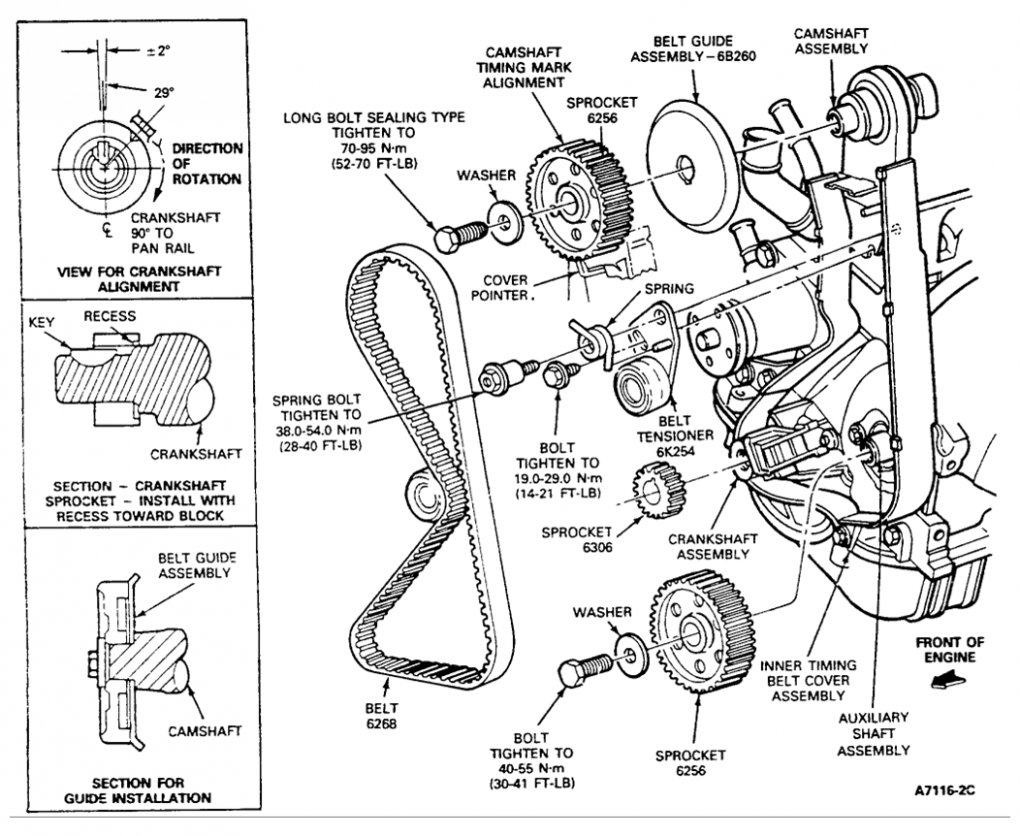
For the seasoned DIY mechanic or the car enthusiast delving deeper into auto repair, understanding the serpentine belt system is crucial. This article focuses specifically on the 2003 Ford Focus belt routing diagram, providing the knowledge you need for everything from basic maintenance to more complex engine work. Think of this as your comprehensive guide to deciphering the intricacies of your Focus's belt system.
Purpose of the Serpentine Belt Routing Diagram
The serpentine belt routing diagram is more than just a pretty picture; it's an indispensable tool for several key tasks:
- Replacing a Worn or Damaged Belt: The most common use. Without the diagram, you're playing a guessing game, which can lead to incorrect installation and serious engine damage.
- Troubleshooting Accessory Issues: If your power steering, air conditioning, or alternator isn't functioning correctly, the belt's condition and routing are prime suspects.
- Understanding Engine Layout: Familiarizing yourself with the belt routing helps you visualize the layout of the engine's front-end components and their relationships.
- Preventive Maintenance: Regularly inspecting the belt and its routing helps catch potential problems before they lead to costly repairs.
In short, the diagram ensures you install the belt correctly, diagnose problems efficiently, and maintain your 2003 Ford Focus's engine effectively.
Key Specs and Main Parts of the 2003 Ford Focus Serpentine Belt System
Let's break down the components you'll typically find in a 2003 Ford Focus serpentine belt system. Remember, the specific layout may vary slightly depending on the engine (e.g., Zetec vs. Duratec):
- Serpentine Belt: This is the main component – a long, continuous belt that drives multiple engine accessories. It's typically made of reinforced rubber.
- Crankshaft Pulley (or Harmonic Balancer): Located at the bottom of the engine, this pulley is driven directly by the crankshaft and is the driving force behind the entire belt system.
- Alternator Pulley: Drives the alternator, which charges the battery and powers the electrical system.
- Power Steering Pump Pulley: Drives the power steering pump, which provides hydraulic assistance for steering.
- Air Conditioning Compressor Pulley: Drives the A/C compressor, which circulates refrigerant for cooling the cabin.
- Idler Pulley(s): Smooth pulleys that guide the belt and maintain proper tension. They don't drive any accessories.
- Tensioner Pulley: A spring-loaded pulley that automatically maintains the correct tension on the serpentine belt. This is a critical component. A worn tensioner can cause belt slippage, noise, and premature belt failure.
Understanding these components and their locations is essential before even looking at the diagram.
Decoding the Symbols in the Belt Routing Diagram
A belt routing diagram uses a standardized set of symbols to convey information quickly. Here's a breakdown of common symbols you'll encounter:
- Solid Line: Represents the path of the belt, indicating which pulleys the belt wraps around. The direction of the line shows the belt's travel direction.
- Arrows: Indicate the direction of rotation for each pulley. This is vital for ensuring the belt is routed correctly.
- Component Icons: Simplified drawings of each component (alternator, A/C compressor, etc.) are used to identify them visually. These icons are usually labeled with abbreviations (e.g., "ALT" for alternator, "A/C" for air conditioning).
- Tensioner Symbol: The tensioner pulley is often depicted with a spring symbol to indicate its spring-loaded nature. This is important because it shows where the belt tension is applied.
- Diagram Orientation: Most diagrams show the engine as viewed from the front of the vehicle. This helps you orient yourself when working on the car.
Sometimes, diagrams may use color coding to further differentiate components or belt paths. However, the 2003 Ford Focus diagrams are usually black and white, relying on clear lines and labels.
How the Serpentine Belt System Works
The heart of the system is the crankshaft pulley. As the engine runs, the crankshaft rotates this pulley. The serpentine belt wraps around the crankshaft pulley and transfers this rotational force to all the other pulleys connected to engine accessories.
The serpentine belt's design – its grooved surface and specific material composition – allows it to grip the pulleys tightly, preventing slippage. The tensioner pulley applies constant pressure to the belt, ensuring that it maintains sufficient contact with all the pulleys, even as the belt stretches slightly over time.
When the belt is routed incorrectly, or if the tension is too low, the belt can slip, resulting in:
- Reduced accessory performance (e.g., weak power steering).
- Overheating (due to a slipping water pump, although the 2003 Focus water pump is usually driven by the timing belt).
- Battery discharge (due to a slipping alternator).
- Loud squealing noises.
Therefore, proper routing and tension are crucial for the system's reliable operation.
Real-World Use: Basic Troubleshooting Tips
Here are some common issues you might encounter with your 2003 Ford Focus serpentine belt and how the diagram can help:
- Belt Squealing: This is often caused by a loose belt. Use the diagram to confirm the belt is routed correctly around the tensioner. Check the tensioner for proper operation. If the tensioner is weak, it needs to be replaced.
- Accessory Failure: If, for example, your power steering stops working, check the belt for cracks, wear, or slippage around the power steering pump pulley. The diagram will confirm the correct routing to that pulley.
- Belt Damage: If you notice cracks, fraying, or missing chunks of the belt, replace it immediately. The diagram is essential for installing the new belt correctly.
- Misalignment: Sometimes, pulleys can become misaligned, causing the belt to wear unevenly. Use a straightedge to check the alignment of each pulley. The diagram helps you identify all the pulleys that should be in the same plane.
Remember: Before working on the belt system, always disconnect the negative battery cable to prevent electrical shock and accidental starting of the engine.
Safety Considerations
Working on the serpentine belt system involves inherent risks. Here's what you need to know to stay safe:
- Moving Parts: The engine must be OFF and the key removed before working on the belt. Never put your hands or tools near the belt while the engine is running.
- Hot Surfaces: The engine components, especially the exhaust manifold, can be extremely hot. Allow the engine to cool down completely before starting any work.
- Eye Protection: Wear safety glasses to protect your eyes from debris.
- Proper Tools: Use the correct tools for the job. For example, a serpentine belt tool is often necessary to release the tensioner pulley for belt removal and installation.
- The Tensioner: The tensioner is under spring pressure. Use caution when releasing it, as it can snap back forcefully. Always follow the manufacturer's instructions when using a serpentine belt tool.
The serpentine belt system is located near many hot and rotating parts. Always exercise extreme caution when working in this area of the engine.
We have the 2003 Ford Focus serpentine belt routing diagram available for download. With the diagram in hand, and this guide as your companion, you'll be well-equipped to tackle any serpentine belt-related task on your 2003 Ford Focus with confidence and precision.