
2003 Honda Accord V6 Serpentine Belt Diagram
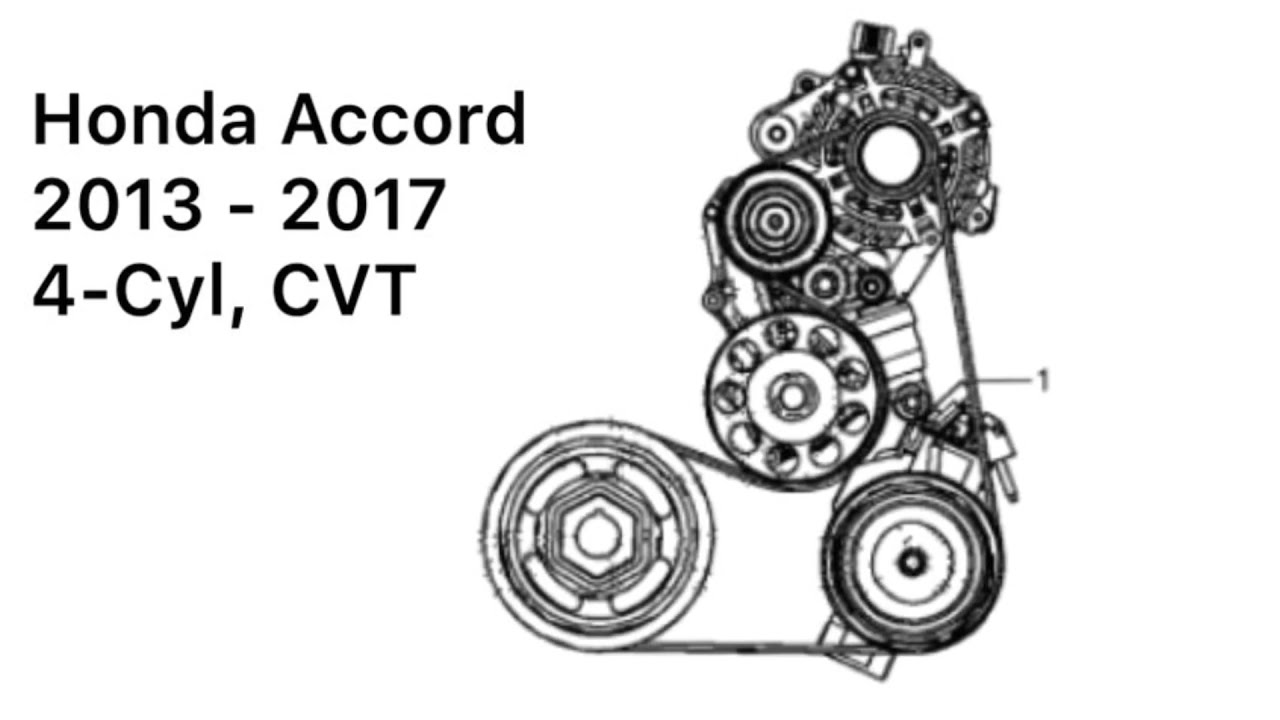
Alright, let's dive into the serpentine belt diagram for the 2003 Honda Accord V6. This is crucial information whether you're tackling routine maintenance, diagnosing a squealing noise, or just expanding your automotive knowledge. Having a solid understanding of this system can save you time, money, and a whole lot of frustration.
Purpose of the Serpentine Belt Diagram
The serpentine belt diagram is essentially a roadmap for the serpentine belt. Think of it as a visual guide that shows you exactly how the belt is routed around all the engine accessories. This is important for several reasons:
- Replacement: When replacing a worn or broken belt, the diagram is essential to ensure correct installation. Installing the belt incorrectly can lead to serious engine damage.
- Troubleshooting: If you're experiencing issues like a squealing belt or non-functioning accessories (power steering, alternator, AC), the diagram helps you trace the belt's path and identify potential problems.
- Understanding the System: Even if you're not actively working on your car, understanding the serpentine belt system provides valuable insight into how your engine's accessories are driven.
- Component Inspection: The diagram helps locate each accessory (like the AC compressor or power steering pump) quickly, allowing for visual inspection for leaks or damage.
Key Specs and Main Parts of the 2003 Honda Accord V6 Serpentine Belt System
The 2003 Honda Accord V6, specifically the models equipped with the J30A4 engine, uses a single serpentine belt to drive multiple accessories. Let's break down the key components:
- Crankshaft Pulley (Damper): This pulley is connected directly to the engine's crankshaft and is the primary driver of the serpentine belt. It’s also a vibration damper, absorbing torsional vibrations from the engine.
- Alternator Pulley: The alternator converts mechanical energy from the engine into electrical energy to charge the battery and power electrical components.
- Power Steering Pump Pulley: This pulley drives the power steering pump, which provides hydraulic assistance to make steering easier.
- Air Conditioning (AC) Compressor Pulley: The AC compressor circulates refrigerant in the air conditioning system.
- Idler Pulley(s): These pulleys are smooth and have no function other than to guide the belt and maintain proper tension. They're crucial for preventing belt slippage.
- Tensioner Pulley: The tensioner maintains the correct tension on the serpentine belt. It's typically spring-loaded and automatically adjusts for belt wear and expansion due to heat. The tensioner is the most important component next to the belt itself. A failed tensioner can cause premature belt failure, noise, and even damage to other accessories.
- Serpentine Belt: The belt itself is made of reinforced rubber and is designed to withstand high temperatures and constant flexing.
The specific belt length for the 2003 Honda Accord V6 (J30A4 engine) is approximately 83.5 inches. Always verify the correct belt part number with your local auto parts store before purchasing.
Symbols and Markings on the Diagram
The serpentine belt diagram uses various symbols and markings to convey important information. While the exact appearance can vary slightly, here are some common conventions:
- Solid Lines: Typically represent the path of the serpentine belt.
- Arrows: Indicate the direction of belt travel around each pulley. Pay close attention to these; they're critical for correct installation.
- Labels: Each pulley is labeled with its corresponding component (e.g., ALT for alternator, P/S for power steering).
- Smooth Pulleys vs. Grooved Pulleys: The diagram may visually differentiate between smooth idler pulleys and grooved pulleys that drive accessories.
- Tensioner Location: The tensioner is usually clearly marked and may include an arrow indicating the direction to rotate it for belt removal and installation. Look for the spring symbol near the tensioner.
How It Works: The Serpentine Belt System in Action
The serpentine belt system is a relatively simple but crucial part of your engine. The crankshaft pulley, driven by the engine's rotation, transfers power to the other accessories via the serpentine belt. As the crankshaft spins, it turns the belt, which in turn rotates the pulleys of the alternator, power steering pump, AC compressor, and any idler pulleys. The tensioner maintains constant pressure on the belt, preventing slippage and ensuring efficient power transfer.
The tensioner uses a spring-loaded mechanism to automatically adjust the belt tension. Over time, the belt stretches and wears down. The tensioner compensates for this by extending its arm, maintaining proper tension. This is vital because a loose belt can slip, causing reduced accessory performance (e.g., weak power steering, poor AC cooling) and potentially overheating the engine.
Real-World Use: Basic Troubleshooting Tips
Here are some common problems you might encounter and how the serpentine belt diagram can help:
- Squealing Belt: A squealing belt is often caused by slippage due to worn belt, a faulty tensioner, or a misaligned pulley. Use the diagram to inspect the belt's condition and check the tensioner's movement. If the tensioner is bouncing excessively or making noise itself, it likely needs to be replaced. Also, examine each pulley for signs of damage or misalignment. A small amount of belt dressing can sometimes temporarily alleviate squealing, but it's generally a sign of an underlying issue.
- Accessory Failure: If an accessory like the alternator or AC compressor stops working, use the diagram to verify that the belt is properly routed around its pulley and that the pulley is spinning freely. A seized pulley can cause the belt to break or slip.
- Belt Breaks: A broken belt is a serious issue. It can strand you on the road and potentially lead to engine overheating. Before replacing the belt, use the diagram to identify the cause of the breakage. Common causes include a worn belt, a faulty tensioner, a seized accessory pulley, or incorrect belt routing.
- Difficulty Installing a New Belt: If you're struggling to install a new belt, double-check the diagram to ensure you're following the correct routing. Make sure the belt is seated properly in all the pulley grooves. Use a wrench or socket to rotate the tensioner pulley and create enough slack to slip the belt into place.
Safety Considerations
Working on the serpentine belt system can be dangerous if you're not careful. Here are some important safety precautions:
- Disconnect the Battery: Always disconnect the negative battery terminal before working on any electrical components, including the alternator.
- Engine Off and Cool: Never work on the serpentine belt system while the engine is running or hot. Allow the engine to cool down completely before starting.
- Moving Parts: Be extremely cautious of moving parts. Keep your hands, clothing, and tools clear of the belt and pulleys when the engine is running.
- Tensioner Spring: The tensioner spring is under significant pressure. Use the correct tools to safely relieve the tension and avoid injury.
- Sharp Edges: Be aware of sharp edges on the pulleys and engine components. Wear gloves to protect your hands.
Important: The most risky part of the serpentine belt system is the tensioner itself. The spring mechanism stores a lot of energy. Using the wrong tool or technique when releasing the tension can lead to serious injury. Always consult the service manual for specific instructions on how to safely relieve the tensioner.
By understanding the serpentine belt system and following the diagram, you can confidently tackle various maintenance and repair tasks on your 2003 Honda Accord V6. Remember to always prioritize safety and consult the service manual for specific instructions and torque specifications.
And remember, we have the high-resolution serpentine belt diagram file ready for download. Just let us know!