
2004 Acura Tsx Serpentine Belt Diagram
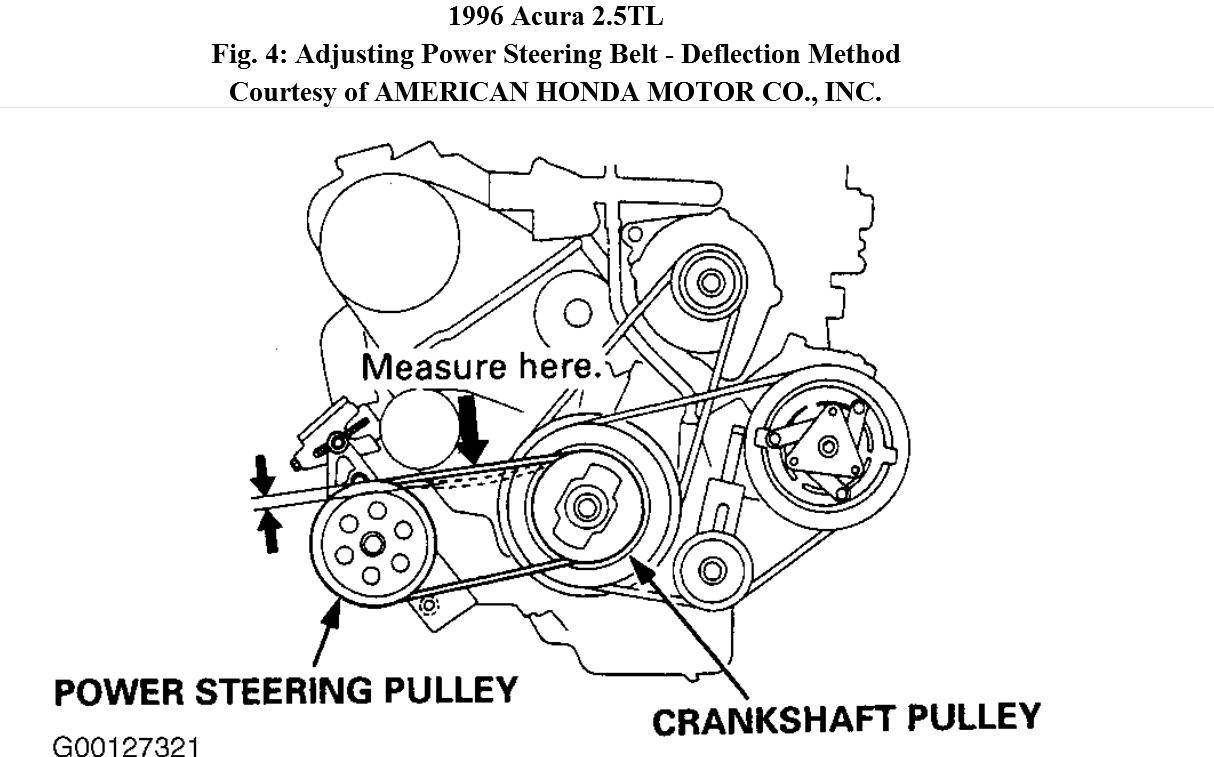
The serpentine belt in your 2004 Acura TSX is a crucial component responsible for powering several vital engine accessories. This article provides a detailed explanation of the serpentine belt diagram for your specific model year, covering its purpose, components, functionality, and how to use it for maintenance and troubleshooting. Understanding this diagram will empower you to perform repairs, diagnose issues, and gain a deeper understanding of your vehicle's engine.
Purpose of the Serpentine Belt Diagram
A serpentine belt diagram serves as a visual roadmap for the belt's routing around various engine components. It's invaluable for several reasons:
- Repair and Replacement: The most obvious use is for replacing a worn or broken serpentine belt. The diagram ensures you route the new belt correctly, preventing damage to the belt itself and the accessories it drives.
- Troubleshooting: A squealing or slipping belt can indicate problems with the belt, pulleys, or accessories. The diagram helps you visually inspect the entire system.
- Accessory Identification: The diagram identifies the specific components driven by the belt, which is helpful when diagnosing problems with the power steering, alternator, or air conditioning.
- Learning Engine Layout: Studying the diagram provides a solid understanding of the engine's accessory layout and how these components interact.
- Verification After Repairs: It's good practice to compare the actual belt routing with the diagram after completing any engine work to ensure everything is connected correctly.
Key Specs and Main Parts (2004 Acura TSX)
The 2004 Acura TSX (K24A2 engine) typically uses a single serpentine belt to drive the following components:
- Crankshaft Pulley: The driving force behind the entire system, connected directly to the engine's crankshaft.
- Alternator: Charges the battery and provides electrical power to the vehicle.
- Power Steering Pump: Provides hydraulic assistance for steering.
- Air Conditioning Compressor: Compresses refrigerant for the air conditioning system.
- Idler Pulley(s): Smooth, bearing-mounted pulleys that guide the belt and maintain proper tension. The 2004 TSX K24A2 has at least one idler pulley.
- Tensioner Pulley: A spring-loaded pulley that automatically adjusts belt tension. This is crucial for optimal performance and belt longevity.
Belt Length: The correct belt length for a 2004 Acura TSX is approximately 82.5 inches (2100 mm). Always verify the exact length with your parts supplier or the vehicle's specifications. Using the wrong size belt can lead to slippage, premature wear, and damage to accessories.
Understanding Symbols and Lines in the Diagram
Serpentine belt diagrams use specific symbols and lines to convey information:
- Solid Lines: Represent the path of the belt itself. These lines indicate the side of the belt that makes contact with the pulley (ribbed or smooth).
- Dotted Lines (Sometimes): May indicate the back (smooth side) of the belt. Pay close attention to this; it's critical for routing.
- Pulley Symbols: Typically circles representing the pulleys. Some diagrams might include an icon representing what the pulley is attached to (alternator symbol, steering wheel symbol for power steering, etc.).
- Arrows: Indicate the direction of rotation for each pulley. This helps visualize how the belt transfers power.
- Tensioner Symbol: Usually a circle with an arrow indicating the direction of the spring-loaded tension. This shows which way to move the tensioner to release belt tension.
- Color Coding (Rare): Some advanced diagrams might use color-coding to highlight specific sections or components, but this is not common for basic serpentine belt diagrams.
How the Serpentine Belt System Works
The serpentine belt system is relatively straightforward. The crankshaft pulley, driven by the engine, provides the rotational force. The belt wraps around this pulley and then transfers power to the other pulleys connected to the accessories. The tensioner pulley maintains consistent tension on the belt, preventing slippage and ensuring efficient power transfer. Without proper tension, the alternator might not charge the battery effectively, the power steering might feel stiff, or the air conditioning might not cool properly. The idler pulley simply guides the belt along its intended path, preventing interference with other engine components.
Real-World Use: Troubleshooting Tips
Here are some basic troubleshooting tips using the serpentine belt diagram:
- Squealing Belt: A squealing belt is often caused by slippage. Visually inspect the belt for cracks, glazing (shiny surface), or wear. Ensure the tensioner is functioning correctly and providing adequate tension. Use the diagram to check if the belt is routed correctly and if any pulleys are misaligned.
- Belt Dust/Debris: Excessive belt dust can indicate a misaligned pulley or a failing component (like a seized water pump pulley). The diagram will help you pinpoint the exact location of the problem.
- Accessory Malfunction: If an accessory (e.g., alternator) is not functioning properly, inspect the belt and pulley for that specific component. A worn belt or a damaged pulley can prevent the accessory from operating correctly.
- Visual Inspection: Regularly inspect the belt for any signs of wear, cracks, or damage. Use the diagram to ensure the belt is properly seated on all pulleys. Check the tensioner for smooth operation and proper spring tension.
Example: If your air conditioning is not working, check the belt's routing around the A/C compressor pulley using the diagram. If the belt is loose or slipping on that pulley, it could be the cause of the problem. You can also manually spin the A/C compressor pulley (with the engine off!) to check for smooth operation. Resistance or unusual noises could indicate a failing compressor, which needs professional attention.
Safety Considerations
Working around the serpentine belt system requires caution. Here are some key safety points:
- Engine Off: Always work on the serpentine belt system with the engine completely off and the ignition key removed.
- Hot Engine: Avoid working on the system immediately after the engine has been running, as components can be extremely hot. Allow sufficient time for the engine to cool down.
- Moving Parts: Be extremely careful when the engine is running for diagnostic purposes. Keep hands, tools, and clothing away from the moving belt and pulleys.
- Battery Disconnect (Optional): Disconnecting the negative battery terminal is a good safety practice, especially if you're working near the alternator.
- Tensioner Tool: Use the correct tool for releasing the belt tensioner. Avoid using makeshift tools, as they can slip and cause injury.
The alternator, in particular, carries a risk of electrical shock if you're not careful. If you're unsure about any aspect of the repair, consult a qualified mechanic.
Remember: Always consult your vehicle's repair manual for specific instructions and safety precautions.
We have the 2004 Acura TSX serpentine belt diagram file available for download. Having this diagram readily available can significantly aid in your maintenance and repair endeavors. It provides a clear and concise visual reference for proper belt routing, component identification, and troubleshooting.