
2004 Jeep Grand Cherokee Serpentine Belt Diagram
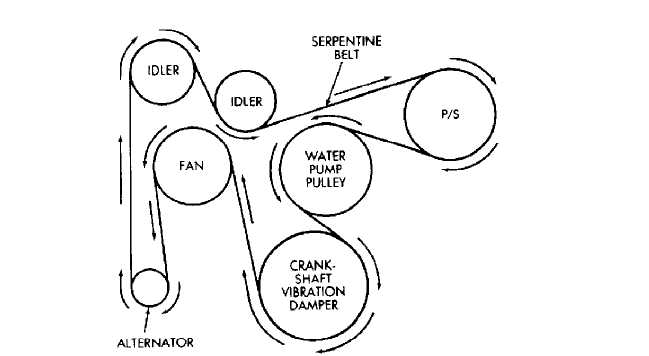
Alright, let's dive into the serpentine belt system for the 2004 Jeep Grand Cherokee. This component is absolutely critical for keeping your Jeep running smoothly, and understanding its layout – which is where the diagram comes in – can save you a ton of money and headaches. Whether you're replacing a worn belt, diagnosing a squealing noise, or just want to get a better grasp of your engine's workings, this is the information you need.
Purpose: Why You Need a Serpentine Belt Diagram
The serpentine belt, sometimes also called an accessory drive belt, powers essential components of your 2004 Grand Cherokee’s engine. The purpose of the serpentine belt diagram is multifaceted:
Repair and Maintenance: The most common reason is for replacing a worn or broken serpentine belt. The diagram shows you the exact routing of the belt around the pulleys, preventing installation errors.
Troubleshooting: If you're experiencing issues like a dead battery (alternator not charging), loss of power steering, or overheating (water pump not functioning), the diagram helps you quickly identify if the serpentine belt is the culprit.
Learning and Understanding: Even if you're not currently having problems, understanding the serpentine belt system improves your overall knowledge of your vehicle’s mechanics.
Without the diagram, re-routing the belt can be a frustrating guessing game, potentially leading to incorrect installation, damage to the belt, and even damage to the components it drives.
Key Specs and Main Parts
The 2004 Jeep Grand Cherokee came with a few engine options, and each engine variant will have a slightly different serpentine belt configuration. Therefore, it's crucial to use the diagram that matches your specific engine. For the 2004 model year, you likely have one of the following:
- 4.0L Inline-Six: A robust and reliable engine, but its serpentine belt routing differs from the V8s.
- 4.7L V8: More powerful than the inline-six, with a different accessory layout.
The key components driven by the serpentine belt are:
- Alternator: Charges the battery and provides electrical power to the vehicle.
- Power Steering Pump: Provides hydraulic pressure to assist steering.
- Air Conditioning Compressor: Circulates refrigerant to cool the cabin.
- Water Pump: Circulates coolant through the engine to prevent overheating.
- Idler Pulley(s): Smooth, unpowered pulleys that guide the belt and maintain tension.
- Tensioner Pulley: A spring-loaded pulley that automatically adjusts belt tension, crucial for proper operation and belt life. The tensioner assembly maintains constant pressure on the belt.
- Crankshaft Pulley (Harmonic Balancer): The main pulley driven directly by the engine's crankshaft, which then powers the serpentine belt.
Symbols: Understanding the Diagram
The serpentine belt diagram utilizes specific symbols and conventions to represent the components and belt routing. Here's a breakdown:
- Solid Line: Represents the actual serpentine belt. The thickness of the line doesn't usually signify anything special, but it should be clear and easy to follow.
- Arrows: Indicate the direction of belt rotation around each pulley. This is critical for ensuring the belt is installed correctly.
- Pulleys: Represented as circles. They may be labeled with abbreviations or icons indicating the component they're attached to (e.g., ALT for alternator, P/S for power steering, A/C for air conditioning).
- Idler Pulley Symbol: A smooth circle, often labeled "IDLER".
- Tensioner Pulley Symbol: Usually includes a spring or arrow indicating the direction of the tensioner's movement. This is the pulley you typically manipulate to release tension when removing or installing the belt.
- Component Abbreviations: These are engine specific. Make sure the abbreviations align with the components on *your* engine.
Color-coding isn't typically used on standard serpentine belt diagrams. However, some enhanced diagrams might use different colors to highlight specific sections or components, but that is uncommon.
How It Works: The Serpentine Belt System in Action
The serpentine belt system is elegantly simple in principle. The crankshaft pulley, driven by the engine, transfers rotational force to the serpentine belt. The belt then wraps around and drives all the other accessory pulleys (alternator, power steering pump, etc.).
The tensioner pulley is vital. It applies constant pressure to the belt, preventing slippage and ensuring optimal performance of all the driven components. As the belt stretches or wears over time, the tensioner automatically adjusts to maintain the correct tension. Without the tensioner, the belt would quickly become loose, leading to reduced power output from the accessories and, eventually, complete belt failure.
The belt's routing is carefully designed to maximize contact with each pulley, providing sufficient grip for efficient power transfer. The diagram's layout is not arbitrary; the path of the belt, including the number and location of idler pulleys, are specifically chosen to optimize performance and belt lifespan.
Real-World Use: Troubleshooting with the Diagram
Here are some common scenarios where the serpentine belt diagram becomes invaluable:
- Squealing Noise: A common symptom of a worn, glazed, or loose serpentine belt. Use the diagram to inspect the belt for cracks, fraying, or missing chunks. Also, check the tensioner for proper operation. If it's wobbly or doesn't seem to be applying enough tension, it may need replacement.
- Battery Not Charging: If the alternator isn't being driven effectively due to a slipping or broken belt, the battery won't charge properly. The diagram helps you confirm that the belt is intact and properly routed around the alternator pulley.
- Loss of Power Steering: A broken or slipping belt can prevent the power steering pump from functioning, resulting in difficult steering. Again, consult the diagram to verify belt integrity and routing.
- Overheating: A malfunctioning water pump, often caused by a serpentine belt issue, can lead to overheating. The diagram will confirm that the water pump is driven by the serpentine belt.
Basic Troubleshooting Steps:
- Visual Inspection: Compare the actual belt routing to the diagram. Look for misrouting, cracks, fraying, or glazing.
- Tension Check: Ensure the tensioner is applying adequate pressure. You should be able to deflect the belt slightly between pulleys, but excessive slack indicates a problem.
- Pulley Check: With the engine off, try rotating each pulley by hand. They should spin freely and smoothly. Roughness or binding indicates a potential bearing issue.
Safety Considerations
Working on the serpentine belt system involves some inherent risks. Take the following precautions:
- Disconnect the Battery: Always disconnect the negative battery cable before working on any electrical components.
- Hot Engine: Never work on the serpentine belt system while the engine is hot. Allow it to cool completely to avoid burns.
- Moving Parts: Keep your hands and clothing clear of the serpentine belt and pulleys while the engine is running. Even a seemingly slow-moving belt can cause serious injury.
- Tensioner Spring: The tensioner is spring-loaded and can snap back forcefully when released. Use the appropriate tools and techniques to control the tensioner safely. Always wear eye protection.
- Fan Blades: Be extremely careful around the radiator fan, especially if it's electrically driven. Disconnect the fan motor if possible to prevent accidental activation.
The crankshaft pulley is particularly dangerous, as it's directly connected to the engine and rotates at high speeds. Never attempt to work near the crankshaft pulley while the engine is running.
By now you should have a pretty good handle on the serpentine belt system on your 2004 Jeep Grand Cherokee. Refer back to this guide and the diagram as needed when you need to do any work. With a little patience and the right information, you can tackle this job yourself and save some serious cash!
We have the serpentine belt diagram file ready for download. Contact us to get your copy!