
2004 Toyota 4runner V6 Serpentine Belt Diagram
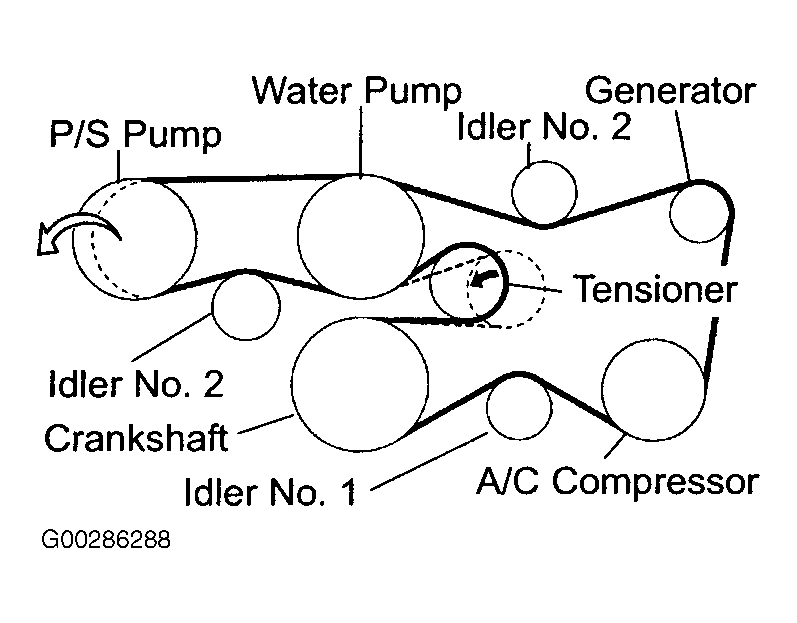
The serpentine belt diagram for your 2004 Toyota 4Runner V6 is an invaluable resource. Whether you're facing a squealing belt, planning a replacement, or simply want to understand your engine's accessory drive system, having this diagram readily available can save you time, money, and a potential headache. We’ve included the full diagram with this article, which you can download.
Purpose of the Serpentine Belt Diagram
The serpentine belt drives several crucial engine components, including the alternator, power steering pump, air conditioning compressor, and water pump. The diagram serves as a visual guide to the belt's routing path around these pulleys. Without it, correctly reinstalling a new belt, especially after a complete break, becomes a frustrating guessing game. Here’s why it's crucial:
- Proper Installation: Ensures correct belt tension and prevents slippage, maximizing the performance of all driven accessories.
- Troubleshooting: Helps identify potential issues, like misaligned pulleys or a failing tensioner.
- Repair & Maintenance: Essential for replacing the belt, idler pulley(s), and tensioner without making costly mistakes.
- Learning: Provides a clear visual of how the engine's accessory drive system functions.
Key Specs and Main Parts
The 2004 Toyota 4Runner V6 (1GR-FE engine) uses a single serpentine belt to drive all the accessories. Here are some key specifications and part names to familiarize yourself with:
- Belt Length: While the exact length can vary slightly based on the manufacturer, it's typically around 90-91 inches. Always verify the correct length in your vehicle's repair manual or parts catalog.
- Belt Type: Multi-ribbed, typically a "K" section belt (e.g., 7PK2310). The "7" indicates the number of ribs, and "2310" is the length in millimeters.
- Crankshaft Pulley (Crank Pulley): Located at the bottom of the engine, driven directly by the engine.
- Alternator Pulley: Powers the electrical system and charges the battery.
- Power Steering Pump Pulley: Provides hydraulic pressure for power-assisted steering.
- Air Conditioning Compressor Pulley: Compresses refrigerant for the air conditioning system.
- Water Pump Pulley: Circulates coolant to regulate engine temperature.
- Tensioner Pulley: Spring-loaded mechanism that maintains proper belt tension. The tensioner includes both a pulley and the tensioner assembly.
- Idler Pulley (if equipped): Smooth pulley used to guide the belt around obstacles or provide additional wrap angle on other pulleys.
Symbols in the Diagram
Understanding the symbols used in the diagram is vital for accurate interpretation. Here’s a breakdown:
- Solid Lines: Indicate the path of the serpentine belt.
- Arrows: Show the direction of belt rotation. Pay close attention to these to ensure correct routing.
- Pulleys: Represented as circles, sometimes with a shaded area indicating the grooved section.
- Component Labels: Abbreviations or full names identify each pulley (e.g., "ALT" for alternator, "P/S" for power steering).
- Tensioner Symbol: Often a specialized symbol indicating a spring or tensioning mechanism. The diagram will make clear the location of the tensioner pulley.
How It Works
The serpentine belt is driven by the crankshaft pulley, which is directly connected to the engine's crankshaft. As the crankshaft rotates, it spins the belt, which in turn drives all the accessory pulleys. The tensioner pulley maintains the correct belt tension, preventing slippage and ensuring that all accessories operate efficiently. The tensioner is crucial; it’s spring loaded and designed to take up slack in the belt as it stretches over time.
The path of the belt is carefully engineered to provide the optimal amount of wrap (contact) on each pulley. This wrap angle is critical for transmitting torque effectively. For example, the alternator often needs a significant wrap angle to ensure adequate charging performance, especially at idle. The idler pulley, if present, helps to achieve this optimal wrap.
Real-World Use & Basic Troubleshooting
Here's how you can use the diagram for troubleshooting:
- Squealing Belt: Often caused by a worn or glazed belt, a loose tensioner, or a misaligned pulley. Visually inspect the belt for cracks, fraying, or missing ribs. Check the tensioner to ensure it's moving freely and maintaining adequate tension. Use a straight edge to check pulley alignment.
- Accessory Malfunction: If an accessory stops working (e.g., no power steering, no air conditioning), check the belt to see if it's broken or slipped off a pulley. Even if the belt is intact, a significantly worn belt can slip under load, preventing the accessory from functioning properly.
- Belt Replacement: Before removing the old belt, carefully study the diagram and take photos or draw your own sketch of the belt routing. This will greatly simplify the installation of the new belt. Use the tensioner to release the belt tension, allowing you to slip the old belt off the pulleys. Route the new belt according to the diagram, ensuring it sits properly in all the pulley grooves. Release the tensioner to apply tension to the new belt.
- Tensioner Inspection: Check the tensioner for smooth movement and proper spring tension. If the tensioner is weak or sticking, it should be replaced. A worn tensioner can cause belt slippage, noise, and premature belt wear.
Safety Considerations
Working on the serpentine belt system involves potential hazards. Here are some important safety precautions:
- Disconnect the Battery: Before working on any part of the electrical system, including the alternator, disconnect the negative battery cable to prevent accidental short circuits.
- Hot Engine: Allow the engine to cool completely before working near the belt and pulleys. The engine and its components can get very hot, causing burns.
- Moving Parts: Never start the engine with the belt removed or partially installed. Keep hands, hair, and clothing away from moving parts.
- Fan Blades: Be extremely cautious when working near the radiator fan, especially if it's engine-driven. Accidental contact with the fan blades can cause serious injury.
- Belt Tension: The serpentine belt is under significant tension. Use the proper tools to release the tensioner before removing the belt. Never attempt to cut the belt while it's under tension.
Remember, even with a diagram, if you are not comfortable performing this work yourself, consult a qualified mechanic. Improper installation can damage your engine or accessories.
As mentioned earlier, we have a downloadable file of the 2004 Toyota 4Runner V6 Serpentine Belt Diagram. This will be a high-resolution image for easy viewing and printing, making your repair or maintenance tasks much easier.