
2004 Toyota Camry Exhaust System Diagram
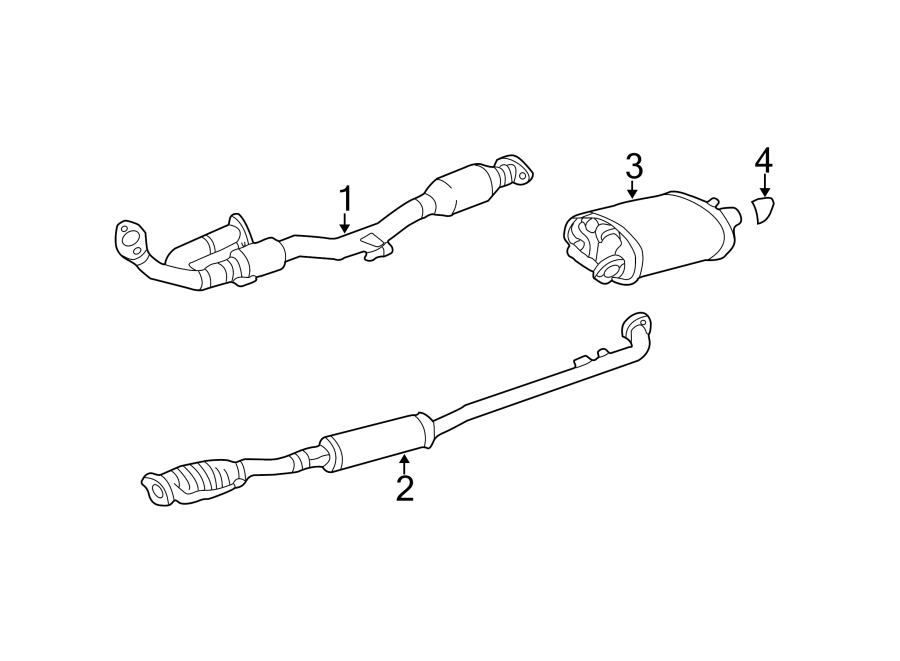
For the experienced DIYer, understanding your vehicle's exhaust system is crucial. Whether you're diagnosing a frustrating rattle, planning an upgrade, or simply aiming to maintain your 2004 Toyota Camry, having a clear mental picture of its components and layout is invaluable. That's where the exhaust system diagram comes in. In this article, we'll delve into the 2004 Camry's exhaust system diagram, breaking down its purpose, key components, symbols, functionality, troubleshooting tips, and safety precautions. We even have the diagram file available for download to make your work easier.
Purpose of the Exhaust System Diagram
The exhaust system diagram serves several key purposes:
- Diagnosis: When your Camry is making unusual noises, failing emissions tests, or experiencing a drop in performance, the diagram helps you pinpoint potential problem areas like leaks, damaged components, or a clogged catalytic converter.
- Repair and Replacement: If you're replacing a muffler, catalytic converter, or any other exhaust component, the diagram ensures you order the correct parts and understand their proper placement. It also assists in identifying the correct gaskets and mounting hardware.
- Modification and Upgrades: Planning to install a performance exhaust system? The diagram gives you a baseline understanding of the factory setup, allowing you to plan your modifications intelligently.
- Learning and Education: Simply put, studying the diagram deepens your understanding of how your Camry's engine breathes, improving your overall automotive knowledge.
Key Specs and Main Parts
The 2004 Toyota Camry, depending on the engine (2.4L 4-cylinder or 3.0L V6), has a slightly different exhaust system configuration. The basic principles remain the same, but the number of components and pipe routing can vary. Generally, the system consists of these main parts:
- Exhaust Manifold: Bolted directly to the engine cylinder head, the manifold collects exhaust gases from each cylinder. The V6 engine has two manifolds, one for each bank of cylinders, while the 4-cylinder has a single manifold.
- Catalytic Converter: This crucial component reduces harmful emissions by using chemical reactions to convert pollutants (hydrocarbons, carbon monoxide, and nitrogen oxides) into less harmful substances. The 2004 Camry may have one or two catalytic converters, depending on the engine and emissions package.
- Resonator: Often located between the catalytic converter and the muffler, the resonator helps to reduce certain exhaust frequencies and noise.
- Muffler: The final component in the exhaust system, the muffler significantly reduces exhaust noise.
- Exhaust Pipes: These connect all the components together, carrying exhaust gases from the engine to the tailpipe.
- Oxygen Sensors (O2 Sensors): These sensors monitor the oxygen content of the exhaust gas, providing feedback to the engine control unit (ECU) to optimize fuel-air mixture. Camrys typically have upstream (before the catalytic converter) and downstream (after the catalytic converter) O2 sensors.
- Hangers and Mounts: Rubber hangers and metal mounts secure the exhaust system to the vehicle's undercarriage, preventing it from vibrating and causing damage.
- Gaskets and Flanges: Gaskets seal the joints between exhaust components, preventing leaks. Flanges are the metal plates that connect the components via bolts.
Symbols and Diagram Interpretation
Understanding the symbols used in the exhaust system diagram is essential for accurate interpretation. Here's a breakdown of common symbols:
- Solid Lines: Represent exhaust pipes. The thickness of the line may indicate the pipe diameter.
- Dotted Lines: Can indicate control lines for components like the air injection system (if applicable) or vacuum lines.
- Boxes or Rectangles: Typically represent components like the catalytic converter, resonator, or muffler. The diagram may include internal details of these components.
- Circles: Often indicate sensors, such as oxygen sensors. They may include labels like "O2S" or "HO2S."
- Arrows: Indicate the direction of exhaust gas flow.
- Mounting Points: Shown as small circles or squares with a cross inside, indicating where the exhaust system is attached to the vehicle's body.
- Numbers and Labels: Each component will typically have a number or label associated with it for identification and referencing parts diagrams.
Remember that the specific symbols and conventions may vary slightly depending on the diagram's source. Always refer to the diagram's legend or key for clarification.
How It Works
The exhaust system's primary function is to safely and efficiently remove exhaust gases from the engine. Here's a simplified overview:
- Exhaust Gases Exit the Engine: As the engine's exhaust valves open, hot exhaust gases are forced into the exhaust manifold.
- Gases Flow Through the System: The exhaust gases travel through the exhaust pipes, passing through the catalytic converter, resonator (if equipped), and muffler.
- Catalytic Conversion: The catalytic converter uses a catalyst (platinum, palladium, and rhodium) to convert harmful pollutants into less harmful substances. This process requires a specific temperature range to function effectively.
- Noise Reduction: The resonator and muffler work together to reduce exhaust noise. The resonator cancels out certain frequencies, while the muffler uses baffles and chambers to absorb and dissipate sound waves.
- Exhaust Exits the Vehicle: Finally, the cleaned and silenced exhaust gases are expelled through the tailpipe.
Oxygen sensors play a critical role in this process by providing feedback to the ECU about the effectiveness of combustion and the catalytic converter's performance. This information is used to fine-tune the fuel-air mixture, ensuring optimal engine efficiency and emissions control.
Real-World Use: Basic Troubleshooting Tips
Here are a few common issues you might encounter and how the exhaust system diagram can help with diagnosis:
- Exhaust Leak: Listen for hissing or ticking noises, especially when the engine is cold. The diagram will help you identify potential leak points at flanges, welds, or gaskets. Visually inspect these areas for soot or rust.
- Rattling Noise: Check for loose hangers, damaged heat shields, or internal damage within the muffler or catalytic converter. The diagram will show you the location of all hangers and heat shields.
- Reduced Engine Performance: A clogged catalytic converter can restrict exhaust flow and reduce engine power. The diagram confirms the catalytic converter location for inspection. Check engine codes related to catalytic converter efficiency (e.g., P0420).
- Failed Emissions Test: A malfunctioning catalytic converter or oxygen sensor can cause high emissions. The diagram helps you locate and test these components.
Example: You hear a rattling noise near the rear of the vehicle. Consult the diagram to locate the muffler and its hangers. Visually inspect the hangers for damage or corrosion. If the hangers are intact, the problem might be internal damage within the muffler itself.
Safety Precautions
Working on the exhaust system can be dangerous due to the following:
- Hot Exhaust Components: Never work on the exhaust system when the engine is hot. Allow sufficient time for the system to cool down completely to avoid burns.
- Harmful Gases: Exhaust gases contain carbon monoxide, which is odorless and deadly. Always work in a well-ventilated area.
- Asbestos (Older Vehicles): While less common in 2004 vehicles, some older exhaust systems may contain asbestos. If you suspect asbestos, take appropriate precautions, including wearing a respirator and properly disposing of the materials.
- Rust and Corrosion: Exhaust components are often heavily corroded, making bolts difficult to remove. Use penetrating oil and appropriate tools to avoid damaging the fasteners.
- Eye Protection: Always wear safety glasses to protect your eyes from rust, debris, and chemicals.
It is advisable to consult with a qualified mechanic if you are not comfortable performing exhaust system repairs yourself.
By understanding the 2004 Toyota Camry exhaust system diagram, you'll be better equipped to diagnose problems, perform repairs, and even plan modifications. Take your time, work safely, and don't hesitate to consult the diagram whenever you're unsure.
We have the detailed 2004 Toyota Camry exhaust system diagram file available for you. Please feel free to download it and use it as a reference for your projects.