
2005 Chevy Trailblazer Front Suspension Diagram
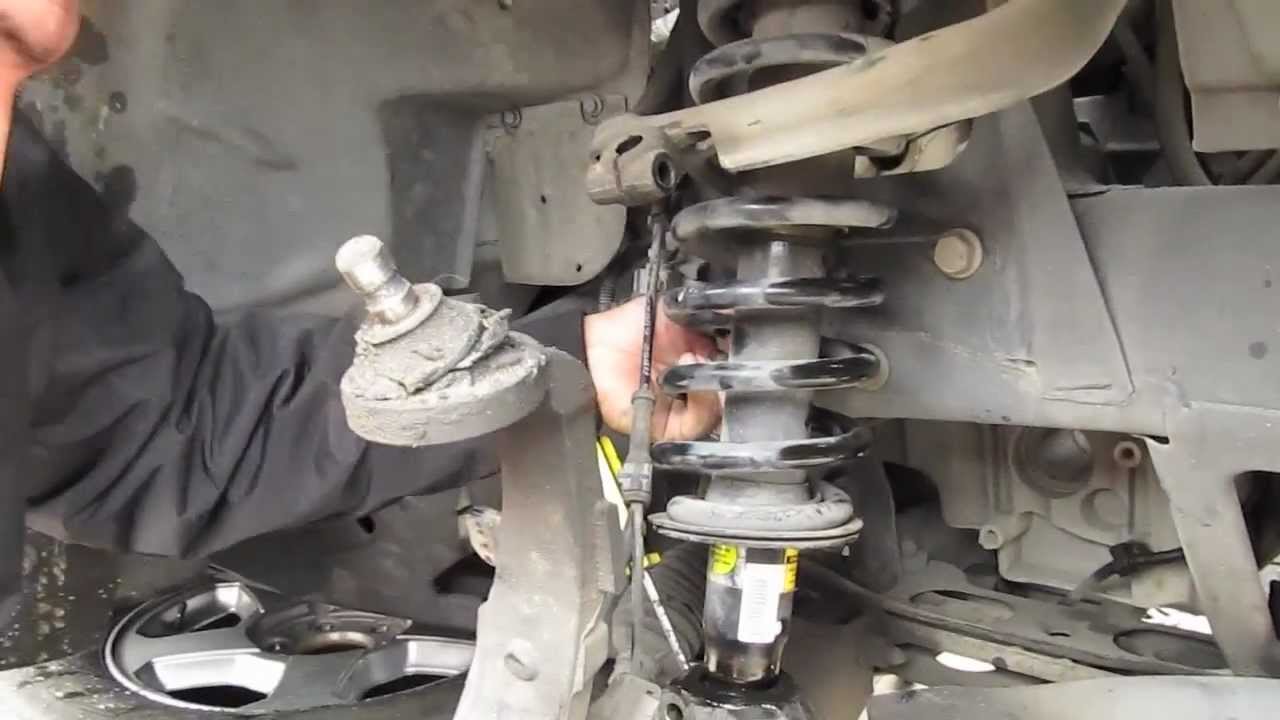
Alright folks, let's dive into the front suspension of a 2005 Chevy Trailblazer. Understanding this system is crucial, whether you're tackling a repair yourself, planning some upgrades, or simply want to know what's happening beneath the sheet metal. This article will walk you through a detailed front suspension diagram, equipping you with the knowledge to confidently work on your Trailblazer.
Purpose of a Front Suspension Diagram
Why bother with a diagram? Well, it's your roadmap to understanding the intricate workings of your Trailblazer's front suspension. This diagram serves several key purposes:
- Troubleshooting: When something's amiss – a clunking noise, uneven tire wear, or poor handling – the diagram helps you pinpoint the potential culprit.
- Repairs: Whether you're replacing a worn ball joint or a damaged control arm, the diagram ensures you understand the assembly order and the location of all components.
- Modifications: Planning to lift your Trailblazer or upgrade the shocks? The diagram provides a visual reference for understanding how different components interact and how modifications might affect the overall system.
- General Knowledge: Even if you're not planning any immediate work, understanding the diagram increases your overall automotive knowledge and allows you to communicate more effectively with your mechanic.
Key Specs and Main Parts (2005 Chevy Trailblazer)
The 2005 Trailblazer utilizes an independent front suspension, specifically a short-and-long arm (SLA) suspension, also often referred to as an A-arm suspension. This design provides a good balance of handling and ride comfort. Here are the main components:
- Upper Control Arm (A-Arm): Connects the upper part of the steering knuckle to the frame. It controls the camber angle of the wheel as the suspension moves.
- Lower Control Arm (A-Arm): Similar to the upper control arm but connects the lower part of the steering knuckle to the frame. It bears more of the suspension load.
- Steering Knuckle (Spindle): This is the pivoting part that holds the wheel hub, wheel bearing, and brake rotor. It's connected to the control arms via ball joints.
- Ball Joints: These are spherical bearings that allow the steering knuckle to pivot and rotate, enabling steering and suspension movement. There are typically upper and lower ball joints.
- Coil Spring: Provides the primary suspension support and absorbs bumps. It's located between the lower control arm and a mount on the frame.
- Shock Absorber (Damper): Controls the rate of spring compression and rebound, preventing excessive bouncing and improving ride quality. Often mounted inside the coil spring.
- Stabilizer Bar (Sway Bar): A torsion bar that connects the left and right sides of the suspension. It reduces body roll during cornering. It is connected to the control arms or the frame via end links and bushings.
- Tie Rods (Inner and Outer): These connect the steering rack to the steering knuckle, transmitting steering input to the wheels.
- Wheel Hub & Bearing Assembly: This assembly allows the wheel to rotate smoothly and is bolted to the steering knuckle.
Understanding Diagram Symbols
A good suspension diagram will use various symbols to represent components and their connections. Here's a breakdown of common symbols:
- Solid Lines: Typically represent physical connections between parts. A thicker line might indicate a stronger or more significant connection.
- Dashed Lines: Often indicate hidden components or pathways, such as fluid lines for power steering.
- Arrows: Show the direction of force or movement. For example, an arrow might indicate the direction of suspension travel or the force applied by a spring.
- Circles and Squares: Can represent mounting points, fasteners, or specific components. Refer to the diagram's legend for precise meanings.
- Color Coding: Some diagrams use color to differentiate between different systems or components. For example, hydraulic lines might be colored blue or green.
- Abbreviations: Look for a legend explaining abbreviations like "UCA" (Upper Control Arm), "LCA" (Lower Control Arm), "SB" (Stabilizer Bar), etc.
How It Works: The Suspension Dance
The front suspension's job is to isolate the chassis from road irregularities, providing a comfortable ride and maintaining tire contact for optimal handling. Here's how it works:
- Impact Absorption: When the wheel encounters a bump, the coil spring compresses, absorbing the initial impact.
- Dampening: The shock absorber resists the spring's compression and rebound, preventing it from oscillating uncontrollably. This keeps the ride smooth and controlled.
- Steering: When you turn the steering wheel, the steering rack moves, pushing or pulling on the tie rods. The tie rods then turn the steering knuckles, causing the wheels to pivot.
- Stabilization: The stabilizer bar resists body roll during cornering. When one wheel moves upward (due to body roll), the stabilizer bar twists, transferring some of that force to the opposite wheel and helping to keep the vehicle level.
- Maintaining Geometry: The control arms, along with the ball joints, allow the wheel to move up and down while maintaining the correct camber and caster angles. These angles are crucial for proper tire wear and handling. Camber refers to the inward or outward tilt of the wheel, while caster refers to the forward or backward tilt of the steering axis.
Real-World Use: Basic Troubleshooting
Here are some common suspension problems and how the diagram can help you diagnose them:
- Clunking Noise: Could indicate worn ball joints, tie rod ends, sway bar links, or loose control arm bushings. Use the diagram to locate these components and visually inspect them for wear or damage.
- Squeaking Noise: Often caused by dry or worn control arm bushings or ball joints. The diagram helps you identify these lubrication points.
- Poor Handling: Could be due to worn shocks, damaged springs, or loose steering components. The diagram helps you check the condition of these parts.
- Uneven Tire Wear: May indicate misaligned suspension or worn ball joints/tie rod ends. The diagram helps you understand how these components affect wheel alignment.
Example: Let's say you hear a clunking noise coming from the front right suspension when you go over bumps. Using the diagram, you can locate the ball joints on that side. You can then physically inspect them for excessive play by attempting to move the steering knuckle while the wheel is off the ground. Excessive movement indicates a worn ball joint that needs replacement.
Safety First! Suspension Systems Can Be Risky
Working on suspension systems involves significant risks. Springs are under tremendous tension and can cause serious injury if released improperly. Here are some essential safety precautions:
- Always use appropriate spring compressors when removing or installing coil springs. Never attempt to compress a spring without the proper tools.
- Loosen lug nuts before lifting the vehicle.
- Use jack stands to support the vehicle. Never work under a vehicle supported only by a jack.
- Wear safety glasses to protect your eyes from debris.
- Consult a repair manual for specific instructions and torque specifications.
- If you're unsure about any procedure, seek professional help. It's always better to be safe than sorry.
- Be aware of the potential energy stored in suspension components. Releasing a control arm that is under tension can cause it to swing violently.
Important Note: Some repairs, such as replacing ball joints or tie rod ends, require specialized tools and knowledge. If you're not comfortable with these procedures, it's best to leave them to a qualified mechanic. Also, after many suspension repairs, a wheel alignment is necessary to ensure proper handling and tire wear. Don't skip this crucial step!
By understanding the 2005 Chevy Trailblazer front suspension diagram and following safe practices, you can confidently tackle various repairs and maintenance tasks. This knowledge will empower you to keep your Trailblazer running smoothly and safely for years to come.
We have a high-resolution version of the 2005 Chevy Trailblazer Front Suspension Diagram available for download. It provides a much clearer and more detailed view of all the components mentioned above. Feel free to reach out, and we'll provide you with the download link.