
2005 Dodge Ram 1500 Brake Line Diagram
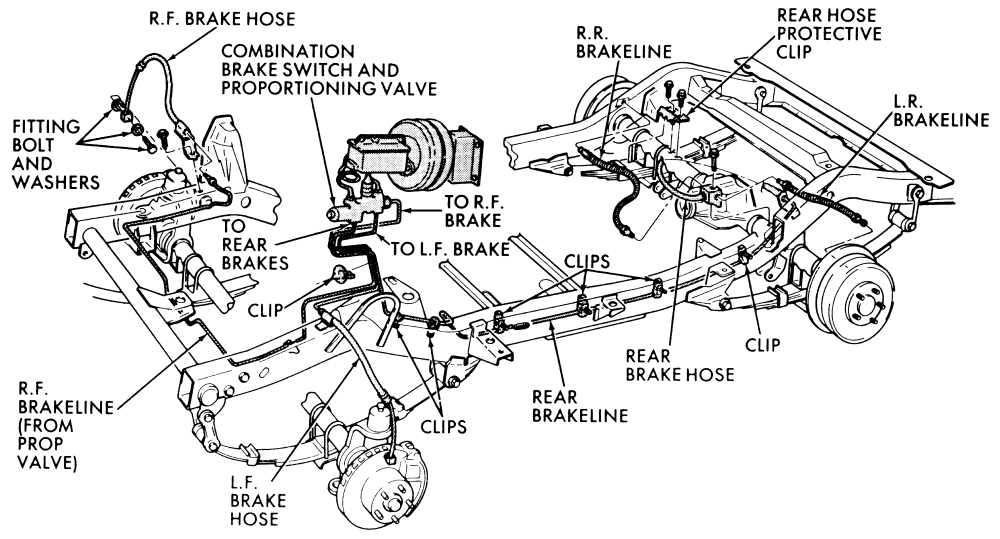
Alright, let's dive into the brake line diagram for your 2005 Dodge Ram 1500. Whether you're tackling a leaky brake line, upgrading to stainless steel lines, or just trying to understand how your braking system works, knowing your way around this diagram is essential. This isn’t just a pretty picture; it's your roadmap to safe and effective braking.
Purpose: Why You Need This Diagram
Simply put, the brake line diagram is crucial for any repair or modification work involving your Ram's braking system. It helps you:
* Identify Components: Locate specific brake lines, valves, sensors, and other parts. * Trace Leaks: Pinpoint the source of brake fluid leaks by following the line routes. * Replace Lines Correctly: Ensure you're installing new brake lines in the proper configuration. Incorrect routing can lead to malfunctions and safety hazards. * Understand the System: Gain a deeper understanding of how your truck's braking system functions. * Troubleshooting: Use the diagram to systematically diagnose braking issues. * ABS System Diagnosis: It helps in identifying problems in the ABS (Anti-lock Braking System).Key Specs and Main Parts of the 2005 Dodge Ram 1500 Brake System
The 2005 Ram 1500 braking system is a hydraulically actuated system, meaning it uses fluid pressure to apply the brakes. It consists of several interconnected components:
* Master Cylinder: This is the heart of the system. Located under the hood, it converts the mechanical force from your brake pedal into hydraulic pressure. It typically has two separate reservoirs for the front and rear brake circuits. * Brake Booster: Usually vacuum-assisted, this amplifies the force you apply to the brake pedal, making it easier to stop the truck. * Brake Lines: These are the metal tubes and flexible hoses that carry brake fluid from the master cylinder to the wheel cylinders or calipers. * Proportioning Valve: This valve regulates the pressure sent to the rear brakes, preventing them from locking up before the front brakes during hard stops. * Anti-lock Brake System (ABS) Module: This computer-controlled system prevents wheel lockup during braking, allowing you to maintain steering control. It includes wheel speed sensors, a hydraulic control unit (HCU), and an electronic control unit (ECU). * Wheel Cylinders (Rear Drum Brakes): In drum brake systems, wheel cylinders use hydraulic pressure to push the brake shoes against the brake drums. * Calipers (Front Disc Brakes): In disc brake systems, calipers use hydraulic pressure to squeeze the brake pads against the rotors. * Brake Rotors/Drums: These are the rotating surfaces that the brake pads or shoes press against to slow or stop the vehicle. * Brake Pads/Shoes: These are the friction materials that press against the rotors or drums to create friction and slow the vehicle. * Wheel Speed Sensors: These sensors, typically located at each wheel hub, send signals to the ABS module, indicating the speed of each wheel.The specific configuration can vary slightly depending on your Ram's options (e.g., 2WD vs. 4WD, standard vs. heavy-duty brakes), but these are the core components.
Understanding the Symbols in the Diagram
The diagram uses standard symbols to represent the different components and connections. Here's a breakdown of common symbols:
* Solid Lines: Represent metal brake lines. * Dashed Lines: Represent flexible brake hoses. These are typically used where movement is necessary, such as at the wheels. * Circles: Can represent various components, depending on what's inside (e.g., a filled circle might indicate a connection point). * Rectangles: Often represent valves (proportioning valve, metering valve). * Squares: Can represent electronic components like the ABS module. * Triangles: May indicate fluid reservoirs or directional flow. * Arrows: Indicate the direction of brake fluid flow.Color coding (if present) usually indicates separate circuits. For instance, one color might represent the front brakes and another the rear. Always refer to the diagram's legend for the specific meaning of each symbol and color.
How the 2005 Dodge Ram 1500 Brake System Works
Here's a simplified explanation of how the system functions:
- When you press the brake pedal, you push the master cylinder's piston.
- This piston pressurizes the brake fluid in the brake lines.
- The brake fluid travels through the brake lines to the calipers (front) and wheel cylinders (rear, if equipped).
- At the calipers, the hydraulic pressure forces the brake pads to clamp against the rotors, slowing the wheels.
- At the wheel cylinders (drum brakes), the hydraulic pressure forces the brake shoes to press against the drums, slowing the wheels.
- The proportioning valve regulates the pressure to the rear brakes to prevent premature lockup.
- If the ABS system detects wheel lockup, it modulates the brake pressure at each wheel independently to maintain traction.
The master cylinder has two separate circuits, so if one circuit fails, you'll still have some braking power, although reduced. The ABS system relies on data from wheel speed sensors. If a sensor fails, the ABS system will likely be disabled, and a warning light will illuminate on the dashboard.
Real-World Use: Troubleshooting with the Diagram
Let's say you're experiencing a soft brake pedal. Here’s how you can use the diagram to troubleshoot:
- Check the Master Cylinder: Inspect the master cylinder for leaks. If it's leaking, the diagram will help you locate the lines coming from it.
- Inspect Brake Lines: Follow the brake lines along their entire length, looking for leaks, kinks, or corrosion. The diagram shows you the path they should take. Pay close attention to flexible hoses, as these are more prone to damage.
- Check Calipers/Wheel Cylinders: Look for leaks around the calipers and wheel cylinders.
- Bleed the Brakes: Air in the brake lines can cause a soft pedal. Bleeding the brakes removes the air. The diagram can remind you of the proper bleeding sequence (typically starting furthest from the master cylinder).
- ABS System: If the ABS light is on, use a scan tool to retrieve the diagnostic trouble codes (DTCs). The codes, combined with the diagram, can help you pinpoint the faulty component (e.g., a wheel speed sensor).
Tip: When replacing brake lines, use proper flaring tools and fittings to ensure a leak-free connection. Always torque the fittings to the manufacturer's specifications.
Safety Considerations: High-Pressure Components
Working on the brake system involves dealing with high-pressure brake fluid. Here are crucial safety precautions:
* Brake Fluid is Corrosive: Wear eye protection and gloves when working with brake fluid. If it gets on your skin, wash it off immediately with soap and water. * Depressurize the System: Before disconnecting any brake lines, relieve the pressure in the system. You can do this by carefully opening a bleeder screw at a wheel cylinder or caliper. * Avoid Contamination: Keep brake fluid clean. Do not reuse old brake fluid. Contamination can damage the system. * Proper Support: When working under the vehicle, always use jack stands to support it safely. Never rely solely on a jack. * Inspect Brake Lines Thoroughly: Damaged or corroded brake lines can fail suddenly, leading to a loss of braking power. Replace any questionable lines. * Proper Bleeding is Critical: After any brake work, bleed the brakes thoroughly to remove air from the system. * Test Drive: After completing any brake work, perform a test drive in a safe area to ensure the brakes are functioning correctly. * ABS system : Never attempt to disassemble the ABS hydraulic unit, as it contains high pressure components which can cause serious injuries.Brake system failures can be catastrophic. If you're not comfortable working on brakes, it's best to take your Ram to a qualified mechanic.
Remember, the 2005 Dodge Ram 1500 brake line diagram is a valuable tool, but it's only effective if you understand how to use it. Take your time, study the diagram carefully, and prioritize safety. Good luck!