
2005 Ford Escape Serpentine Belt Diagram
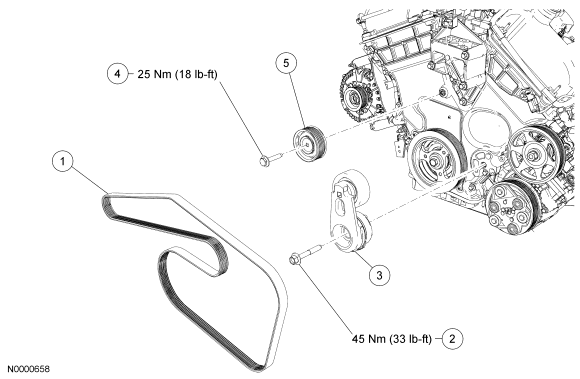
Alright, let's dive into the serpentine belt system on a 2005 Ford Escape. Understanding this setup is crucial for several reasons, whether you're tackling routine maintenance, troubleshooting a squealing noise, or even just wanting to familiarize yourself with your vehicle's engine layout. This isn't just about slapping on a new belt; it's about grasping the entire system and ensuring everything is running smoothly.
Purpose of the Serpentine Belt Diagram
The serpentine belt diagram for a 2005 Ford Escape acts as your roadmap to understanding how the engine accessories are driven. Its main purposes are:
- Repair and Replacement: If your belt snaps, frays, or shows signs of wear, the diagram is essential for routing the new belt correctly. Incorrect routing can lead to accessory failure and even engine damage.
- Troubleshooting: A squealing belt is a common issue. The diagram helps you identify the tensioner pulley and other components that might be contributing to the problem.
- Learning and Maintenance: Even if you're not actively working on the belt, understanding the diagram allows you to visually inspect the system, identify potential problems early, and perform preventative maintenance.
- Accessory Diagnosis: If an accessory like the power steering pump or alternator is malfunctioning, the diagram helps you understand its relationship to the belt drive system. This can aid in isolating the problem.
Key Specs and Main Parts of the 2005 Ford Escape Serpentine Belt System
The 2005 Ford Escape came with a few engine options, primarily the 2.3L Duratec I4 and the 3.0L Duratec V6. While the fundamental principles of the serpentine belt system remain the same, the specific belt routing differs significantly between these engines. Therefore, it’s absolutely crucial to use the correct diagram for *your* engine.
Here are the key components you'll find in the system:
- Crankshaft Pulley: This is the main driver. Attached to the crankshaft, it's the source of power for the entire system. Its rotation is what ultimately drives the serpentine belt.
- Serpentine Belt: The critical component. This is a single, continuous belt that snakes around all the accessories. It's typically made of a durable, reinforced rubber compound.
- Alternator: Generates electricity to power the vehicle's electrical system and charge the battery.
- Power Steering Pump: Provides hydraulic pressure to assist with steering.
- Air Conditioning Compressor: Compresses the refrigerant used for cooling the vehicle's cabin.
- Water Pump: Circulates coolant throughout the engine to regulate temperature.
- Tensioner Pulley: Maintains proper tension on the serpentine belt. This is often spring-loaded and allows for belt stretch and wear over time. A failure-prone part of the system.
- Idler Pulley(s): Smooth pulleys that guide the belt and provide optimal wrap around other pulleys. These don't drive any accessories; they just redirect the belt's path.
Belt Length: The belt length varies depending on the engine and whether or not the vehicle is equipped with air conditioning. Always use the correct part number specified for your vehicle. Consult a parts catalog or your owner's manual.
Understanding Serpentine Belt Diagram Symbols
The diagram uses a standardized set of symbols to represent the components and belt routing. Deciphering these symbols is key to correctly interpreting the diagram.
- Solid Lines: Represents the path of the serpentine belt itself. Follow the line to see how the belt is routed around each pulley.
- Circles: Indicate the pulleys. These can be labeled to show which accessory they belong to (e.g., ALT for alternator, P/S for power steering).
- Arrows: Show the direction of rotation of each pulley. Note that some pulleys will rotate clockwise, while others rotate counter-clockwise. This is important for understanding how the belt drives each component.
- Text Labels: Identify each component, such as "Alternator", "Crankshaft Pulley", "Tensioner", etc.
- Tensioner Symbol: The tensioner pulley is often represented with a special symbol indicating its spring-loaded nature. This might be a small arrow or a coil spring symbol.
While color coding isn't universally standardized on these diagrams, some diagrams might use different colors to highlight different sections of the belt run or to differentiate between the front and back sides of the belt.
How the Serpentine Belt System Works
The serpentine belt system is relatively straightforward in its operation. The crankshaft pulley, driven by the engine's rotation, transfers power to the serpentine belt. The belt, in turn, wraps around various accessory pulleys, causing them to rotate. This rotation drives the accessories, such as the alternator, power steering pump, and air conditioning compressor. The tensioner pulley is crucial because it maintains the correct amount of tension on the belt. Without proper tension, the belt can slip, leading to reduced accessory performance and potential damage.
The wrap angle around each pulley is also important. The diagram shows how much of the pulley's circumference the belt contacts. A greater wrap angle generally provides better grip and reduces slippage. Idler pulleys are strategically placed to increase the wrap angle on certain accessories.
Real-World Use and Basic Troubleshooting Tips
Here's how you can use the serpentine belt diagram in real-world scenarios:
- Belt Replacement: Before removing the old belt, carefully study the diagram and take a picture of the belt routing with your phone. This is invaluable when installing the new belt.
- Squealing Noise: A squealing belt is often caused by slippage due to low tension, a worn belt, or a misaligned pulley. Use the diagram to locate the tensioner pulley and check its condition. Also, inspect the belt for cracks, glazing, or missing chunks.
- Accessory Failure: If an accessory isn't working correctly, the diagram helps you verify that the belt is properly routed around that accessory's pulley. A broken belt or excessive slippage can prevent the accessory from functioning.
- Visual Inspection: Regularly inspect the belt and pulleys for signs of wear and tear. Look for cracks, fraying, glazing, or uneven wear on the belt. Check the pulleys for wobble or damage.
- Tensioner Inspection: Pay close attention to the tensioner pulley. It should move smoothly and freely without excessive play. A seized or weak tensioner can cause belt slippage and premature wear.
Safety Considerations
Working on the serpentine belt system can be hazardous if proper safety precautions aren't taken. Here are some key safety points:
- Disconnect the Battery: Always disconnect the negative battery cable before working on any electrical components, including the alternator.
- Hot Engine: Never work on the serpentine belt system when the engine is hot. Allow the engine to cool completely before starting any repairs.
- Moving Parts: Keep your hands, tools, and clothing away from the moving parts of the engine while it's running. The serpentine belt can cause serious injury if it catches on anything.
- Proper Tools: Use the correct tools for the job. A serpentine belt tool is essential for releasing the tension on the tensioner pulley.
- Eye Protection: Wear safety glasses to protect your eyes from debris.
- Belt Tension: Be extremely careful when releasing the tension on the tensioner pulley. The spring is under considerable pressure.
Also, be aware of the radiator fan. Some Escape models have engine-driven fans; others use electric fans. Either way, keep your hands clear of the fan blades, especially when the engine is running or has just been turned off (electric fans can cycle on even with the engine off!).
Finally, disposal of old serpentine belts should be done responsibly. Check with your local auto parts store or recycling center for proper disposal procedures.
We have a high-resolution version of the 2005 Ford Escape Serpentine Belt Diagram available for download. This will provide you with a clear and detailed reference when working on your vehicle. Contact us, and we will be more than happy to provide you with a copy.