
2005 Ford Focus Serpentine Belt Diagram
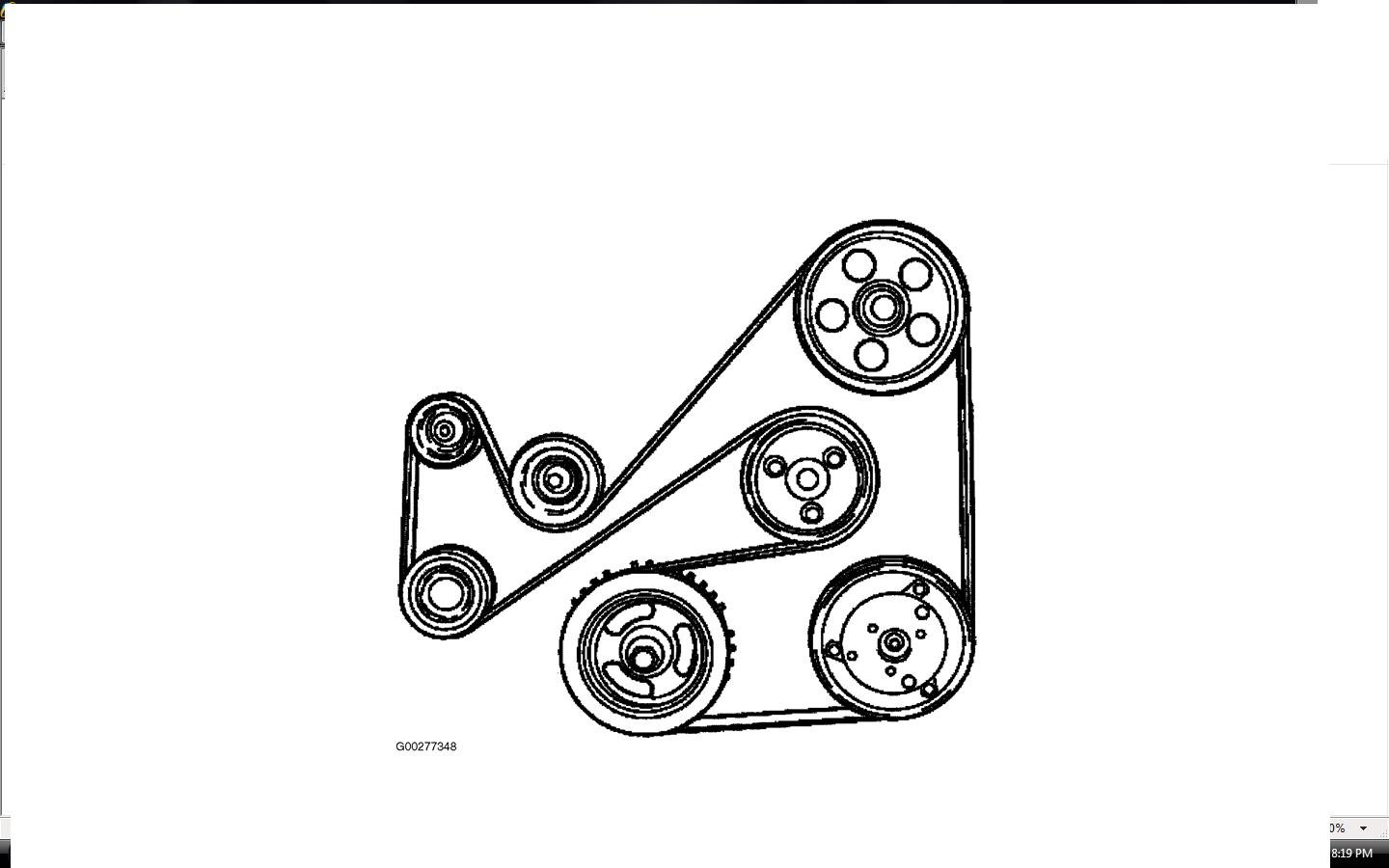
The serpentine belt in your 2005 Ford Focus is a critical component responsible for driving several essential engine accessories. A failure here can lead to a breakdown, so understanding its layout and function is crucial for any DIY mechanic or informed car owner. This article will delve into the 2005 Ford Focus serpentine belt diagram, covering its purpose, components, operational principles, troubleshooting, and safety considerations.
Purpose of the Serpentine Belt Diagram
The serpentine belt diagram is essentially a roadmap for the belt's path around the various pulleys in your engine. It serves several important purposes:
- Repair and Replacement: When replacing a worn or broken belt, the diagram ensures correct routing. Incorrect routing can cause accessories to malfunction or even damage the engine.
- Troubleshooting: If you're experiencing issues with your power steering, air conditioning, or charging system, the diagram helps you isolate the serpentine belt as a potential cause.
- Preventative Maintenance: Understanding the belt's path allows for easier inspection for wear, cracks, or other damage, enabling proactive maintenance.
- Learning and Understanding: Studying the diagram provides a deeper understanding of how your engine's accessories are driven and interconnected.
Consider it an essential reference material that can save you time, money, and potential headaches.
Key Specs and Main Parts
The 2005 Ford Focus typically uses a single serpentine belt to drive the following accessories, though specific layouts can vary slightly depending on engine type (2.0L Zetec, 2.0L Duratec, or 2.3L Duratec):
- Crankshaft Pulley (or Damper): This is the driving pulley, connected directly to the crankshaft. Its rotation powers the entire serpentine belt system.
- Alternator Pulley: The alternator generates electricity to charge the battery and power the car's electrical systems.
- Power Steering Pump Pulley: This drives the power steering pump, providing hydraulic assistance for steering.
- Air Conditioning Compressor Pulley: Powers the air conditioning compressor, responsible for cooling the cabin.
- Idler Pulley(s): These smooth, bearing-mounted pulleys guide the belt's path and maintain proper tension.
- Tensioner Pulley: This spring-loaded pulley automatically maintains the correct tension on the serpentine belt. Maintaining correct tension is crucial for proper accessory function and belt longevity.
Belt Length: The exact belt length will vary slightly depending on the engine and whether the vehicle has AC. Refer to your owner's manual or a reliable parts catalog for the correct part number and corresponding length specification for your particular 2005 Ford Focus.
Belt Material: Serpentine belts are typically made from a durable, reinforced rubber compound, designed to withstand high temperatures and constant flexing.
Understanding Symbols on the Diagram
Serpentine belt diagrams typically use standardized symbols to represent the components and belt routing. Here's a breakdown:
- Solid Lines: Indicate the path of the serpentine belt. The direction of the line follows the belt's travel.
- Pulleys: Represented by circles or stylized pulley shapes. The name of the component (e.g., ALT, P/S, A/C) is usually labeled next to the circle.
- Direction Arrows: Small arrows on the belt path indicate the direction of belt rotation around each pulley.
- Tensioner: Typically shown as a pulley with a spring symbol or a note indicating "TENSIONER."
- Idler Pulleys: Represented as smooth pulleys without any driven components attached.
Some diagrams might use different colors or line thicknesses to highlight specific sections of the belt path or indicate the driven components. Always refer to the diagram's legend for clarification.
How It Works
The serpentine belt system is a relatively simple but vital mechanical system. The crankshaft pulley, driven by the engine's rotation, powers the entire system. The belt wraps around each accessory pulley, transferring rotational force. The tensioner pulley plays a critical role by maintaining the proper amount of tension on the belt. This tension is what allows the belt to grip the pulleys effectively and prevent slippage. Without proper tension, the belt might slip, leading to reduced performance or complete failure of the driven accessories.
Consider this: If your alternator pulley isn’t turned properly, your battery will not charge. If the AC compressor isn’t turned, you will not have cold air.
Real-World Use and Basic Troubleshooting
Here are some common issues and how the diagram can help:
- Squealing Belt: A squealing belt is often a sign of slippage, typically caused by a worn belt, loose tensioner, or contaminated pulleys. The diagram allows you to inspect the belt's condition and the tensioner's operation. Also, check for any fluids (oil or coolant) that may have splashed onto the belt.
- Accessory Malfunction: If your power steering, A/C, or charging system isn't working correctly, the diagram helps you confirm that the belt is properly routed and that the relevant pulley is being driven. A broken or missing belt will be immediately apparent.
- Belt Replacement: When replacing the belt, carefully follow the diagram to ensure correct routing. Incorrect routing can damage the belt, pulleys, or even the engine. Before installing the new belt, inspect all pulleys for damage or wear. Replace any damaged pulleys to prevent premature belt failure.
Troubleshooting Tip: Before replacing the belt, try spraying a small amount of belt dressing on the belt's contact surfaces. If the squealing stops temporarily, it confirms belt slippage as the issue. However, belt dressing is a temporary fix and should not be considered a long-term solution. A belt should be replaced if showing sign of wear.
Safety Considerations
Working around the serpentine belt system can be dangerous if you're not careful. Always adhere to these safety precautions:
- Disconnect the Battery: Before working on any part of the engine, disconnect the negative battery cable to prevent accidental starting.
- Hot Engine: Never work on the serpentine belt system when the engine is hot. Allow the engine to cool completely before starting any repairs.
- Moving Parts: Be extremely cautious of moving parts when the engine is running. Keep your hands, tools, and clothing away from the serpentine belt and pulleys.
- Tensioner Tool: Use the correct tensioner tool to release the belt tension safely. Improper tool use can cause injury or damage to the tensioner.
- Eye Protection: Wear safety glasses to protect your eyes from debris.
Warning: The spring-loaded tensioner can release with considerable force. Always use the appropriate tool and follow the manufacturer's instructions carefully.
By understanding the serpentine belt diagram, its function, and implementing these safety precautions, you'll be well-equipped to handle serpentine belt maintenance and troubleshooting on your 2005 Ford Focus.
We have a downloadable version of the 2005 Ford Focus Serpentine Belt Diagram available. This file provides a visual reference for your convenience.