
2005 Ford Taurus Serpentine Belt Diagram
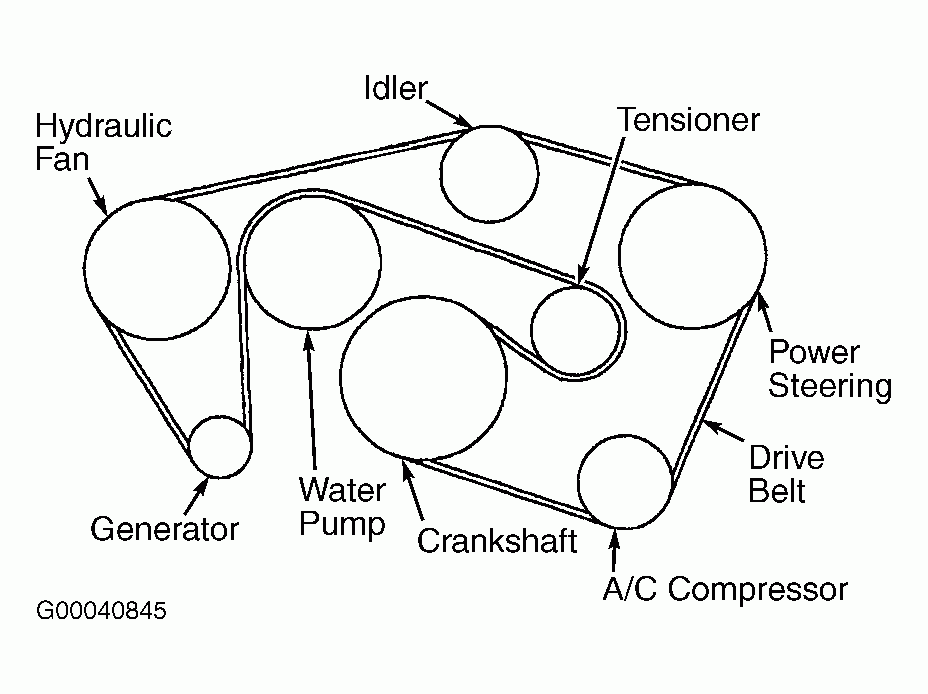
Alright, let's dive into the serpentine belt diagram for a 2005 Ford Taurus. Whether you're tackling a squealing belt, replacing a failing component, or just trying to better understand your car's engine, knowing how the serpentine belt system works and being able to read its diagram is crucial. We're going to break down the diagram, explain the components, and give you some practical tips to keep you running smoothly. Plus, we have the actual diagram available for download at the end.
Purpose of the Serpentine Belt Diagram
Why bother with a diagram? Well, it's more than just a pretty picture. The serpentine belt diagram serves several vital purposes:
- Repair and Replacement: When a belt breaks or needs replacing, the diagram shows you the exact routing, so you can install the new belt correctly. Incorrect routing can cause components to fail and even damage your engine.
- Troubleshooting: Identifying components in the belt path helps diagnose issues like squealing noises or lack of power steering.
- Component Identification: The diagram allows you to locate and identify each component driven by the belt, such as the alternator, power steering pump, AC compressor, and water pump.
- Understanding the System: For anyone wanting to learn more about how their engine works, the serpentine belt system is a great place to start.
Key Specs and Main Parts
The 2005 Ford Taurus, depending on the engine (3.0L Vulcan or 3.0L Duratec), will have a slightly different belt routing, but the core components remain the same. Let's look at the key players:
- Crankshaft Pulley (or Damper): Located at the bottom of the engine, this is the driving force behind the entire system. The crankshaft is connected to the pistons, and its rotation is what turns the belt.
- Alternator Pulley: The alternator generates electrical power for the car. The belt spins the alternator, causing it to produce electricity.
- Power Steering Pump Pulley: The power steering pump provides hydraulic pressure to assist steering. The belt spins this pump.
- AC Compressor Pulley: The AC compressor is responsible for cooling the car's interior. When you turn on the AC, the compressor engages and the belt spins it.
- Water Pump Pulley: The water pump circulates coolant throughout the engine to prevent overheating. A properly functioning water pump is absolutely critical to the life of your engine.
- Tensioner Pulley: This pulley maintains the correct tension on the serpentine belt. It's spring-loaded and automatically adjusts to compensate for belt stretch. A failing tensioner is a common cause of squealing belts.
- Idler Pulley(s): Some Taurus models might have one or more idler pulleys. These pulleys don't drive any components; they simply guide the belt along the correct path and provide additional wrap around other pulleys.
- Serpentine Belt: The heart of the system! This is a single, continuous belt that snakes around all the pulleys. Made from durable rubber, it's designed to withstand significant wear and tear, but it will eventually need replacing.
Symbols in the Diagram
Understanding the symbols in the serpentine belt diagram is crucial for correct interpretation. Here's a breakdown of common elements:
- Solid Lines: Represent the path of the serpentine belt itself. Follow these lines carefully when routing the belt.
- Dashed Lines: May indicate the "back" or smooth side of the belt contacting a pulley. This distinction is critical as the ribbed side of the belt needs to engage properly with the grooved pulleys.
- Arrows: Indicate the direction of rotation of each pulley. Note that some pulleys will rotate clockwise, while others rotate counter-clockwise.
- Component Labels: Each pulley will be labeled with an abbreviation or full name of the component it's connected to (e.g., ALT for Alternator, P/S for Power Steering, AC for Air Conditioning).
- Tensioner Indicator: The tensioner pulley is often marked with a special symbol or label indicating its function. It may also show the direction in which to apply force to relieve tension during belt installation or removal.
- Routing Direction Notes: Some diagrams include written notes about specific routing nuances or precautions. Pay close attention to these notes.
How It Works
The serpentine belt system is elegantly simple: the crankshaft turns, which spins the serpentine belt. The belt, in turn, drives all the accessory components connected to the engine. The tensioner ensures the belt remains taut, preventing slippage and ensuring efficient power transfer.
Think of it like this: the crankshaft is the engine's "main driver," and the serpentine belt is the highway connecting it to all the essential "destinations" (alternator, power steering, etc.). If the highway is blocked (broken belt) or poorly maintained (slipping belt), those destinations can't function correctly.
Real-World Use: Basic Troubleshooting
Here are a few common issues and how the serpentine belt diagram can help with troubleshooting:
- Squealing Noise: A squealing belt is often caused by slippage. Check the belt for cracks, glazing, or wear. Use the diagram to inspect the tensioner. If the tensioner is bouncing excessively or making noise, it may need replacement. Misalignment of pulleys can also cause squealing.
- Lack of Power Steering: If your power steering suddenly stops working, check the belt. If it's broken or slipping excessively, it may not be driving the power steering pump.
- Overheating: If the water pump isn't being driven due to a broken or slipping belt, the engine will overheat quickly. Pull over immediately to prevent serious engine damage.
- Charging Problems: If the alternator isn't being driven properly, your battery won't charge, and you'll experience electrical issues.
- Component Failure: If a driven component fails (e.g., alternator seizes), it can cause the belt to break or slip. Use the diagram to isolate and inspect the affected component.
Safety Considerations
Working on the serpentine belt system can be risky if you're not careful. Here are some key safety points:
- Disconnect the Battery: Always disconnect the negative battery terminal before working on any electrical components, including the alternator. This prevents accidental shocks.
- Hot Engine: Never work on the engine while it's hot. Allow it to cool down completely to avoid burns.
- Moving Parts: The serpentine belt system contains rapidly rotating parts. Keep your hands, clothing, and tools clear of the belt and pulleys while the engine is running. Even with the engine off, take care that the components can't shift unexpectedly.
- Tensioner Spring: The tensioner pulley is spring-loaded and can snap back forcefully if not handled correctly. Use the appropriate tool (usually a wrench or socket) to relieve the tension.
- Eye Protection: Wear safety glasses to protect your eyes from debris.
Having a clear, reliable diagram of the serpentine belt routing on your 2005 Ford Taurus is invaluable for DIY repairs and maintenance. We have the complete diagram file available for you to download. Click [link to download] to get your copy and keep it handy in your garage.