
2005 Honda Crv Serpentine Belt Diagram
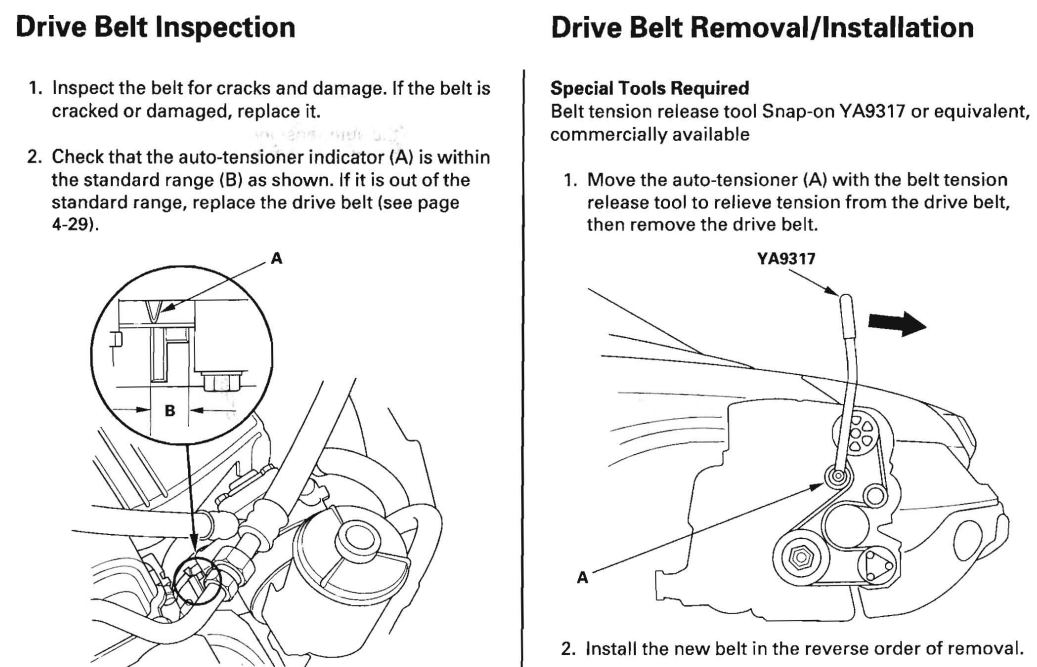
The serpentine belt in your 2005 Honda CRV is a critical component responsible for powering numerous engine accessories. Understanding its routing and condition is essential for preventative maintenance and timely repairs. This article provides a detailed overview of the 2005 Honda CRV serpentine belt diagram, equipping you with the knowledge to diagnose issues, replace the belt, and ensure your CRV runs smoothly. Knowing this is crucial not only for cost savings by doing repairs yourself, but also for a deeper understanding of your vehicle's operation.
Purpose of the Serpentine Belt Diagram
The serpentine belt diagram serves as a visual guide for routing the serpentine belt correctly. This is especially important because the belt snakes around multiple pulleys, each connected to a different accessory. Without the diagram, re-installing a belt after removal or confirming proper routing after maintenance becomes a guessing game, potentially leading to improper accessory function or, worse, belt damage and system failure.
Here are a few key reasons why understanding the serpentine belt diagram is important:
- Repairs: When replacing the serpentine belt, the diagram ensures proper routing to avoid malfunctions.
- Troubleshooting: The diagram aids in identifying potential issues by revealing how each accessory is connected to the belt system. A squealing belt might indicate a failing pulley on a specific accessory, identifiable via the diagram.
- Learning: Understanding the belt's path allows for a greater comprehension of how the engine accessories function and interact with each other.
- Maintenance: Regular inspection guided by the diagram can identify wear and tear on the belt or its components.
Key Specs and Main Parts
For the 2005 Honda CRV (2.4L K24A1 engine), the recommended serpentine belt length is approximately 81.5 inches (2070mm). However, it's crucial to confirm this with your specific vehicle's VIN or a reliable auto parts retailer, as minor variations can occur based on trim level or aftermarket modifications.
The main components involved in the serpentine belt system are:
- Crankshaft Pulley (Crank Pulley): The driving force of the system, connected directly to the engine's crankshaft.
- Alternator Pulley: Powers the vehicle's electrical system and charges the battery.
- Power Steering Pump Pulley: Provides hydraulic pressure for the power steering system.
- Air Conditioning (A/C) Compressor Pulley: Engages and disengages the A/C compressor to cool the cabin.
- Tensioner Pulley: Maintains proper belt tension, preventing slippage and premature wear. Often spring-loaded or manually adjustable.
- Idler Pulley(s): Smooth, bearing-equipped pulleys used to guide the belt around the engine and provide the necessary wrap angle on other pulleys.
Symbols and Diagram Conventions
Serpentine belt diagrams typically employ a standardized set of symbols and conventions. Understanding these will allow you to interpret the diagram effectively.
- Solid Lines: Represent the belt itself, indicating the path it takes around the various pulleys.
- Arrows: Show the direction of belt travel. These are crucial for ensuring the belt is routed correctly.
- Circles: Represent pulleys. Some circles may be labeled with abbreviations (e.g., ALT for Alternator, P/S for Power Steering) to identify their function.
- Text Labels: Provide additional information, such as the component name or torque specifications for the tensioner pulley.
- Dashed Lines: In some diagrams, dashed lines might indicate the belt path on the backside of a pulley. This is important for understanding the belt's overall orientation.
- Tensioner Indicator: Indicates the position and type of tensioner. Pay attention to the marks if it's an automatic tensioner for verifying correct tension.
How It Works
The serpentine belt system operates on a simple principle: the crankshaft pulley, driven by the engine, transfers rotational force to the other accessories via the belt. As the crankshaft rotates, the belt turns the pulleys on the alternator, power steering pump, A/C compressor, and any idler pulleys. The tensioner pulley maintains adequate tension on the belt, ensuring sufficient friction between the belt and pulleys to prevent slippage.
The proper routing of the belt is critical. Each accessory relies on a specific amount of wrap angle – the amount of contact the belt has with the pulley – to receive adequate power. Incorrect routing reduces the wrap angle, leading to slippage, reduced performance of the accessory, and potential damage to the belt.
Real-World Use and Basic Troubleshooting
The most common scenario for using the serpentine belt diagram is during belt replacement. Here are some troubleshooting tips for common serpentine belt issues:
- Squealing Noise: A squealing noise, especially when the engine is first started or when accessories are under heavy load (e.g., turning the steering wheel at low speeds with the A/C on), often indicates a loose or worn belt. Check the tensioner and the belt's condition.
- Cracked or Frayed Belt: Inspect the belt regularly for cracks, fraying, or missing chunks. These are signs of wear and necessitate replacement. A visual inspection, referencing the diagram for correct routing, is a great place to start.
- Accessory Malfunction: If an accessory stops working (e.g., the power steering becomes difficult, or the A/C stops blowing cold air), check the belt routing to ensure it's properly engaged with that accessory's pulley. Also, ensure the belt isn't slipping on that pulley.
- Visible Belt Dust: Excessive belt dust around the pulleys can indicate a misaligned pulley or excessive belt wear.
When troubleshooting, always carefully observe the behavior of the belt and each pulley. The diagram will help you isolate the problem area. For instance, if the squealing only happens when the A/C is on, the A/C compressor pulley or its clutch is a likely suspect.
Safety Considerations
Working on the serpentine belt system involves risks. Here are crucial safety precautions to follow:
- Disconnect the Battery: Before working on the belt, disconnect the negative terminal of the battery to prevent accidental starting of the engine.
- Hot Engine: Never work on the serpentine belt system when the engine is hot. Allow the engine to cool completely to avoid burns.
- Moving Parts: Keep your hands and clothing clear of the belt and pulleys when the engine is running. The rotating components can cause serious injury.
- Tensioner Spring: Be extremely careful when releasing the tensioner. The spring is under considerable force and can cause injury if released improperly. Use the correct tools and techniques for releasing the tension.
- Eye Protection: Always wear safety glasses to protect your eyes from debris.
The tensioner itself is a risky component. Incorrectly handling the tensioner can lead to snapped bolts or a dangerous release of the spring. Familiarize yourself with the specific type of tensioner on your 2005 CRV before attempting any repairs.
Replacing the serpentine belt on a 2005 Honda CRV is a straightforward task with the right information. By understanding the diagram, following safety precautions, and using the correct tools, you can save money and gain valuable experience in maintaining your vehicle.
We have a detailed diagram available for download. This diagram provides a clear visual representation of the serpentine belt routing for your 2005 Honda CRV. (Download Link Placeholder - Replace with actual link to diagram file).