
2005 Toyota Highlander Serpentine Belt Diagram
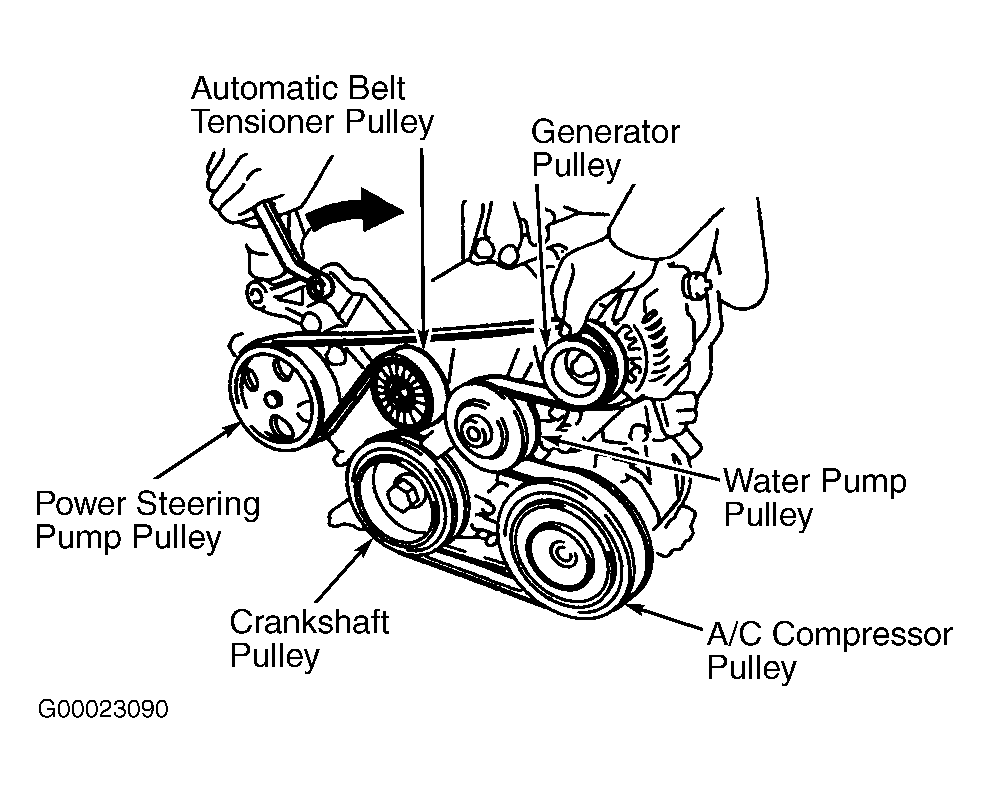
The serpentine belt in your 2005 Toyota Highlander is a critical component responsible for powering several essential systems. It's the unsung hero that keeps your alternator charging the battery, your power steering pump assisting in turning the wheel, your air conditioning compressor blowing cool air, and, in some cases, your water pump circulating coolant to prevent overheating. Understanding its layout and operation is vital for both routine maintenance and troubleshooting potential problems. This article provides a detailed look at the 2005 Toyota Highlander serpentine belt diagram, equipping you with the knowledge to tackle belt replacements, diagnose issues, and ensure your Highlander runs smoothly.
Purpose of Understanding the Serpentine Belt Diagram
Why bother with a serpentine belt diagram? Well, several reasons:
- DIY Repairs: If you're a hands-on person who prefers tackling car repairs yourself, the diagram is indispensable for correctly routing a new belt. Incorrect routing can lead to component failure, damage to the belt, and even engine problems.
- Troubleshooting: Squealing noises from the engine bay are often a sign of a worn or improperly tensioned serpentine belt. The diagram helps you identify potential problem areas and check component alignment.
- Preventative Maintenance: Regularly inspecting the belt and its components, guided by the diagram, can help you catch problems early before they escalate into costly repairs.
- General Knowledge: Even if you don't plan on performing repairs yourself, understanding how the system works gives you a better appreciation for your vehicle and allows you to communicate more effectively with your mechanic.
Key Specs and Main Parts
The 2005 Toyota Highlander (both 4-cylinder and V6 models) uses a single serpentine belt to drive multiple accessories. While the layout is similar, the belt lengths and specific component positions can vary slightly between engine types. Always verify the diagram specific to your engine configuration.
Here are the key components typically driven by the serpentine belt:
- Crankshaft Pulley: This pulley is directly connected to the engine's crankshaft and provides the driving force for the entire system. It's the first pulley the belt wraps around.
- Alternator Pulley: The alternator converts mechanical energy from the engine into electrical energy to charge the battery and power the vehicle's electrical system.
- Power Steering Pump Pulley: This pump provides hydraulic pressure to assist in steering the vehicle.
- Air Conditioning Compressor Pulley: The compressor circulates refrigerant throughout the AC system, providing cooling.
- Water Pump Pulley (V6 models, and potentially some 4-cylinder depending on options): This pump circulates coolant through the engine to regulate temperature.
- Tensioner Pulley: The tensioner maintains the correct tension on the serpentine belt, preventing slippage and ensuring optimal performance of all driven components. It uses a spring-loaded mechanism.
- Idler Pulley: Some models may have one or more idler pulleys to guide the belt along its path and ensure proper wrap around other pulleys.
Belt Specifications: The exact belt length varies depending on the engine and whether the vehicle is equipped with AC. Your local auto parts store can quickly identify the correct belt based on your vehicle's year, make, model, and engine type.
Symbols in the Serpentine Belt Diagram
Serpentine belt diagrams often use a standardized set of symbols to represent different components and their connections. Understanding these symbols is key to interpreting the diagram correctly.
- Solid Lines: These lines represent the serpentine belt itself, showing its path around the various pulleys. The thickness of the line doesn't usually indicate anything significant.
- Circles: Circles represent the pulleys of the various components driven by the belt. The specific component each circle represents is usually labeled.
- Arrows: Arrows indicate the direction of rotation of each pulley. This is important for ensuring the belt is routed correctly. Pay close attention to which side of the belt (grooved or smooth) makes contact with each pulley.
- Text Labels: Each pulley will typically have a text label indicating what component it belongs to (e.g., "ALT" for alternator, "P/S" for power steering).
- Tensioner Symbol: The tensioner pulley is often depicted with a spring symbol to indicate its spring-loaded action. This shows the direction the tensioner arm pivots to loosen/tighten the belt.
How It Works
The serpentine belt system is elegantly simple. The engine's crankshaft turns the crankshaft pulley. This rotating pulley transfers power to the serpentine belt. The belt, in turn, wraps around the pulleys of the various accessory components (alternator, power steering pump, AC compressor, water pump) causing them to rotate. Each rotating accessory then performs its designated function. The tensioner pulley maintains the correct tension on the belt, ensuring optimal grip and preventing slippage. Without proper tension, the belt will slip, causing reduced performance from the driven accessories.
Think of it like a series of gears linked together by a rubber band (the belt). If the rubber band is too loose, the gears won't turn properly. The tensioner acts as the key element to make sure the "rubber band" has proper grip.
Real-World Use: Basic Troubleshooting Tips
Here are some common issues you might encounter with your 2005 Toyota Highlander's serpentine belt and how the diagram can help:
- Squealing Noise: This is the most common symptom of a slipping serpentine belt. Use the diagram to inspect the belt for cracks, wear, or glazing. Also, check the tensioner pulley for proper operation. If the tensioner arm is bouncing excessively, the tensioner itself may be failing.
- Battery Light On: If the alternator isn't being driven properly due to a slipping belt, the battery may not charge correctly, resulting in the battery light illuminating on the dashboard. Use the diagram to verify the belt is properly routed around the alternator pulley and that the tension is adequate.
- Loss of Power Steering: A slipping belt can prevent the power steering pump from operating effectively, resulting in stiff steering, particularly at low speeds. Again, verify the belt is properly routed and tensioned.
- Overheating: In some cases, a slipping belt can prevent the water pump from circulating coolant effectively, leading to overheating. The diagram will confirm if the water pump is belt-driven in your Highlander configuration.
- Belt Breaks: A broken belt is a serious issue, immediately stopping all driven accessories from working. Consult the diagram for the correct belt routing when installing a new one.
Safety
Working on the serpentine belt system can be dangerous if proper precautions are not taken:
- Disconnect the Battery: Before working on any part of the serpentine belt system, disconnect the negative battery terminal to prevent accidental electrical shock or component damage.
- Hot Engine: Never work on the serpentine belt system while the engine is hot. Allow the engine to cool completely before starting any repairs.
- Moving Parts: Keep your hands and clothing away from the serpentine belt and pulleys while the engine is running. Serious injury can result.
- Eye Protection: Wear safety glasses to protect your eyes from debris.
- Tensioner Spring: Be extremely careful when releasing the tension on the serpentine belt tensioner. The spring-loaded mechanism can be under significant tension. Use the correct tool (typically a wrench or socket on the tensioner arm) and follow the manufacturer's instructions to safely release the tension.
Remember, if you're not comfortable working on the serpentine belt system yourself, it's always best to consult a qualified mechanic.
We have a downloadable PDF diagram available. This resource provides a visual aid to complement this guide, ensuring you have all the necessary information for a successful serpentine belt job.