
2006 Chrysler 300c Serpentine Belt Diagram
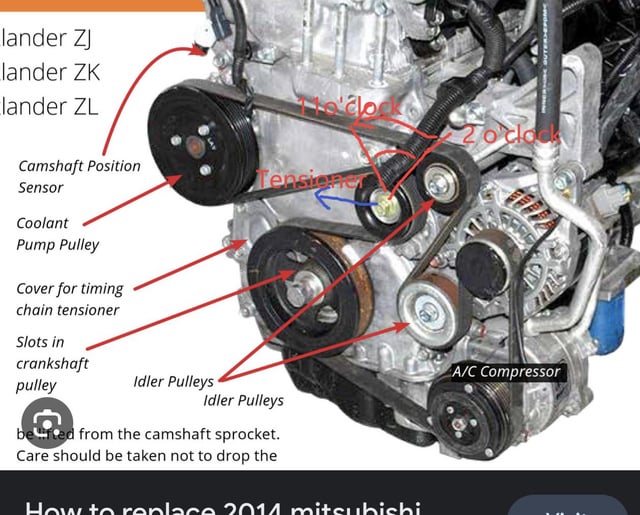
So, you're diving into the engine bay of your 2006 Chrysler 300c, huh? Excellent! Understanding the serpentine belt system is crucial for maintaining your car's accessories and preventing a roadside headache. This article will break down the serpentine belt diagram for your 300c, specifically, helping you understand its components, how it functions, and how to troubleshoot common issues. We're going to cover everything from the diagram's purpose to real-world troubleshooting, so you can confidently tackle this maintenance task.
Why Bother with the Serpentine Belt Diagram?
Why is a serpentine belt diagram so important? Simple: it's your roadmap to the accessory drive system. It serves several critical purposes:
- Repairs and Replacement: The diagram shows the exact routing of the serpentine belt around all the pulleys. When replacing a worn or broken belt, you must follow the correct routing to ensure proper function. Incorrect routing can lead to accessories not working or premature belt failure.
- Troubleshooting: If your power steering suddenly quits, or your air conditioning blows warm air, the serpentine belt is a prime suspect. The diagram helps you quickly identify which accessory is affected and whether the belt is the culprit.
- Understanding the System: Even if you're not planning any immediate repairs, understanding how the serpentine belt system works gives you a better grasp of your car's overall mechanical operation.
- Preventive Maintenance: A visual inspection using the diagram can reveal potential problems like misaligned pulleys or unusual wear patterns on the belt.
Key Specs and Main Parts of the 2006 Chrysler 300c Serpentine Belt System
Before we dive into the diagram itself, let's identify the major components in the serpentine belt system of your 2006 Chrysler 300c. Remember, specifics can vary slightly depending on the engine (2.7L, 3.5L, 5.7L HEMI, or 6.1L SRT8), but the core components remain the same:
- Serpentine Belt: This is the long, continuous belt that drives all the accessories. It's typically made of a durable rubber compound.
- Crankshaft Pulley (or Damper): Located at the bottom of the engine, this pulley is driven directly by the engine's crankshaft. It's the starting point for the serpentine belt's rotation.
- Alternator Pulley: The alternator generates electrical power for your car. Its pulley is driven by the serpentine belt.
- Power Steering Pump Pulley: This pulley drives the power steering pump, which provides hydraulic assistance for steering.
- Air Conditioning Compressor Pulley: The A/C compressor cools the refrigerant in your air conditioning system. Its pulley is driven by the serpentine belt.
- Idler Pulley(s): These are smooth, bearing-mounted pulleys that guide the serpentine belt and maintain proper tension. They don't drive any accessories.
- Tensioner Pulley: This spring-loaded pulley maintains the correct tension on the serpentine belt. It's critical for preventing slippage and ensuring proper accessory function. The tensioner typically has a square hole or bolt head that you can use to relieve the tension when installing or removing the belt.
- Water Pump Pulley: This pulley drives the water pump, which circulates coolant through the engine to prevent overheating.
The specific layout of these components will be illustrated in the serpentine belt diagram.
Decoding the Serpentine Belt Diagram: Symbols and Conventions
Serpentine belt diagrams aren't complex, but understanding the symbols used can save you time and prevent confusion.
- Solid Lines: These represent the serpentine belt itself. The thickness of the line may vary slightly but generally indicates the belt's path.
- Pulleys: These are depicted as circles. The center of the circle indicates the pulley's axis of rotation.
- Accessory Labels: Each pulley will be labeled with an abbreviation or name indicating the accessory it drives. For example:
- ALT: Alternator
- P/S: Power Steering Pump
- A/C: Air Conditioning Compressor
- CRANK: Crankshaft
- IDLER: Idler Pulley
- TENSIONER: Tensioner Pulley
- W/P: Water Pump
- Arrows: These indicate the direction of belt rotation around each pulley. Pay close attention to these arrows, as they're crucial for correct belt routing.
- Smooth vs. Grooved Pulleys: The diagram may distinguish between smooth idler pulleys and grooved pulleys that engage with the ribs on the serpentine belt.
While color isn't typically used on these diagrams, some aftermarket guides might use color coding to highlight different sections of the belt path. The key is to refer to the diagram's legend or key to understand the meaning of any colored lines.
How the Serpentine Belt System Works
The serpentine belt system is a relatively simple but ingenious design. The engine's crankshaft rotates, which in turn drives the crankshaft pulley. The serpentine belt wraps around this pulley and transfers the rotational force to all the other accessory pulleys. The tensioner pulley ensures that the belt remains tight against all the pulleys, preventing slippage. This system efficiently powers all the necessary accessories that keep your 300c running smoothly.
Real-World Use: Troubleshooting with the Diagram
Let's say you're experiencing a specific problem: Your power steering isn't working. Here's how you can use the serpentine belt diagram to troubleshoot:
- Consult the Diagram: Locate the power steering pump pulley on the diagram.
- Visual Inspection: With the engine off, visually inspect the serpentine belt's path leading to the power steering pulley. Look for:
- Belt Condition: Is the belt cracked, frayed, or glazed? A damaged belt can slip and fail to drive the power steering pump effectively.
- Proper Routing: Is the belt correctly routed around the power steering pulley? If it's off track, the pulley won't turn.
- Pulley Condition: Check the pulley itself. Is it bent, damaged, or seized? A seized pulley will prevent the belt from turning.
- Tension: Check the tension of the serpentine belt. A loose belt will slip and won't properly drive the power steering pump. The tensioner should be within its operating range, usually indicated by marks on the tensioner body.
If the belt is in poor condition, replace it. If the pulley is seized, replace the pulley and the associated accessory (in this case, the power steering pump). If the tension is incorrect, check the tensioner for proper function; it may need to be replaced.
Safety First! Identifying Risky Components
Working on a serpentine belt system involves inherent risks. Remember these safety precautions:
- Engine Off: Always work on the serpentine belt system with the engine off and the key removed from the ignition.
- Cool Engine: Allow the engine to cool down completely before working on the system. Exhaust manifolds and other components can get extremely hot.
- Battery Disconnect: Disconnect the negative battery cable to prevent accidental electrical shocks or damage to the electrical system.
- Moving Parts: Keep your hands, hair, and clothing clear of the serpentine belt and pulleys when the engine is running. A spinning belt can cause serious injury.
- Spring Tension: The tensioner pulley is under spring tension. Use the correct tool to relieve the tension when removing or installing the belt, and be prepared for the tensioner to snap back when released.
Specific components carry extra risk:
- Crankshaft Pulley: Avoid touching or working near the crankshaft pulley when the engine is running. It spins at high speed and can cause severe injuries.
- Tensioner Pulley: As mentioned, the spring tension can be dangerous if not handled correctly.
By following these safety precautions, you can minimize the risk of injury and work safely on your 2006 Chrysler 300c's serpentine belt system.
You now have a solid understanding of your 2006 Chrysler 300c's serpentine belt system and how to use the diagram for maintenance and troubleshooting. Remember to always prioritize safety and consult a qualified mechanic if you're unsure about any aspect of the repair.
We have the serpentine belt diagram file available for download. You can use it as a handy reference while working on your 300c.