
2006 Dodge Ram 1500 Serpentine Belt Diagram
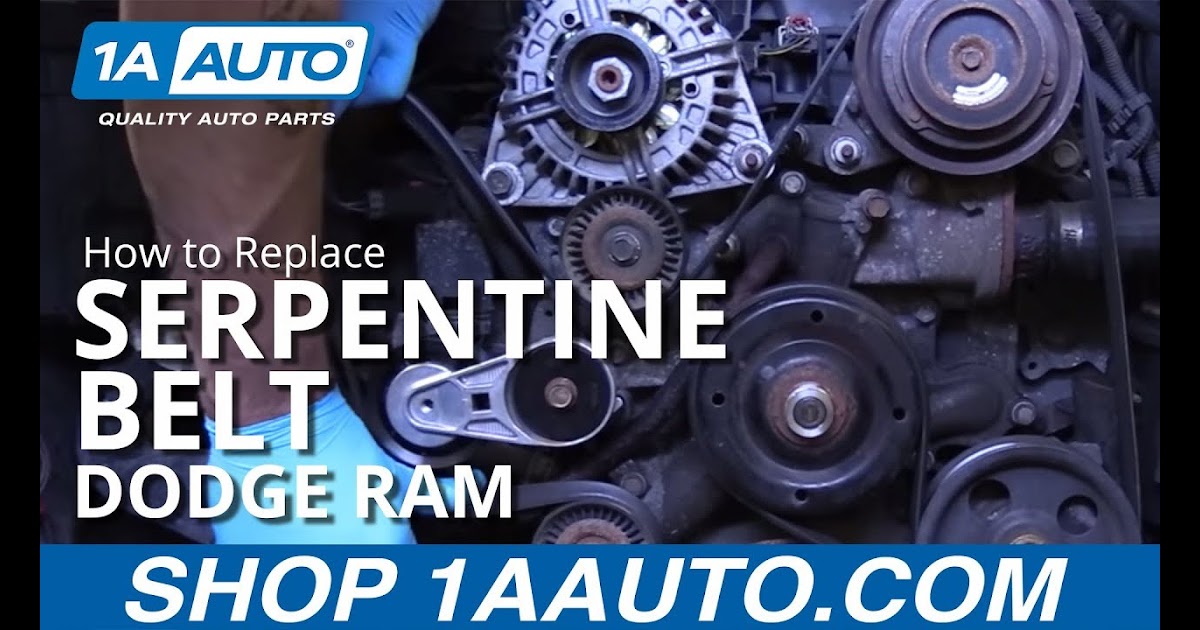
Hey there, fellow wrench-turners! Today, we're diving into the serpentine belt system on the 2006 Dodge Ram 1500. A good understanding of this system is critical for proper maintenance and repairs, and this guide and the downloadable diagram will be your best friends. Whether you're replacing a worn belt, chasing down a squeal, or simply wanting to learn more about your truck's engine, having a solid understanding of the serpentine belt layout is invaluable.
Why Bother With the Serpentine Belt Diagram?
Simply put, the serpentine belt is the unsung hero powering many of your vehicle's essential systems. The serpentine belt diagram is crucial because:
- Repairs and Maintenance: Knowing the belt path allows you to confidently replace a worn or broken belt.
- Troubleshooting: Diagnosing issues like squealing or lack of power steering becomes much easier when you understand how the belt interacts with each component.
- Preventative Maintenance: By visually inspecting the belt and pulleys, you can identify potential problems before they lead to costly breakdowns.
- Learning Your Engine: Understanding the belt routing gives you a better overall comprehension of how the various accessories on your engine are driven.
Key Specs and Main Parts of the 2006 Dodge Ram 1500 Serpentine Belt System
The 2006 Dodge Ram 1500, depending on the engine (3.7L V6, 4.7L V8, or 5.7L HEMI V8), has slightly different serpentine belt layouts, but the principle remains the same. Here are the main components:
- Serpentine Belt: This is the heart of the system - a single, long belt responsible for driving multiple accessories. It's made of a durable, ribbed material. The specific belt length and rib configuration will vary based on your engine.
- Crankshaft Pulley (Harmonic Balancer): Bolted to the crankshaft, this pulley is directly driven by the engine and provides the initial rotational force to the serpentine belt. The harmonic balancer also dampens torsional vibrations from the engine.
- Alternator Pulley: The alternator generates electrical power for the vehicle. The serpentine belt spins the alternator pulley to make this happen.
- Power Steering Pump Pulley: The power steering pump provides hydraulic pressure to assist with steering. The serpentine belt drives this pump.
- Air Conditioning (A/C) Compressor Pulley: The A/C compressor circulates refrigerant to cool the cabin. It is only active when the AC system is switched on, but the pulley always spins freely.
- Idler Pulley(s): These pulleys have no direct function other than to guide and tension the belt, ensuring proper wrap around other pulleys. They typically have smooth surfaces.
- Tensioner Pulley: This spring-loaded pulley automatically maintains the correct tension on the serpentine belt. It's critical for proper belt operation and preventing slippage. It has a mechanism to release tension for belt removal and installation.
- Water Pump Pulley: The water pump circulates coolant through the engine to prevent overheating. The serpentine belt drives this pump.
Decoding the Serpentine Belt Diagram: Symbols and Conventions
Understanding the diagram's symbols is essential for using it effectively. Here's a breakdown:
- Solid Lines: Represent the path of the outer surface of the serpentine belt. Following these lines shows how the belt wraps around each pulley.
- Dashed Lines: These usually aren't present but if they are, might indicate the path of the belt on the inside of the pulley, or hidden routing, which is uncommon in serpentine setups.
- Arrows: Indicate the direction of rotation of each pulley. Pay attention to these to ensure you're routing the belt correctly.
- Abbreviations: You'll see abbreviations like "ALT" for alternator, "P/S" for power steering, "A/C" for air conditioning, "CRANK" for crankshaft, "TENS" for tensioner, "IDLER" for Idler pulley and "W/P" for water pump.
- Pulley Size: The diagram *may* indicate relative pulley sizes, helping you visually differentiate between components.
How It Works: The Serpentine Belt System in Action
The serpentine belt system is elegantly simple. The crankshaft pulley, powered by the engine, initiates the movement. The serpentine belt, wrapped around all the other pulleys, transfers this rotational force to the alternator, power steering pump, A/C compressor, water pump, and any idler pulleys that may be in the system. The tensioner pulley keeps the belt taut, ensuring adequate grip on each pulley to prevent slippage. If the belt slips, components won't operate at the correct speed, leading to issues like dim headlights, poor power steering, or overheating. Correct belt tension is essential.
Real-World Use: Basic Serpentine Belt Troubleshooting
Here are a few common issues and how your serpentine belt diagram can help:
- Squealing Noise: A squealing noise, especially on startup or when the engine is under load, often indicates a slipping serpentine belt. Check the belt for cracks, glazing (a shiny appearance), or wear. Also, inspect the tensioner pulley. If the tensioner is weak, the belt may not be held tight enough. Using the diagram, you can easily identify the tensioner and inspect its movement. A bad bearing in an accessory can also cause a squeal.
- Lack of Power Steering: If your power steering suddenly stops working, the serpentine belt may have broken or slipped off the power steering pump pulley. The diagram will show you the belt's routing around the power steering pump pulley, allowing you to quickly determine if this is the issue.
- Overheating: If the water pump isn't being driven properly due to a slipping or broken serpentine belt, the engine can overheat. Use the diagram to verify the belt is correctly routed and tensioned around the water pump pulley.
- Dim Headlights or Charging Issues: The alternator is driven by the serpentine belt. A slipping belt can prevent the alternator from generating enough power, leading to dim headlights or a dead battery. The diagram confirms the alternator's position in the belt's path.
Safety First! Handling Risky Components
Working around a running engine can be dangerous. Here are some crucial safety precautions:
- Never work on the serpentine belt system with the engine running unless absolutely necessary for diagnostic purposes (and only with extreme caution). A spinning belt can cause serious injury.
- Disconnect the negative battery cable before starting any work on the serpentine belt system. This prevents accidental starting of the engine.
- Be extremely careful when working near the cooling fan. Even with the engine off, the fan can sometimes spin freely or unexpectedly if bumped.
- Avoid wearing loose clothing or jewelry that could get caught in the belt or pulleys.
- Use the correct tools for the job. Avoid using makeshift tools that could slip and cause injury.
- The tensioner pulley is under spring pressure. When releasing the tension, be prepared for the movement and keep your hands clear.
Keep in mind that components like the crankshaft pulley (harmonic balancer) are precision-balanced and can be damaged if improperly handled. If you're unsure about any aspect of the repair, it's always best to consult a qualified mechanic.
With a clear understanding of the serpentine belt diagram and these safety precautions, you'll be well-equipped to tackle most serpentine belt-related issues on your 2006 Dodge Ram 1500.
We have the full high-resolution serpentine belt diagram ready for you. You can download it HERE to have it handy during your repair or maintenance work.