
2006 Dodge Ram 2500 Serpentine Belt Diagram
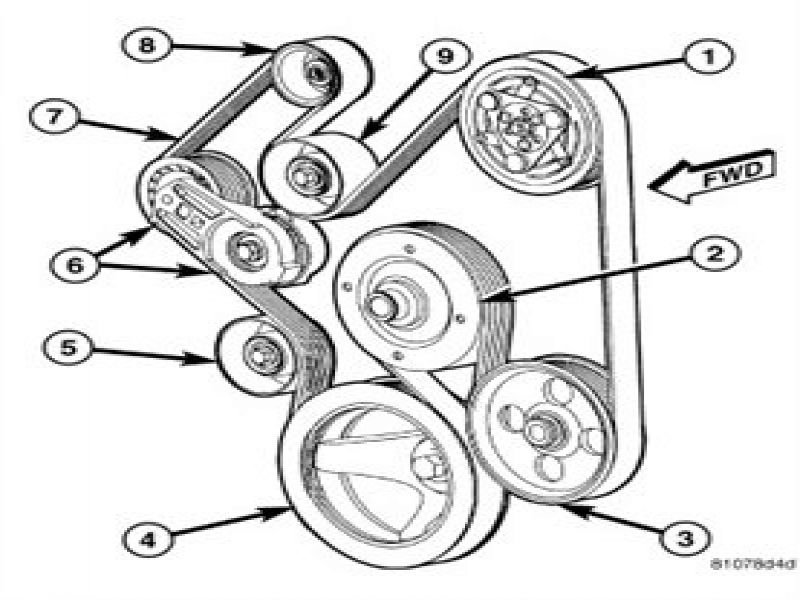
Let's dive into the serpentine belt system of the 2006 Dodge Ram 2500. This article will provide a comprehensive understanding of the serpentine belt diagram, equipping you with the knowledge to perform maintenance, troubleshoot issues, and even tackle some repairs yourself. Consider this your go-to guide for understanding this crucial engine component.
Why This Diagram Matters
The serpentine belt diagram is more than just a pretty picture; it's a roadmap for your engine's accessory drive system. It's essential for several reasons:
- Maintenance and Replacement: Knowing the belt's routing is crucial when replacing a worn or damaged belt. Incorrect routing can lead to component failure and even engine damage.
- Troubleshooting: A slipping or broken belt can cause various problems, from a non-functional power steering to an overheated engine. The diagram helps you quickly identify potential issues and their sources.
- Learning Engine Mechanics: Understanding the serpentine belt system provides valuable insights into the operation of various engine accessories and their interdependencies.
- Modifications and Upgrades: If you're considering adding an aftermarket accessory, like a high-output alternator, the diagram can help you determine if the existing belt and tensioner can handle the increased load.
Key Specs and Main Parts
The 2006 Dodge Ram 2500 came with several engine options, and each has a slightly different serpentine belt routing. The most common engines and key components of their respective systems are:
5.9L Cummins Diesel
This engine utilizes a robust serpentine belt system to drive several essential components:
- Crankshaft Pulley (Harmonic Balancer): The driving force of the entire system. This pulley is attached to the crankshaft and transfers rotational energy to the belt.
- Water Pump Pulley: Responsible for circulating coolant throughout the engine. A failing water pump can lead to overheating, making this a critical component.
- Alternator Pulley: Generates electrical power to charge the battery and run the vehicle's electrical systems.
- Power Steering Pump Pulley: Provides hydraulic pressure for power-assisted steering.
- Air Conditioning Compressor Pulley: Compresses refrigerant for the air conditioning system.
- Idler Pulley(s): Smooth, bearing-mounted pulleys that guide the belt and maintain optimal tension. They often support long spans of the belt, minimizing vibration and extending belt life.
- Tensioner Pulley: A spring-loaded pulley that automatically adjusts to maintain proper belt tension. A faulty tensioner can lead to belt slippage, noise, and premature wear.
5.7L Hemi V8
The Hemi engine utilizes a slightly different accessory layout compared to the Cummins:
- Crankshaft Pulley (Harmonic Balancer): Similar function to the Cummins.
- Water Pump Pulley: Coolant circulation.
- Alternator Pulley: Electrical power generation.
- Power Steering Pump Pulley: Power steering assistance.
- Air Conditioning Compressor Pulley: Refrigerant compression.
- Idler Pulley(s): Belt guidance and support.
- Tensioner Pulley: Automatic belt tension adjustment.
Key Specs: Belt length varies depending on the engine and whether the vehicle is equipped with options like air conditioning. It's crucial to use the correct belt length specified for your specific Ram 2500 model. Using the wrong belt can lead to improper tension and component damage. The belt is typically a multi-ribbed belt made of a durable rubber compound. The tensioner maintains a specific tension, usually around 70-100 ft-lbs, depending on the manufacturer's specifications.
Understanding the Serpentine Belt Diagram Symbols
The serpentine belt diagram isn't just a random assortment of lines and circles. It uses a standardized set of symbols to represent different components and their relationship within the system. Here's a breakdown of common symbols:
- Solid Lines: Represent the main path of the serpentine belt. The direction of the line indicates the belt's movement.
- Dotted or Dashed Lines: May indicate the back side of the belt where it isn't in direct contact with a pulley.
- Circles: Represent pulleys. The size of the circle doesn't necessarily indicate the actual size of the pulley, but rather its relative position within the diagram.
- Icons: Small icons or abbreviations are often used to label each pulley, such as "ALT" for alternator, "P/S" for power steering, "A/C" for air conditioning compressor, "WP" for water pump, "CRK" for crankshaft, and "TEN" for tensioner.
- Arrows: Indicate the direction of pulley rotation. This is helpful for visualizing how each component is driven by the belt.
- Rough Surfaces: Indicate the grooved surface of a pulley that makes direct contact with the grooved surface of the serpentine belt.
- Smooth Surfaces: Indicate the smooth back side of the serpentine belt.
How It Works: The Serpentine Belt System
The serpentine belt system is elegantly simple in its function. The crankshaft pulley, driven by the engine's rotation, transfers power to the serpentine belt. The belt, in turn, wraps around various accessory pulleys, causing them to rotate. The accessories, such as the alternator, power steering pump, and air conditioning compressor, perform their respective functions by being driven by the rotating pulleys.
The tensioner pulley plays a vital role in maintaining the correct belt tension. As the belt stretches over time, or as the engine's load changes, the tensioner automatically adjusts its position to keep the belt snug. Proper tension is crucial for preventing belt slippage, which can reduce the efficiency of the accessories and lead to premature belt wear.
The idler pulleys merely guide the belt along its path. The routing of the belt is carefully designed to ensure that each accessory receives adequate power and that the belt doesn't interfere with any other engine components.
Real-World Use: Basic Troubleshooting Tips
Here are some common problems you might encounter with your Ram 2500's serpentine belt system and how the diagram can help you diagnose them:
- Squealing Noise: A squealing noise is often a sign of belt slippage. Check the belt tensioner for proper operation. Is it moving freely? Is the spring tension adequate? Also inspect the belt itself for signs of wear, cracking, or glazing. The diagram helps you identify the pulleys that the belt is slipping on.
- Broken Belt: A broken belt will immediately disable several accessories. Examine the belt for signs of wear, such as fraying or cracking. Also check the pulleys for any damage or misalignment that might have caused the belt to break. Using the diagram will help you see the routing path the broken belt was traveling along, and you can inspect each pully for wear, preventing future breaks.
- Accessory Malfunction: If a specific accessory, like the alternator or power steering pump, isn't working, first verify that the serpentine belt is intact and properly routed. Then, check the belt tension. If the belt is slipping, it might not be providing enough power to the accessory.
- Visual Inspection: Regularly inspect the serpentine belt for signs of wear. Look for cracks, fraying, glazing, or missing chunks. If you see any of these, replace the belt immediately. The diagram helps you locate the entire belt, ensuring you inspect its full length.
Safety First!
Working on the serpentine belt system can be dangerous, especially when the engine is running. Keep these safety precautions in mind:
- Disconnect the Battery: Always disconnect the negative battery terminal before working on any electrical components, including the alternator.
- Keep Hands and Clothing Clear: Never put your hands or clothing near the serpentine belt while the engine is running. The belt can quickly pull you in and cause serious injury.
- Hot Surfaces: Be aware that engine components, such as the exhaust manifold and catalytic converter, can be extremely hot. Allow the engine to cool down completely before working on the serpentine belt system.
- The Radiator Fan: The radiator fan can switch on at any time, even with the engine off (especially on diesel models). Be extremely careful around the fan and avoid placing your hands or tools near it.
- Tensioner Spring: The serpentine belt tensioner is spring loaded and can snap back with considerable force. Use the correct tools and techniques to release the tensioner safely.
We have a detailed serpentine belt diagram available for download, tailored specifically for the 2006 Dodge Ram 2500 with both the 5.9L Cummins and 5.7L Hemi engines. This diagram will provide a visual aid for understanding the belt routing and component locations, making your maintenance and repair tasks easier and safer.